

As the seasons change, so too do the rhythms of nature that have governed our planet for millennia. Yet, in recent years, these rhythms appear to be faltering, and the disruptions are increasingly evident. The looming specter of global warming intensifies the tumultuous interplay between atmospheric conditions, ocean currents, and ecological systems, bringing about a cascade of alterations that reverberate throughout the biosphere. To comprehend these profound shifts, one must scrutinize how global warming intricately distorts the predictable cadence of storms and seasons.
Historically, the planet’s climate has operated within a delicate balance, dictated by the interplay of solar radiation, oceanic processes, and terrestrial ecosystems. However, anthropogenic activities—primarily the combustion of fossil fuels—have irrevocably altered this equilibrium. The resultant increase in greenhouse gas concentrations in the atmosphere has amplified the greenhouse effect, leading to a significant rise in average global temperatures. This fundamental change possesses far-reaching consequences that manifest as increasingly erratic weather patterns, shifting seasons, and intensified storm systems.
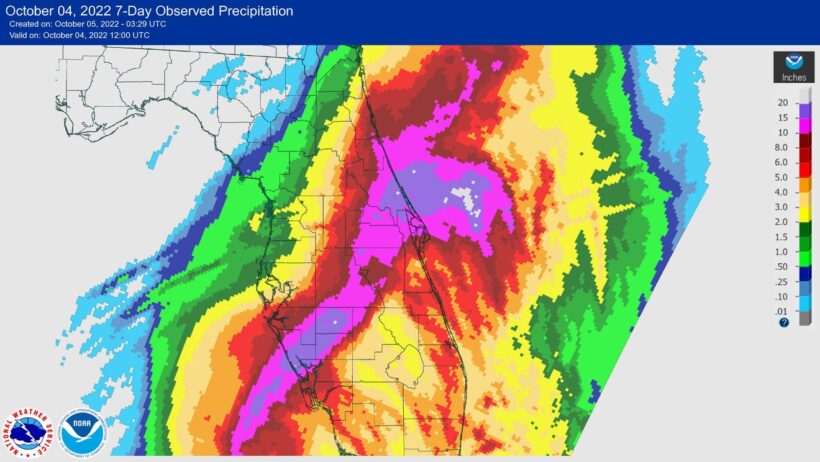
One of the most conspicuous aspects of global warming is its impact on storm intensity. Warmer ocean temperatures serve as a catalyst for more powerful hurricanes and tropical storms. When the surface of the sea heats up, it provides more energy to storms, leading to increased wind speeds and rainfall. For instance, events like Hurricane Harvey in 2017 brought unprecedented rainfall to Texas, resulting in catastrophic flooding. Such extreme weather events are not mere anomalies; they are harbingers of a new normal, as climate models predict an uptick in the frequency and severity of tropical cyclones. The phenomenon is not confined to tropical regions; it engenders repercussions that ripple across the globe, affecting millions who reside far from the storm’s point of origin.
Moreover, the consequences of global warming extend beyond storms. Changes in precipitation patterns can disrupt seasonal cycles that dictate agricultural patterns, flora and fauna behaviors, and even the migration routes of wildlife. Regions that once relied on predictable rainfall now find themselves grappling with protracted droughts or deluges, compelling farmers to adapt their practices in unprecedented ways. These alterations challenge food security and threaten livelihoods, intensifying the socio-economic ramifications of climate change.
As precipitation patterns shift, the very essence of seasons appears to be evolving. Spring is arriving earlier in many regions, while winters are becoming milder and shorter. Species long adapted to specific seasonal cues are finding themselves out of sync. For example, migratory birds that have evolved to travel based on the timing of seasonal changes may arrive at their breeding grounds too early, only to find diminished food supplies if flora has yet to bloom. Such discrepancies can trigger cascading effects throughout ecosystems, disrupting predator-prey relationships and threatening biodiversity.
The impact on ecosystems is not confined to individual species. Invasive species, often more resilient to temperature changes, can thrive in warmer conditions, outcompeting native species and leading to a decline in biodiversity. Coral reefs, described as the “rainforests of the sea,” endure immense stress due to rising sea temperatures and ocean acidification, resulting in widespread coral bleaching. Such systemic changes challenge the integrity of entire ecosystems, emphasizing the interconnectedness of species and the environments they inhabit.
In the quest to understand these shifts, researchers are utilizing advanced climate models to project future scenarios. These simulations illustrate a grim reality: if current trends persist, global temperatures could rise by several degrees Celsius by the end of the century, pushing natural systems to their breaking points. The ramifications are profound—not just for the natural world, but also for human civilization, which depends on these ecosystems for sustenance, clean water, and economic stability.
What fuels this fascination with the evolving climatic landscape? Perhaps it is the intrinsic connection between humanity and nature. Observing the delicate balance of ecosystems often ignites a sense of wonder, a recognition that we are inextricably linked to the health of our planet. The disruptions caused by global warming compel a critical reassessment of our relationship with the environment. As stewards of the Earth, our actions—or inactions—carry monumental weight. The adaptive capacity of species and ecosystems provides glimmers of hope; however, these adaptations may fall short in the face of accelerating climate change.
Moreover, addressing the consequences of global warming is not solely an environmental issue but encompasses a myriad of societal, economic, and ethical considerations. Policymakers and communities are tasked with navigating the complexities of climate change adaptation and mitigation, striving to implement strategies that safeguard livelihoods while fostering sustainable practices. Public discourse must center on actionable approaches, from transitioning to renewable energy sources to implementing robust conservation measures, to enhance both ecological resilience and community welfare.
The phenomenon of global warming and its effects on storms and seasons serves as a clarion call for action. We must acknowledge our role in exacerbating these changes and take concerted steps to reverse this trajectory. Enhanced awareness, informed policy, and communal engagement are fundamental to forging a sustainable path forward. In this intricate dance between humanity and nature, the rhythms of life must not be drowned out by the cacophony of climate disruption. It is imperative to rekindle our connection with the natural world, for the future of our planet and all its inhabitants hangs in the balance.