



Geothermal energy, derived from the Earth’s internal heat, offers a profound and often underappreciated solution to the pressing issue of global warming. As the planet grapples with increasing temperatures and severe climatic disruptions, there is an imperative need to explore renewable energy sources that can mitigate the adverse effects of anthropogenic climate change. The concept of harnessing geothermal energy is not merely a scientific curiosity; it represents a tangible and scalable option for reducing our reliance on fossil fuels, thereby facilitating a transition to a more sustainable future.
This phenomenon begs the question: could the heat emanating from within the Earth ultimately cool our planet? The allure of geothermal energy lies in its consistency and capacity for baseload power generation. Unlike solar and wind energy, which are contingent upon climatic conditions, geothermal energy provides a reliable source of power, contributing significantly to energy security. By tapping into the Earth’s geothermal reservoirs, we can provide substantial amounts of electricity and heat, which are critical to reducing greenhouse gas emissions associated with conventional energy sources.
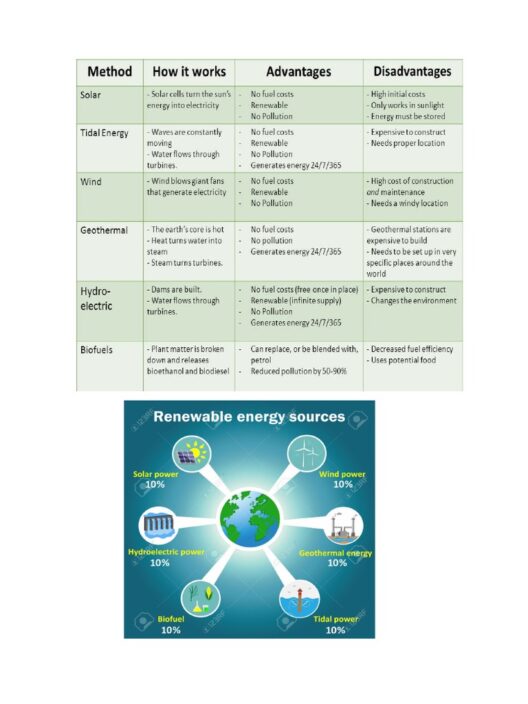
The Earth’s core is estimated to be as hot as 9,000 degrees Fahrenheit, and this heat radiates outward, providing a constant energy source that can be utilized for various applications. There are three primary types of geothermal systems: geothermal power plants, direct-use applications, and geothermal heat pumps. Each of these harnesses the Earth’s heat in unique ways, offering flexibility to address various energy needs.
Geothermal power plants operate by converting hydrothermal fluids (hot water or steam) from underground reservoirs into electricity. These plants, strategically located near tectonic plate boundaries—such as the Pacific Ring of Fire—can generate electricity with significantly lower carbon emissions compared to fossil fuel power plants. For instance, countries like Iceland, the Philippines, and New Zealand have successfully integrated geothermal energy into their national grids, resulting in substantial reductions in carbon footprints.
In addition to electricity generation, direct-use applications of geothermal energy showcase its versatility. This encompasses the utilization of hot spring water for bathing, space heating, and agricultural applications, such as greenhouse heating. These direct applications offer an immediate and practical benefit, enhancing the quality of life while concurrently reducing the carbon emissions associated with traditional heating methods. Such practices can be instrumental in rural areas, where the availability of geothermal resources can stimulate local economies and promote sustainable agricultural practices.
Geothermal heat pumps, on the other hand, utilize the relatively stable temperatures found in the shallow ground to provide heating and cooling for residential and commercial buildings. These systems are increasingly recognized as one of the most efficient options for climate control. They operate by transferring heat between the building and the Earth, significantly lowering energy consumption compared to conventional HVAC systems. The implementation of geothermal heat pumps can lead to substantial energy savings and reduced reliance on fossil fuels, contributing to the broader goal of greenhouse gas reduction.
Despite its vast potential, several barriers to the widespread adoption of geothermal energy persist. One of the most significant challenges is the upfront capital required for geothermal exploration and infrastructure development. The drilling and resource assessment can be financially intensive and risky, deterring investment. Furthermore, not all geographical regions possess accessible geothermal resources, thereby limiting the applicability of this technology in certain areas. However, advancements in drilling technology and enhanced geothermal systems (EGS) are promising, as they could expand geothermal resources to regions previously deemed unviable for geothermal energy production.
Public perception and regulatory frameworks also play crucial roles in shaping the future of geothermal energy. In many countries, there is a lack of awareness regarding the benefits of geothermal energy and how it could contribute to climate change mitigation. Education and outreach initiatives are essential to demystifying geothermal energy and fostering societal acceptance. Additionally, supportive policies and incentives from governments can encourage investment and facilitate research and development in the geothermal sector.
The potential for geothermal energy to cool our planet is not solely reliant on technology; it also encompasses a broader vision of sustainable energy integration. By coupling geothermal systems with other renewable energy sources, such as wind and solar, we can create a robust and resilient energy ecosystem. This integrated approach not only bolsters energy security but also addresses variability in energy generation, making the grid more stable and less dependent on fossil fuels.
As we confront the daunting challenges posed by global warming, the promise of geothermal energy shines brightly. This ancient source of energy, once relegated to the sidelines, is now at the forefront of discussions about renewable energy transition. Harnessing geothermal energy can significantly reduce our carbon footprint, promote energy independence, and stimulate local economies. The exploration of geothermal resources presents a dual opportunity: to innovate in energy technology and to heal our planet.
In conclusion, the question of whether Earth’s heat can cool our planet is not merely hypothetical. Harnessing geothermal energy embodies a pragmatic strategy to address global warming while providing sustainable energy solutions to meet the world’s growing demands. Empowering societies through the development and adoption of geothermal energy systems can catalyze a transition to a cleaner, greener future. The time to act is now; the Earth’s heat may just hold the key to our climate resilience.