
Germany, a nation renowned for its rich cultural heritage and industrious populace, experiences a climate that is as varied as its vibrant history. The four distinct seasons—spring, summer, autumn, and winter—not only shape the topography of this European gem but also influence its ecological footprint, agricultural practices, and even the lifestyle of its inhabitants. By delving into the idiosyncrasies of Germany’s climate, one discovers a tableau where each season reveals a layer of complexity and beauty that deserves attention.
Spring: A Flourishing Awakening
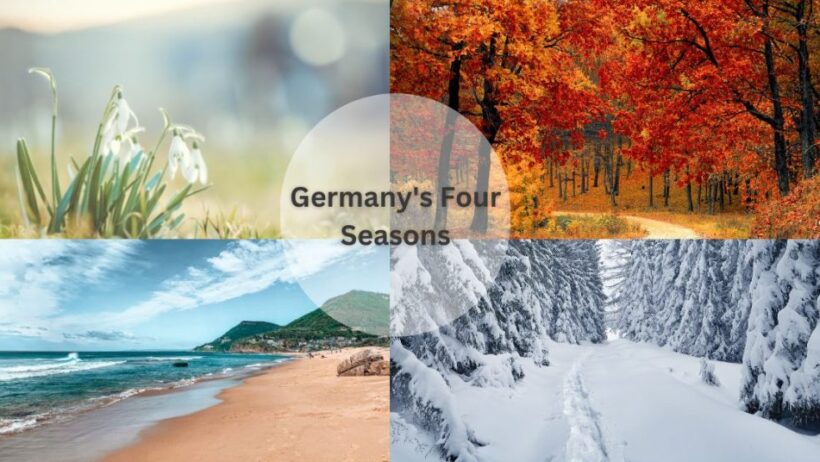
Emerging from the grasp of winter, spring in Germany is nothing short of a renaissance. From March to May, nature embarks on a spectacular rebirth, as flora and fauna awaken from their dormancy. Temperatures begin to rise, often oscillating between 10°C and 20°C (50°F to 68°F), creating a dynamic environment ripe for growth. Gardens burst forth with tulips, daffodils, and cherry blossoms, inspiring a symphony of colors that accentuate the landscape.
The allure of spring is not merely visual. It is a sensory experience, marked by the melodious chirping of birds returning from their winter retreats and the fragrant scent of blooming wildflowers. It is during this time that many Germans engage in ‘Frühjahrsputz’ or spring cleaning, a tradition underscoring the Germanic sense of order and cleanliness. However, this seasonal transition is not just a charming anecdote; it has broader implications for biodiversity. Early blooms provide essential nourishment for pollinators, creating an interconnected web of life that bolsters the health of ecosystems.
Summer: A Vibrant Flourish
As June arrives, summer casts its golden embrace upon Germany, typically lasting until August. Temperatures sail smoothly north of 20°C (68°F), sometimes soaring beyond 30°C (86°F). The long days and expansive sunshine provide opportunities for outdoor festivities, from beer gardens bustling with laughter to music festivals that vibrate with energy. The resurgence of outdoor life epitomizes the German ethos, wherein communal spaces are cherished, and nature is celebrated.
Yet, this vibrant season brings with it a double-edged sword. The increasing heat and prolonged dry spells signal an urgent call to address climate change. With heatwaves becoming more frequent, the implications for agriculture are profound. Farmers confront challenges regarding water scarcity, crop yield, and the viability of traditional farming methods. In this transformative summer climate, innovation must emerge, pushing agricultural practices towards sustainability. This urgency can foster a sense of responsibility, prompting the populace to cultivate eco-friendly habits—perhaps the most significant shift in perspective prompted by seasonal transitions.
Autumn: A Season of Reflection
As summer bids adieu, autumn beckons with its own brand of enchantment. From September to November, the foliage undergoes a mesmerizing transformation, where vibrant hues of red, orange, and gold paint the landscape. The crisp air signals a time of harvest; pumpkins, apples, and grapes are abundant, culminating in festivals that celebrate the bounties of the land. This season invites introspection, drawing individuals closer to nature and to one another through communal gatherings, making it a time to reflect on the interconnectedness of humanity and the earth.
However, beneath the beauty lies an urgent message concerning sustainable practices. The changing climate disrupts traditional seasonal rhythms, demanding a reevaluation of agricultural cycles and their attendant impacts on food security. The push for regenerative farming, combined with a return to local agriculture, highlights the necessity for an informed populace that prioritizes ecological health over convenience. Autumn, with all its charm, serves as a poignant reminder that the decisions we make today will echo into the future.
Winter: A Time of Dormancy and Resilience
As the final act of the seasonal cycle, winter envelops Germany from December to February, cloaking the landscape in serene silence. Temperatures often plummet below zero, transforming the countryside into a winter wonderland. While many revel in the joys of snow-laden festivities, winter also invokes a period of dormancy—a critical time for the environment and its inhabitants. The cold may deter outdoor activities, yet it compels individuals to seek warmth and connection indoors, often fostering community bonds through shared traditions.
Nevertheless, winter carries with it the stark reminder of climate change’s unmistakable imprint. With increasingly mild winters, ecosystems face significant disruption. Species that have thrived in cold climates grapple with altered habitats, while the implications for snow-dependent tourism become a pressing concern. In this sense, winter is not just a seasonal pause but a clarion call for action—an urging to innovate and adapt in the face of undeniable climatic shifts.
Conclusion: Embracing the Complexity of Seasons
Germany’s climate reveals a mosaic of diversity and complexity that mirrors the nation itself. Each season, with its unique charm and challenges, offers profound insights into the human relationship with nature. By fostering an understanding of these natural rhythms, one gains a fresh perspective on issues encompassing environmental sustainability and climate responsibility. The promise of climate change whispers in the winds of every season, compelling individuals to re-evaluate their relationship with the planet. A shift in perspective can cultivate curiosity, driving action toward a sustainable future. Acknowledging the intrinsic value of Germany’s four seasons propels a critical discourse—one that intertwines appreciation with responsibility.