


The planet is experiencing unprecedented changes that many scientists argue could lead to mass extinction. The notion of mass extinction, once a relic of Earth’s deep history, is now an immediate concern in the grand tapestry of the Anthropocene. As human activities alter climatic conditions, the delicate balance of ecosystems is poised to unravel. This unfolding crisis compels a closer examination of our role and necessitates bold introspection on the consequences of our actions.
Mass extinction, defined as the rapid loss of a significant percentage of species within a relatively short geological timeframe, has historically been catalyzed by catastrophic events. Today, however, the planet faces a crisis largely orchestrated by one species: humanity. Climate change, habitat destruction, pollution, overexploitation, and invasive species are converging to create a perfect storm that threatens the very fabric of life on Earth.
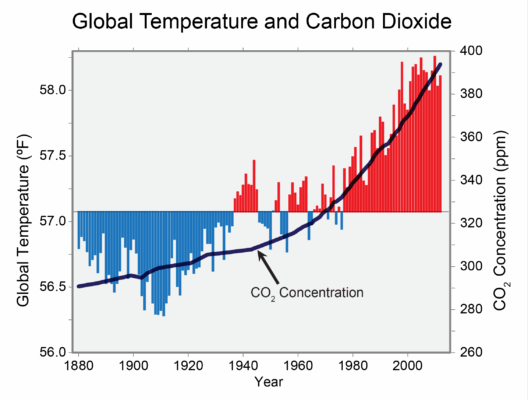
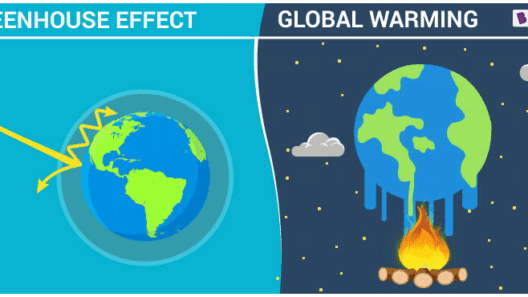
At the core of this dilemma lies global warming, an insidious consequence of rampant fossil fuel consumption. The increased concentration of greenhouse gases in the atmosphere is not merely a statistic; it is the very force that drives temperature anomalies, extreme weather events, and shifting precipitation patterns. By significantly increasing Earth’s average temperature, we disrupt ecosystems in ways previously thought unimaginable.
Consider the oceans: they absorb approximately 30% of the carbon dioxide emitted by human activities. This absorption leads to ocean acidification, detrimental to marine life and landscape alike. Coral reefs, dubbed the ‘rainforests of the sea,’ are witnessing unprecedented bleaching events. The symbiotic relationship between coral and the algae that provide them with sustenance is breaking down, leading to staggering declines in biodiversity. Marine species, many of which are vital to global food webs, are tumbling toward extinction.
Moreover, terrestrial ecosystems are similarly beleaguered. The expanding reach of industrial agriculture and urban development encroaches on habitats, fragmenting wildlife corridors and isolating populations. Species such as the northern white rhinoceros teeter on the brink of extinction, underscoring a broader plight experienced by countless organisms. These disruptions erode genetic diversity; without adequate gene pools, resilient populations to withstand environmental fluctuations are compromised.
Yet, it’s not too late to pivot toward a more sustainable trajectory. The urgency of climate action has begun to permeate global discourse, with international efforts such as the Paris Agreement aiming to mitigate temperature rise and curate cooperative adaptation strategies. However, these promises often falter under the weight of political inertia and economic challenges. Transitioning from fossil fuels to renewable energy sources remains a daunting yet vital mission. The viability of solar, wind, and hydropower is increasingly evident, providing a beacon of hope amidst a prevailing crisis.
Furthermore, a concerted effort in reforestation and afforestation initiatives can catalyze changes in carbon sequestration. Trees act as carbon sinks, absorbing CO2 and releasing oxygen, fostering healthier ecosystems along the way. Policies promoting sustainable forestry practices can protect biodiversity while contributing to carbon neutrality. The interconnectedness of these actions reveals the potential for synergistic benefits—environmental restoration, climate mitigation, and enhanced community resilience.
In parallel, protecting our oceans through marine conservation efforts must become a priority. Marine protected areas (MPAs) serve as sanctuaries for marine life, allowing ecosystems to recuperate from stressors. These interventions not only benefit local fisheries by replenishing stocks but also combat climate change through increased carbon storage in healthy marine ecosystems.
Integrating conservation and climate change strategies creates a holistic approach that acknowledges the relationship between human welfare and environmental health. This paradigm shift compels societies to re-evaluate consumption patterns, advocating for sustainable practices that work in harmony with nature rather than at its expense. The war against climate change cannot be fought in isolation; it is a multifaceted struggle requiring a tapestry of solutions woven together.
Public awareness and advocacy play pivotal roles in driving systemic change. Grassroot movements amplify the voices of the marginalized, often those disproportionately affected by environmental degradation. Educating communities about the implications of climate inaction instills a sense of agency, inspiring collective action and bolstering efforts to hold governments accountable. Every small victory in local activism contributes to the larger tapestry of global movements—a necessary reminder that change often begins at the grassroots level.
The trajectory of human existence hinges on our response to this imminent crisis. Are we willing to innovate, to adapt, and to embrace an ethos of sustainability? As ecosystems continue to unravel, replete with their unique histories and interdependencies, we must reckon with our accountability. The ramifications of inaction stretch far beyond species loss; they encompass existential threats that could disproportionately affect marginalized populations, exacerbate global inequalities, and precipitate conflicts over dwindling resources.
The race toward mass extinction is not an inevitable fate; it is a poignant call to action. This is a pivotal moment in Earth’s history where humanity can redefine its relationship with nature. In confronting the realities of climate change, there lies an opportunity to cultivate a resilient planet teeming with diversity. The question remains: will we rise to the occasion or watch as our planetary home teeters on the brink of irrevocable loss?