
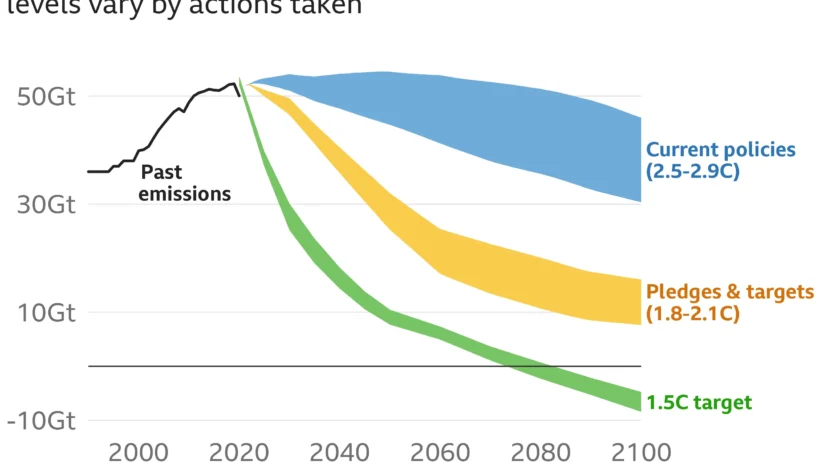

Global warming and the greenhouse effect are two interconnected phenomena that have significant implications for our planet’s climate system. They share similarities in their foundations and consequences, but they also present surprising nuances upon closer examination. This discourse delves into the essence of both concepts, illuminating their characteristics, mechanics, and the overarching impact they have on global environmental stability.
To commence our exploration, it is essential to delineate what is meant by global warming. At its core, global warming refers to the long-term increase in Earth’s average surface temperature due to human activities, predominantly the emission of greenhouse gases (GHGs). These gases trap heat in the atmosphere, thereby resulting in a gradual escalation of temperatures over time. The most prevalent greenhouse gases include carbon dioxide (CO2), methane (CH4), and nitrous oxide (N2O), each with distinct sources and lifespans that contribute differently to warming.
Conversely, the greenhouse effect is the natural process by which greenhouse gases absorb and re-radiate infrared radiation emitted from the Earth’s surface. Without this phenomenon, Earth would be inhospitable, with average temperatures plummeting well below freezing. The greenhouse effect is primarily driven by solar radiation; when sunlight reaches the Earth, some of it is reflected back into space while a significant portion is absorbed, warming the surface. This absorbed heat is then emitted as infrared radiation, which greenhouse gases capture, insulating the planet.
While both global warming and the greenhouse effect pivot around the role of greenhouse gases, they differ considerably in their implications. The greenhouse effect is essential for maintaining life, acting as a natural thermal blanket for our planet. Without it, temperatures would remain too low for most ecosystems to thrive. Meanwhile, global warming, exacerbated by anthropogenic influences, represents a destabilization of this natural process, leading to adverse consequences such as extreme weather events, rising sea levels, and ecosystem disruptions.
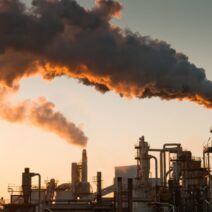
One noteworthy similarity between the two phenomena is their reliance on the composition of the atmosphere. Both global warming and the functioning of the greenhouse effect are influenced by the concentration of greenhouse gases in the atmosphere. When human activities, such as fossil fuel combustion, deforestation, and industrial processes, increase the levels of GHGs, they enhance the greenhouse effect, leading to accelerated warming trends. This positive feedback mechanism creates a precarious cycle: increased temperatures can lead to further greenhouse gas emissions, for instance, through the thawing of permafrost which releases methane, a potent greenhouse gas.
However, the relationship between global warming and the greenhouse effect isn’t simply linear; it encompasses various complexities that can yield surprising outcomes. One of the revelations in climate science is the concept of tipping points—critical thresholds at which a slight change could trigger dramatic shifts in the climate system. For example, the melting of polar ice caps not only contributes directly to sea level rise but also diminishes the Earth’s albedo effect—a measure of surface reflectivity—resulting in further warming. As darker ocean water absorbs more sunlight compared to reflective ice, a feedback loop is accentuated, amplifying the initial warming.
Moreover, different gases have distinct global warming potentials (GWPs), which can lead to varying impacts despite similar concentrations. Methane, while present in smaller quantities than CO2, has a GWP that is approximately 25 times greater over a 100-year period, posing significant risks even at lower concentrations. This raises a pivotal point about mitigation strategies aimed at reducing global warming; the focus on CO2 alone can obscure effective measures that could be adopted to curb other potent GHGs.
Climatic consequences attributable to global warming are not confined to increases in temperature. They manifest in a plethora of changes within climate systems. Alterations in precipitation patterns, for example, have been observed globally, contributing to food and water scarcity in certain regions while provoking flooding in others. Such discrepancies highlight the multifaceted nature of climate disruption, which is compounded by socio-economic factors that exacerbate vulnerability in less resilient communities.
Interestingly, while the greenhouse effect is often portrayed in a negative light due to its association with global warming, it is important to recognize its necessity for life on Earth. The challenge lies in striking a balance; understanding the fine line between maintaining a stable climate and the accelerated warming caused by excessive anthropogenic emissions is crucial. This warrants collective action on a global scale to transition to sustainable practices that mitigate greenhouse gas emissions while preserving the ecological integrity of our planet.
As awareness grows regarding the intricacies of global warming and the greenhouse effect, it becomes evident that informed action must remain at the forefront of our responses. From adopting renewable energy technologies to enhancing energy efficiency and fostering sustainable agriculture, multifarious strategies can contribute to lessening the impacts of climate change. Public engagement and education also play a pivotal role in galvanizing communities toward pro-environmental behaviors, creating a ripple effect that can influence policymakers and industry leaders alike.
In conclusion, global warming and the greenhouse effect are intimately connected, each influencing the other within a complex web that shapes the climate and environment. The similarities between the two highlight critical aspects of atmospheric science while the surprises unraveling from their interplay indicate that addressing climate change necessitates a holistic approach. As we navigate these challenges, recognizing our role in either exacerbating or alleviating these phenomena is essential for the future wellbeing of our planet.