

Imagine standing on the edge of a vast, glimmering ocean, feeling the warm breeze on your face while contemplating a question: What does the future hold for our planet? As we traverse the complexities of global warming, one must ponder the interconnectedness of our actions and their repercussions. The Global Warming Concept Map presents a diverse tapestry of information, illustrating the myriad components that contribute to this pressing issue. This exploration serves to elucidate the intricate relationships between cause, effect, and solutions regarding climate change.
The concept map serves as a visual representation of the myriad factors contributing to global warming. At its core, it captures key elements such as greenhouse gases, deforestation, industrial emissions, and their cumulative impact on the Earth’s climate. Each element within the map acts like a cog in a massive machine, where the malfunction of one part can affect the entire system. In this regard, understanding the relationships between these components is essential for fostering effective strategies to combat climate change.
Central to the discussion of global warming is the increase of greenhouse gases in the atmosphere. These gases, including carbon dioxide (CO2), methane (CH4), and nitrous oxide (N2O), act like a thermal blanket. They trap heat from the sun, causing average global temperatures to escalate. This begs the question: How do human activities contribute to these emissions? The answer lies in a complex interplay between transportation, agriculture, industry, and energy production.
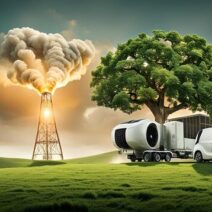
Transportation, particularly through fossil fuel combustion, is a significant contributor to carbon emissions. With millions of vehicles traversing roadways daily, the cacophony of combustion generates a substantial ecological footprint. Similarly, industrial processes, often demanding high energy inputs, exacerbate the release of greenhouse gases. The energy production sector, heavily reliant on coal, oil, and natural gas, stands out as a primary culprit. Transitioning to renewable energy sources—such as solar, wind, and hydroelectric power—promises not only a reduction in emissions but also a more sustainable energy future.
Another pivotal factor in global warming is deforestation. Trees play a crucial role in sequestering CO2, acting as natural carbon sinks. Yet, as forests are cleared for agriculture, urban development, or logging, their ability to absorb atmospheric CO2 diminishes. Additionally, the act of cutting down trees releases stored carbon back into the atmosphere, exacerbating the greenhouse effect. Prolonged deforestation leads to a myriad of challenges, including biodiversity loss and disruption of regional climates.
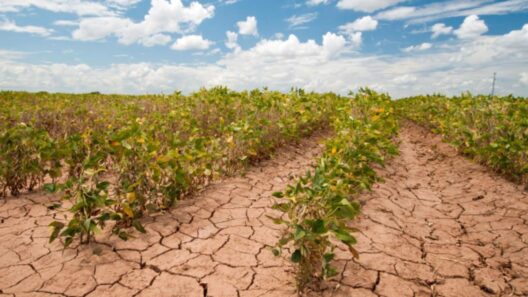
As we delve deeper into the consequences of global warming, the concept map unfolds additional layers of understanding. The impacts are profound and multi-faceted, affecting everything from weather patterns to sea levels. Rising temperatures contribute to more frequent and severe weather events, including hurricanes, droughts, and floods. Such climate-induced devastation poses significant risks to agriculture, infrastructure, and public health. Countries already vulnerable due to socioeconomic factors face even greater challenges, leading to discussions on climate justice and equity.
Adding another dimension to the discussion, we encounter the notion of feedback loops. For instance, as Arctic ice melts due to rising temperatures, darker ocean waters absorb more heat, accelerating ice loss—a phenomenon known as the albedo effect. Similarly, thawing permafrost releases methane, a potent greenhouse gas, further enhancing the greenhouse effect. These feedback loops illustrate the nonlinear and exponential nature of climate change, emphasizing the urgency of intervention.
Addressing global warming requires not just an understanding of these complex relationships, but also actionable strategies. Policy frameworks aimed at reducing emissions, such as the Paris Agreement, seek to unite nations in a collective effort to mitigate climate change. Transitioning to cleaner energy sources, enhancing energy efficiency, and promoting sustainable agricultural practices are pivotal steps in this regard. Moreover, investing in climate adaptation measures can enhance resilience against the effects of an already changing climate.
Individual actions matter too. From reducing energy consumption to supporting sustainable products, each person has the power to contribute to the larger solution. Community initiatives, such as tree planting and local conservation efforts, can create a ripple effect, fostering a culture of environmental stewardship. Moreover, engaging in conversations about climate change helps raise awareness, creating a more informed and responsive society.
The role of education in combatting global warming cannot be underestimated. It is essential to impart knowledge that encourages critical thinking and fosters environmental consciousness among younger generations. By integrating climate education into curricula, we can empower future leaders to approach environmental challenges with ingenuity and determination.
As we confront one of the most pressing challenges of our time, it is clear that the Global Warming Concept Map offers more than just a collection of facts. It provides a framework for understanding the complex nature of climate change and inspires action. The interconnectedness of human activity and environmental health is a critical lesson for all of us. So, what can you do today to make a difference? The answer lies in curiosity and commitment—exploring solutions, engaging with the community, and advocating for sustainable practices. There’s a world to save, and it starts with informed action.