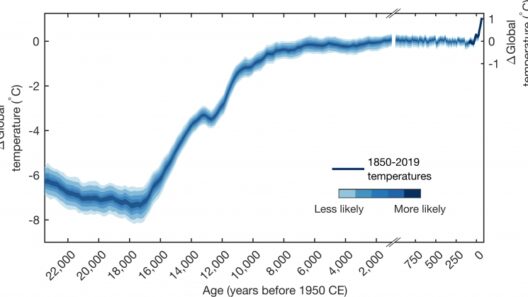



Global warming, an insidious specter, looms over our planet, turning landscapes into altered realities and reshaping societal paradigms. This phenomenon, characterized by the incessant rise in Earth’s average temperature, is not merely an environmental crisis; it is an indiscriminate force capable of reconfiguring ecosystems and revolutionizing political landscapes. As we inch closer to critical thresholds—where consequences become catastrophic—the effects of global warming ripple through the very fabric of our existence.
Imagine a world where the intricate tapestry of nature is irrevocably altered. Species, once thriving in their indigenous habitats, now find themselves in precarious situations due to shifting climatic conditions. Plants, the silent architects of our environment, are often the first to bear witness to these changes. Alongside temperature fluctuations, alterations in precipitation patterns are leading to the weakening of ecosystems. For instance, the coral reefs—often referred to as the rainforests of the sea—are experiencing unprecedented bleaching events. These reefs not only house an astonishing diversity of marine life but also act as natural barriers against storm surges. As temperatures continue to rise, their fate hangs perilously in the balance.
Similarly, terrestrial flora is grappling with altered growth patterns. A burgeoning season can tip into a catastrophic drought in the blink of an eye, making once-fertile lands inhospitable. Crops that have sustained civilizations for millennia are now slated for failure due to increasing pests and unpredictable weather. The yield from staple crops—corn, wheat, and rice—is under siege. As the delicate relationship between climate and agriculture frays, food security becomes a pressing concern, challenging our ability to feed a burgeoning global population.
Yet, it is not merely the physical landscape that is changing; global warming is interwoven with the socio-political framework of nations. Policies, once devised to protect ecosystems, are evolving under the weight of climate urgency. As natural disasters become more frequent, governments are compelled to pivot their attention, shifting resources toward emergency preparedness and disaster response. Climate change has catalyzed a paradigm shift, pushing environmental concerns to the forefront of political discourse.
Furthermore, the intersection of policy and climate activism can be likened to a dance—a delicate balance of progress and resistance. Legislative bodies are faced with the daunting task of reconciling economic interests with environmental responsibilities. In response to mounting pressures, there has been a veritable resurgence in the advocacy for renewable energy sources, such as solar and wind. These decisions are not merely economic calculations; they represent a moral quandary—effectively questioning our stewardship of the Earth.
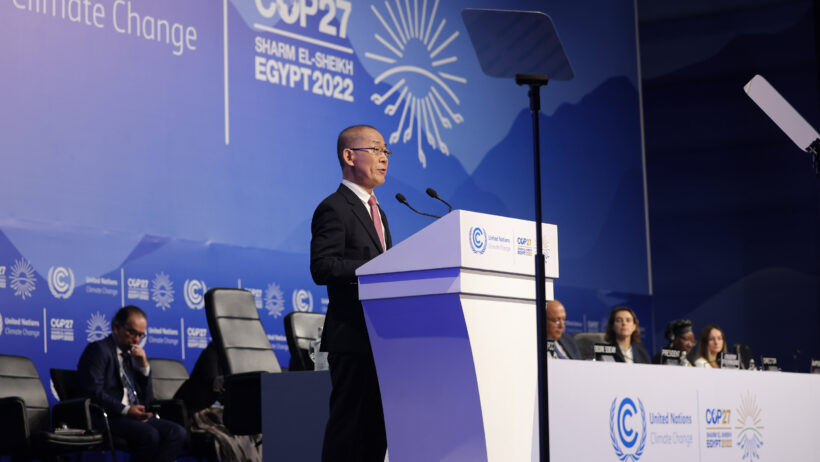
On a global scale, treaties and agreements—like the Paris Accord—seek to unify disparate nations in a collective effort to combat climate change. However, the paths to collaboration are often fraught with obstacles, as geopolitical strife complicates shared ambitions. The reality of climate change casts a long shadow, presenting a unique intersection where environmental imperatives collide with national interests. The climate crisis has become a unique appeal around which dialogue, negotiation, and conflict revolve—a veritable wrestling match between innovation and tradition.
The consequences of global warming extend beyond borders—ripple effects weave through socio-economic fabrics worldwide. Regions profoundly dependent on fossil fuel industries now face existential crises as transitionary pathways toward renewables emerge. The workers who have historically relied on these sectors for livelihoods find themselves at a crossroads. As policies promote a greener future, there is an urgent need for skill redevelopment and social safety nets, lest we exacerbate inequalities and social unrest.
Nonetheless, amidst all the disquiet, pockets of hope are interspersed throughout this narrative. Grassroots movements bloom like wildflowers in desolate landscapes, advocating for sustainability and environmental justice. These activists remind us that change is not only possible but essential. The youth, in particular, wield an unprecedented influence, rallying for their future with resolute fervor. Their voices echo in boardrooms and legislative halls, challenging policymakers to act decisively lest they be remembered as the architects of our downfall.
Global warming, with all its daunting implications, beckons us to reconsider our relationship with nature and ourselves. It serves as a clarion call—an exhortation to enact change, not only through policy but through everyday choices that resonate with the ethos of sustainability. A decision, no matter how minute, can form the nexus of a broader wave of transformation.
In conclusion, the implications of global warming transcend inches on a thermometer. They reverberate through the patterns of flora and fauna, reshape geopolitical standings, and challenge the very essence of our societal structures. As we stand at this critical juncture, it becomes painfully evident that combating climate change requires not just policies, but a paradigm shift in our collective consciousness. The stakes are high, and the time for action is no longer a distant consideration—it’s upon us. We must engage with urgency, for the future of the planet hinges upon the decisions we make today.