


Global warming represents an insidious transformation that continues to reshape our biosphere, ecosystems, and sociocultural landscapes. It stems chiefly from the unchecked emission of greenhouse gases produced by human activities such as industrial operations, deforestation, and the combustion of fossil fuels. The implications of this phenomenon manifest across various dimensions — climatic, ecological, economic, and social. In considering the intricacies of global warming, it is vital to explore its multi-faceted effects, the underlying science, the feedback mechanisms involved, and the potential strategies for mitigation.
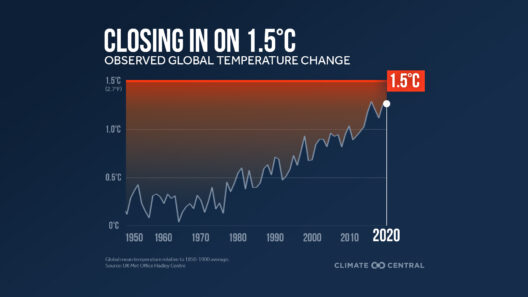
The principle behind global warming is rooted in the greenhouse effect. Solar radiation penetrates the Earth’s atmosphere, where some of it is absorbed by the surface, warming the planet. Subsequently, this energy is re-emitted in the form of infrared radiation. However, greenhouse gases, such as carbon dioxide, methane, and nitrous oxide, absorb and re-radiate this heat, preventing it from escaping into space. The result is a gradual increase in the Earth’s average temperature over time. This phenomenon is not an abstract notion; it directly influences weather patterns, ocean currents, and the overall climate system.
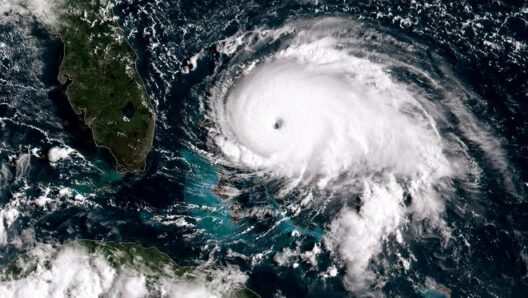
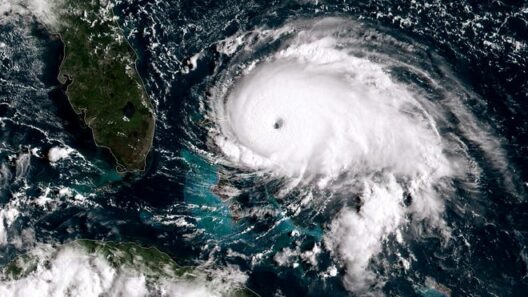
The ramifications of global warming are both profound and pervasive. One of the most palpable consequences is the alteration of weather patterns. Regions once characterized by predictable climates are now experiencing increased frequency and intensity of extreme weather events — including hurricanes, heatwaves, droughts, and floods. For instance, scientists have observed that the severity of hurricanes has escalated, correlating with rising sea surface temperatures. This alteration amplifies storm surge and precipitation levels, leading to catastrophic flooding and property damage.
Furthermore, global warming catalyzes the melting of polar ice caps and glaciers. This phenomenon contributes directly to rising sea levels, threatening coastal cities and low-lying areas worldwide. As the ice melts, it also exposes darker ocean surfaces, which absorb more heat, further accelerating the melting process in a self-reinforcing feedback loop. The surge in sea levels is not just an environmental concern; it poses substantial economic risks, jeopardizing infrastructure, real estate, and freshwater supplies.
Moreover, the ramifications extend into the biosphere, where myriad species face existential threats. Many organisms struggle to adapt to the rapid shifts in temperature and habitat due to global warming. As ecosystems alter, species migration patterns shift, with some animals and plants unable to keep pace with the changing climate. This biodiversity crisis could lead to significant ecological imbalances, influencing pollination, water purification, and nutrient cycling — essential services provided by nature that maintain the health of our planet.
The effects of global warming also reverberate through our agricultural systems. Changes in precipitation patterns, an increase in pest populations, and unpredictable growing seasons necessitate an urgent reevaluation of food security. Crops categorized as staples may fail in regions reliant on predictable weather. Consequently, food scarcity could lead to increased prices and heightened competition for restricted resources, culminating in social unrest and geopolitical instability.
Socially, global warming disproportionately impacts marginalized communities around the globe. Economically disadvantaged populations often reside in areas more prone to the effects of climate change but possess fewer resources to adapt. They may lack access to safe drinking water, adequate food, and healthcare, thus amplifying existing inequalities. The intersection of climate change and social justice illustrates the urgent need for equitable climate policies that address these disparities.
Addressing global warming requires a plethora of strategies, encompassing both mitigation and adaptation. Emission reductions stand at the forefront of climate action. Transitioning to renewable energy sources — such as wind, solar, and hydroelectric power — can substantially lessen greenhouse gas emissions. Additionally, enhancing energy efficiency in transportation, buildings, and industry mitigates the demand for fossil fuels. Policymakers must enact effective regulations, such as carbon pricing mechanisms, to incentivize the adoption of cleaner technologies.
Beyond mitigation, societal adaptation is equally crucial. Communities must develop resilience against the unavoidable consequences of global warming. This can include the construction of flood defenses, modification of agricultural practices to withstand extreme weather, and improving infrastructure to support climate resilience. Not only must we adapt at the community level, but there must also be a global commitment to sustainable practices, such as reforestation and the preservation of critical ecosystems like wetlands and coral reefs, which are vital for carbon sequestration and biodiversity.
Moreover, increasing public awareness and education around climate change is paramount. Engaging individuals in discussion, fostering a climate-conscientious culture, and empowering them to make sustainable choices can generate a collective impact. As citizens demand accountability and action from governments and corporations, the momentum for comprehensive climate policies can accelerate.
The magnitude of global warming is a compelling testament to humankind’s impact on nature. It is an unseen force reshaping our world, demanding immediate attention and profound changes in our relationship with the planet. As we confront the complexities associated with climate change, it becomes imperative to foster collaboration across disciplines and borders, uniting efforts to wrestle this formidable challenge. The health of our planet hinges upon our collective resolve to confront and mitigate the effects of global warming; only by acknowledging this reality can we hope to safeguard our ecosystems, economies, and future generations.