


Global warming, often likened to a slow, creeping tide, is not simply a distant concern but a present-day reality that challenges our very existence. As the planet’s thermostat rises, we find ourselves caught in an intricate web woven of ecological, social, and economic threads. This phenomenon resembles a grand puppeteer’s show, where unseen hands pull the strings of weather patterns, sea levels, and biodiversity. What lies ahead in this multifaceted narrative of climate change? To understand the trajectory of global warming, we must examine its relentless progression and its profound implications for the future.
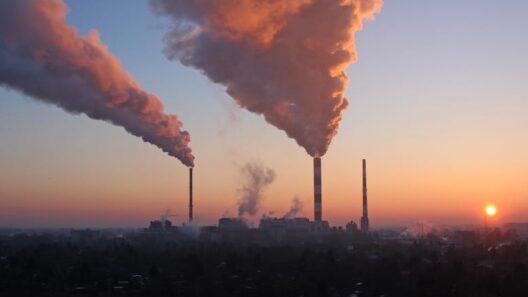
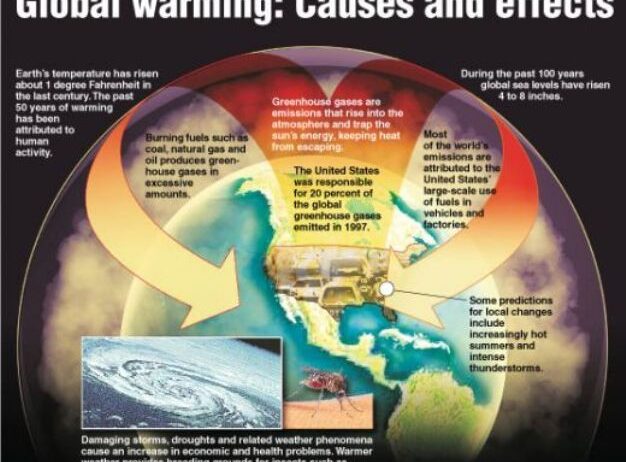
At the core of global warming is the greenhouse effect, a natural process that occurs when certain gases in our atmosphere trap heat. However, human activities have exacerbated this effect, leading to an unprecedented surge in global temperatures. Picture the Earth as a finely tuned instrument; the introduction of excessive carbon emissions has rendered it out of tune. The increased concentration of greenhouse gases—such as carbon dioxide, methane, and nitrous oxide—results in an ever-higher average temperature, signaling the start of a cascade of environmental consequences.
One of the most immediate repercussions of rising temperatures is the destabilization of weather patterns. Imagine the planet as a well-organized orchestra, each instrument maintaining harmony. However, with climate change, this orchestra is playing out of sync. Extremes in weather variability manifest as hurricanes, heatwaves, droughts, and torrential rains, presenting formidable challenges for agriculture, infrastructure, and human safety. Farmers, for example, grapple with the unpredictability of growing seasons and crop yields. Too much rain one year may lead to floods, while the next year’s drought could decimate crops altogether.
Yet, the impacts of global warming stretch far beyond mere weather fluctuations. Sea levels are inexorably rising, an insidious tide that threatens coastal communities worldwide. Imagine standing on the shore as the water gradually advances, devouring the land. This is the reality for millions of people living in low-lying areas. From Miami to Jakarta, cities are bracing for the dissolution of their coastline, prompting urgent considerations of migration, housing, and infrastructure. The specter of climate refugees looms large, forcing nations to confront the implications of displacement.
The biosphere is not exempt from the tumultuous effects of a warming planet. Ecosystems, once vibrant and resilient, now teeter on the brink of collapse. The tapestry of life on Earth, illustrated by the intricate interdependence of species, is slowly fraying. Coral reefs, often referred to as the rainforests of the ocean, are bleaching at an alarming rate as ocean temperatures rise and acidify. The metaphor of a canary in a coal mine is apt here; the decline of reef ecosystems heralds broader implications for marine biodiversity and human livelihoods dependent on these vibrant underwater cities.
Further inland, terrestrial wildlife faces similar vulnerabilities. Species with narrow ecological niches are struggling to adapt to rapidly changing habitats. Think of each species as a puzzle piece that fits uniquely into the larger picture of biodiversity. As these pieces become jumbled and misplaced due to habitat loss and shifting climates, the entire ecological puzzle becomes increasingly difficult to assemble. The extinction of even a single species can have reverberating effects throughout the ecosystem, akin to the fall of a keystone in an archway, weakening the structure that supports life.
As global warming intensifies, new opportunities and challenges will also arise in the geopolitical arena. The battle for resources will grow fiercer as nations contend with dwindling water supplies, arable land, and energy needs. The Arctic, once a remote and forbidding region, has become a focal point of geopolitical tension. Melting ice is unveiling untapped reserves of oil and gas, while opening up new shipping routes. Yet, the rush to exploit these resources threatens to escalate conflict and exacerbate global inequalities. The delicate balance of international diplomacy becomes increasingly precarious as nations navigate these fraying tensions.
In facing the realities of global warming, adaptation emerges as a critical strategy. Communities and nations must embrace resilience, developing infrastructures that can withstand extreme weather events and rising seas. Investing in renewable energy sources, enhancing public transportation, and promoting sustainable agriculture are vital components of a comprehensive adaptation strategy. It requires a paradigm shift—viewing climate change not as an isolated challenge but as an integral part of social and economic planning.
In the shadows of these challenges, hope flickers like a candle in the dark. Grassroots movements, fueled by passionate activism and a commitment to change, illuminate the path forward. Innovations in clean technology offer glimpses of a more sustainable future, while public awareness campaigns galvanize collective action. The metaphor of the phoenix rising from the ashes is apt; from the existential crisis of global warming, there lies the potential for rebirth, reform, and a future geared towards balance and sustainability.
As we ponder “What Happens Next?” in the saga of global warming, it is clear that the stakes are high. The threads of climate action are woven into the broader tapestry of human existence. To mitigate the worst impacts of our warming world, we must embrace a shared responsibility. Together, we must strive to restore the equilibrium of our planet, ensuring that future generations will inherit an Earth that is not only habitable but thriving. In this complex dance with climate change, every action counts—an intricate choreography that must be executed with precision, urgency, and unwavering commitment.