



Global warming represents one of the most pressing challenges of our time. As global temperatures continue to rise, an insidious mechanism known as the positive feedback loop exacerbates the crisis, catalyzing accelerated climate change. Understanding this phenomenon is essential to grasp the urgency of mitigating climate impacts.
The concept of a feedback loop in environmental science refers to a process in which the output of a system amplifies its own inputs, leading to increasingly pronounced effects. In the case of climate change, certain changes to the environment can trigger additional changes that further exacerbate warming. This is particularly evident in the interactions among greenhouse gases, Arctic ice melt, and soil health.
One of the most significant contributors to the positive feedback loop involves methane emissions. Methane, a potent greenhouse gas, holds more than 25 times the warming potential of carbon dioxide over a 100-year period. As temperatures rise, permafrost in the Arctic begins to thaw, releasing vast stores of methane trapped beneath the surface. The release of this gas into the atmosphere results in further warming, creating a vicious cycle that accelerates climate change.
The alarming frequency of natural disasters serves as a clarion call urging society to reevaluate its relationship with the environment. Droughts, wildfires, and hurricanes have become more intense, threatening ecosystems and human livelihoods alike. Each of these events contributes further to atmospheric greenhouse gas concentrations, either through direct emissions or by destabilizing carbon sinks, such as forests and wetlands.
In addition to permafrost thaw, increased temperatures lead to the drying of vegetation and coupled with human land use drives an uptick in forest fires. These fires not only release stored carbon but also contribute to a decrease in forested areas that are crucial for carbon sequestration. With each fire, a chunk of the planet’s natural ability to absorb atmospheric carbon diminishes, resulting in a corresponding increase in global temperatures.
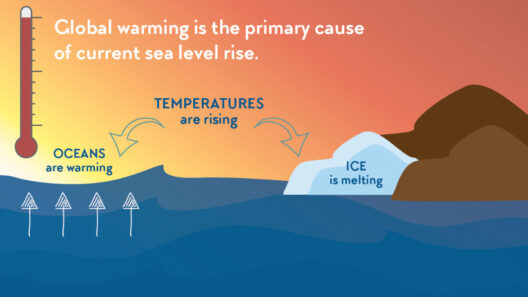
Oceans also play a pivotal role in this feedback dynamic. Rising temperatures lead to ocean warming, which diminishes the oceans’ capacity to absorb carbon dioxide. As oceans warm, they experience a phenomenon known as ocean acidification, disrupting marine ecosystems and the services they provide. The loss of coral reefs and other marine habitats exemplifies how delving deeper into warming oceans leads to a systemic unraveling of ecological balance.
Moreover, the melting of polar ice sheets and glaciers contributes abundantly to rising sea levels. What many may overlook, however, is that these ice masses reflect a significant portion of solar radiation back into space. As ice diminishes, darker ocean water is revealed, absorbing more sunlight and accelerating the warming process further. This optical alteration not only leads to increased temperatures but also disrupts marine life, impacting fisheries and communities that rely on these resources for their vital livelihoods.
The interplay between climate feedback mechanisms is not just confined to physical processes; it is deeply intertwined with socio-economic factors as well. For instance, agricultural productivity can be adversely affected by increased temperatures and shifting rainfall patterns, leading to food insecurity. As food shortages occur, the resulting socio-political strife can inhibit cooperative efforts to combat climate change, locking nations into a cycle of depletion and exacerbating the global crisis. This scenario reflects that without comprehensive action, our ability to tackle these challenges will be hampered.
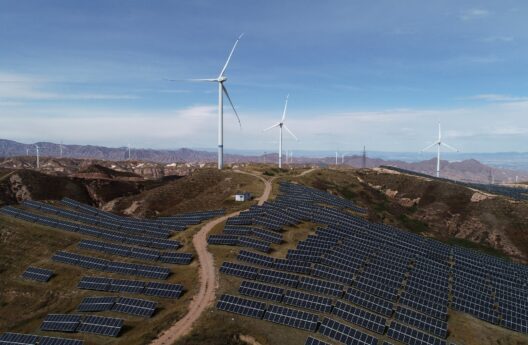
Addressing the complexities of the positive feedback loop necessitates innovative approaches and collaborative strategies. A paradigm shift in policy-making, emphasizing sustainable practices and renewable energy adoption, is imperative. Transitioning from fossil fuels to cleaner energy sources not only curtails emissions but also lessens the demand pressures that contribute to habitat destruction.
Another critical element is enhancing carbon storage capabilities. Restoration of degraded ecosystems, such as peatlands and forests, can enhance natural carbon sinks while undoubtedly reinstating biodiversity. Additionally, agricultural practices such as regenerative farming can revitalize soils, enabling them to sequester carbon more effectively and improve overall carbon stability in the environment.
Public engagement and education stand as a linchpin in tackling the narrative surrounding climate change. The more individuals understand the intricate details and urgency surrounding the positive feedback loop, the more empowered they become to enact meaningful change in their communities. Grassroots movements have the potential to catalyze a collective push towards sustainability, reminding each of us that our actions can create ripples of transformation throughout the world.
To conclude, the positive feedback loop of global warming encapsulates both a challenge and an opportunity. By unraveling the interwoven strands of climate systems and recognizing the urgent need for action, society can prompt a shift in perspective that prioritizes environmental stewardship. The accelerating crisis demands a synthesis of scientific understanding, public discourse, and policy-level changes. Only then can humanity hope to dismantle the feedback mechanisms driving climate change, paving the way for a more sustainable and resilient future.