


The conversation surrounding global warming often resembles a precarious tightrope act, where one misstep could plunge us into an abyss of irreversible consequences. The question looms: have we passed the point of no return on this pivotal issue? To approach this query, one must not only navigate scientific data but also engage in profound contemplations about our planet’s future health.
Defining the “point of no return” in the context of climate change involves recognizing thresholds that, once crossed, lead to self-perpetuating and often catastrophic outcomes. Among the most alarming indicators is the phenomenon of feedback loops, such as the release of methane from thawing permafrost. This potent greenhouse gas, released into the atmosphere, triggers a cascade effect, exacerbating warming in a manner reminiscent of a runaway train. The implications are dire—as temperatures rise, more permafrost thaws, releasing even more methane. The cycle perpetuates, augmenting the climate crisis rather than receding from it.
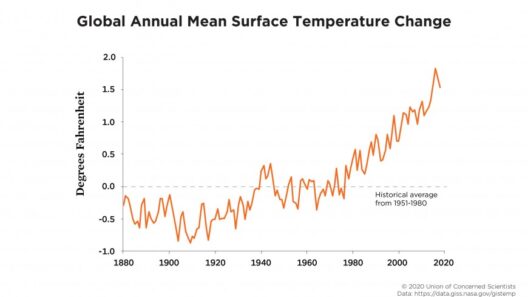
As we analyze the evidence, we encounter numerous scientific assessments that indicate we may no longer be in command of our atmospheric fate. A report by leading climatologists suggests that the Earth’s temperature has already risen by approximately 1.1 degrees Celsius since pre-industrial times. This seemingly innocuous increase belies the potential for catastrophic outcomes, including extreme weather patterns, diminished biodiversity, and irreversible alterations in ecosystem services. Each fraction of a degree is akin to the ticking of a clock, counting down toward an uncertain future. The burgeoning impacts on our weather systems, agriculture, and water resources signal an urgent call to action.
The Paris Agreement, a beleaguered yet noteworthy attempt to galvanize collective action against climate change, aims to limit global warming to well below 2 degrees Celsius above pre-industrial levels. This goal reflects a shared recognition that the climate crisis necessitates unprecedented global coordination. However, as nations grapple with competing interests, the path to achieving these targets grows increasingly convoluted. This dissonance presents a sobering reality: we are at a juncture where the anticipated outcomes of our decisions today will reverberate across generations.
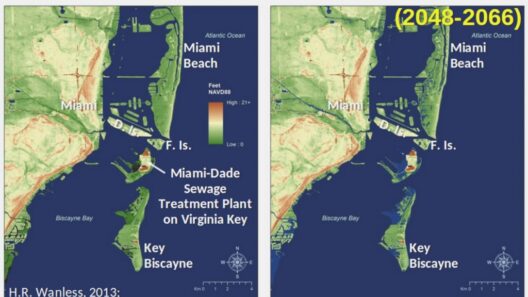
In examining the range of potential scenarios, one might draw parallels with a ship at sea, desperately navigating through treacherous waters with no guarantee of safe passage. The ship’s crew—nations, industries, and individuals alike—must chart a course that eschews further human-induced turmoil. The longer we delay decisive action, the more challenging our journey becomes. The prospect of climate tipping points—akin to the sudden shift of a majestic glacier that once seemed stable—looms before us. Examples include the anticipated collapse of the West Antarctic Ice Sheet, which could lead to significant sea-level rise, inundating coastal cities and displacing millions.
Moreover, the ecological ramifications are profound. Biodiversity loss is not merely an environmental statistic; it signifies the unraveling of intricate webs of life that sustain our planet. Each extinguished species represents not only a loss of biological complexity but also a diminishment of resilience in ecosystems that support human existence. The decline of coral reefs, often heralded as the “rainforests of the sea,” underscores the fragility of life in our oceans. These vibrant ecosystems serve as critical buffers against climate change while holding immense value for marine and human communities alike.
The urgency of addressing climate change extends beyond the environmental sphere, intertwining with social justice, economic stability, and political discourse. Marginalized communities frequently bear the brunt of climate impacts, grappling with disproportionately high vulnerability. The interplay between climate and poverty draws attention to the ethical dimensions of our predicament. As sea levels rise and weather patterns become erratic, the need for adaptive measures becomes paramount, emphasizing the importance of inclusivity in climate conversations.
In response to the weight of this crisis, a proliferation of innovative solutions emerges. Renewable energy technologies, such as solar and wind power, offer a glimmer of hope in reducing our dependence on fossil fuels. Collective action at both local and global levels, exemplified by grassroots movements and international agreements, can shift the trajectory of our environmental future. Engaging in sustainable practices—prioritizing conservation, energy efficiency, and circular economies—cultivates pathways toward resilience.
As we ponder the future, it is vital to reframe the narrative around global warming. Instead of succumbing to despair, we must reinvigorate our collective spirit with a sense of agency and responsibility. The metaphorical ship we sail requires vigilant captains, devoted to steering toward sustainable horizons rather than confronting calamity on the high seas of climate change.
The importance of climate education cannot be overstated. Knowledge serves as both a sword and shield in the battle against misinformation and apathy. By fostering a culture of awareness, we empower individuals and communities to advocate for meaningful change. Engaging youth in environmental stewardship nurtures a generation that not only comprehends the consequences of inaction but also possesses the resolve to alter the course of history.
The question remains: have we passed the point of no return on global warming? This inquiry is not merely rhetorical; it demands our immediate attention. Though indicators may suggest we are navigating perilous waters, the potential for transformation resides within our grasp. By committing to sustainability, equitable policies, and impactful global collaboration, we can still reclaim our role as stewards of the Earth. In recognizing the gravity of our choices, we hold the power to alter what lies ahead in the long-term narrative of humanity’s relationship with the planet.