
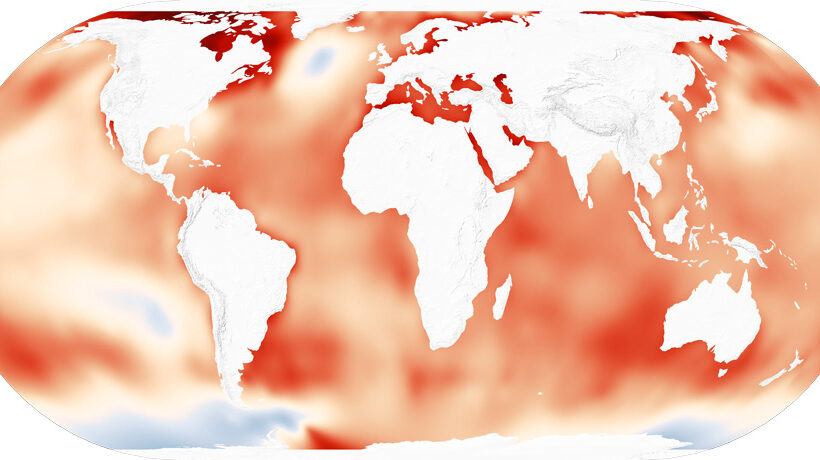

In recent decades, the phenomenon of climate change has emerged as a formidable specter, casting a long shadow over the future of our planet. As temperatures continue to rise, one of the most profound transformations is occurring beneath the waves of the world’s oceans. The warming of the ocean is not merely an isolated occurrence; it is intricately entangled with the broader narrative of climate change, echoing through our weather patterns, ecosystems, and even the biodiversity that our oceans support. The transformative process of heating the deep has consequences that ripple outward, affecting marine life and human existence alike.
When contemplating the oceans, it is perhaps easy to perceive them as vast, immutable expanses. Yet, they are dynamic entities, integral to Earth’s climate system. The oceans have absorbed an estimated 90% of the excess heat generated by greenhouse gas emissions since the late 20th century. This thermal uptake mitigates some of the immediate impacts of global warming on the atmosphere but prompts a cascade of changes in oceanic temperature, chemistry, and currents.
One observation that emerges from this warming trend is the phenomenon known as ocean stratification. As surface temperatures rise, the layers of water in the ocean begin to separate based on temperature and density. Warmer water sits atop cooler, denser water, leading to fewer exchanges between these layers. This stratification inhibits the vertical mixing that transports nutrients from the depths to the surface, where photosynthetic organisms thrive. Consequently, this disruption in nutrient cycling threatens the productivity of phytoplankton, the microscopic plants that form the foundation of marine food webs.
The ramifications of a less productive ocean are profound, particularly considering that phytoplankton absorbs a significant portion of atmospheric carbon dioxide. With a decline in phytoplankton populations, there exists a two-fold danger: reduced carbon sequestration capacity and diminished food availability for a plethora of marine species. Consequently, the effects cascade up the food chain, threatening fish stocks and, by extension, the livelihoods of those reliant on fishing industries.
Adding another layer to this situation is the ocean’s increased acidification, primarily a result of heightened carbon dioxide levels. Ocean acidity has risen approximately 30% since the dawn of the Industrial Revolution. This increase in acidity poses a dire threat to calcifying organisms such as corals, mollusks, and certain plankton species. The inability to form calcium carbonate effectively jeopardizes coral reefs, which are not only biodiversity hotspots but also crucial barriers protecting coastal regions from storm surges and erosion. The loss of these ecosystems can irreversibly alter coastal environments and displace human communities.
Coral reefs, in particular, epitomize the delicate balance of marine ecosystems. Rising temperatures induce coral bleaching, where stressed corals expel the symbiotic algae that provide them with nourishment and vibrant color. The subsequent loss of these algae renders corals more susceptible to disease and mortality. As coral ecosystems diminish, so too do the myriad of species that depend on them for habitat and sustenance. This interdependence highlights an essential observation: the health of our oceans is a direct reflection of our broader ecological responsibilities.
The heating of the deep also engages with atmospheric phenomena in ways that complicate our understanding of climate systems. Warmer oceans contribute to more intense weather events, including hurricanes and typhoons, as they provide the energy that fuels such storms. The increased frequency and severity of these weather patterns can devastate coastal communities, infrastructure, and ecosystems. Furthermore, as sea levels rise due to the thermal expansion of water and the melting of polar ice, the interaction between land and sea shifts, leading to increased salinity in estuaries and freshwater supplies. These changes threaten agriculture, drinking water sources, and biological diversity.
The complexities of ocean warming and its effects extend also to the realm of marine species migration. As ocean temperatures alter the habitat ranges of various marine organisms, a phenomenon of “species redistribution” emerges. Fish populations are known to shift toward cooler waters, often moving poleward or to deeper depths. This can lead to conflicts in fishing territories, changes in local economies, and a loss of cultural heritage tied to traditional fishing practices.
In considering the sheer scale and depth of these transformations, it becomes clear that the implications of warming oceans elicit a profound sense of urgency and responsibility. Coastal communities and entire nations face the need for adaptive strategies that can mitigate impacts and harness sustainable practices. Integrated approaches requiring collaboration across borders, marine conservation efforts, and innovative technologies must come to the forefront.
To confront the challenges posed by warming oceans, we must also breathe life into the narrative of climate change dialogue. Engaging in advocacy for sustainable practices, supporting marine protected areas, and promoting regenerative ocean farming are vital avenues for fostering resilience in marine ecosystems. There exists tremendous potential in harnessing community-driven marine stewardship and education initiatives to inspire collective action for preserving ocean health.
Ultimately, the fate of the oceans is inexorably linked to our own. Recognizing the importance of our oceans in the context of global climate change provides not only an imperative for immediate action but also an opportunity for innovation and regeneration. By understanding the elegant yet complex interplay of factors transforming our oceans, we can begin to forge a path toward a more sustainable coexistence with the natural world. Our comprehension and valuation of the oceans may prove to be essential in ensuring a viable planet for future generations.