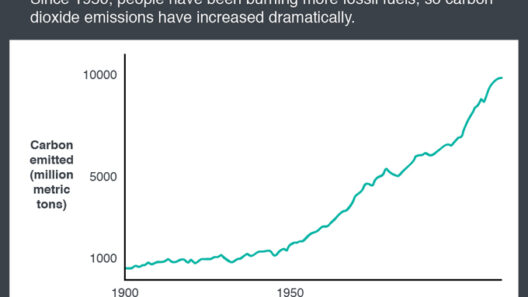


As the sun blazes ever more fiercely upon our planet, the metaphor of a slowly heating kettle is an apt representation of the current state of climate change. For too long, society has been lulled into complacency, basking in the warmth without fully recognizing the implicit danger. Americans, along with inhabitants from many corners of the globe, are increasingly experiencing the ramifications of a world that is undeniably feeling the heat. From unprecedented weather patterns to the rising specter of environmental degradation, the urgency for action has never been more palpable.
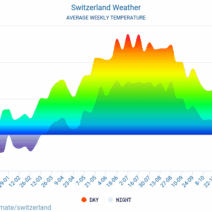
Across the United States, staggering heatwaves have become an annual phenomenon, drawing attention to a critical reality: the climate is changing, and it is doing so at an alarming rate. This year, cities like Phoenix and Dallas have reported record-breaking temperatures, sending residents scrambling for shade as swirling thermometers soar toward heights previously thought unimaginable. The once bearable warmth of summer has transformed into a stifling embrace, causing health risks that vary from heat exhaustion to even more dire consequences. Vulnerable populations, such as the elderly and those with preexisting conditions, find themselves particularly at risk as they navigate this new oppressive reality.
However, the impacts of climate change extend well beyond the borders of the United States. Globally, nations are grappling with the repercussions of a warming climate, as developing countries bear the brunt of its consequences. In areas already struggling with socio-economic challenges, climate-induced disasters amplify existing vulnerabilities. From the arid regions of sub-Saharan Africa, where agriculture is wilting under the relentless sun, to the floodplains of South Asia, where monsoon seasons arrive with a relentless ferocity, the world is witnessing an unprecedented convergence of climate impacts that threaten both human survival and biodiversity.
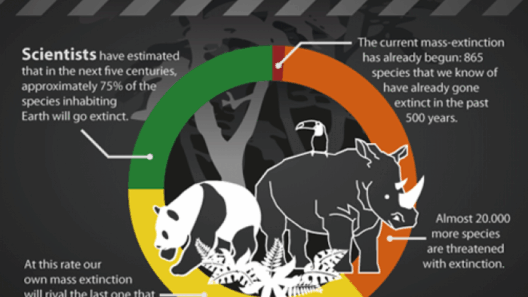
The ironic juxtaposition of abundance and scarcity exemplifies the plight faced by many communities around the world. In developed nations, the gluttony of consumerism meets the stark reality of resource depletion elsewhere. Deforestation, a direct byproduct of urban expansion and agricultural pursuits, further exacerbates the trend of climate despair. Trees, often referred to as the lungs of the Earth, are felled to make way for economic gain, leading to a cascade of effects that reverberate across the globe. The loss of forests not only contributes to heightened carbon emissions but also dismantles the delicate ecosystems that sustain diverse life forms.
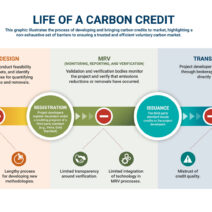
Some might view climate change through a lens of financial implications, arguing that green initiatives could hinder economic growth. However, this perspective overlooks an undeniable truth: inaction on climate change will ultimately prove far more costly. The financial burden of battling natural disasters, whether they manifest as hurricanes devastating coastal communities or wildfires ravaging forests, compounds exponentially. The economic toll from these disasters engenders a harsh reality; the cost of recovery and mitigation often far outweighs the proactive investment in sustainable practices.
A particularly salient dimension of climate change is its intersection with social equity. While affluent societies may find themselves better equipped to weather the storm – quite literally – the less fortunate are often left exposed to the vagaries of an altered climate. Disenfranchised communities frequently lack the resources necessary to evacuate from flood-prone areas or to air condition their homes during oppressive heatwaves. This cycle of inequality reinforces the necessity for climate justice, urging policymakers to consider the disparate impacts of climate change and to develop solutions that uplift rather than marginalize.
Despite the daunting challenges, a resplendent ember of hope glimmers amidst the gloom. Citizens across the planet are rising to combat the escalating crisis. Movements advocating for sustainability—ranging from grassroots campaigns to international coalitions—are gaining momentum. Young activists exemplify this fervor, galvanizing their peers and older generations alike. The fervid call for climate action resonates deeply, echoing through the halls of Congress and international forums. These advocates are no longer just whispering into the void; they are demanding transformative change.
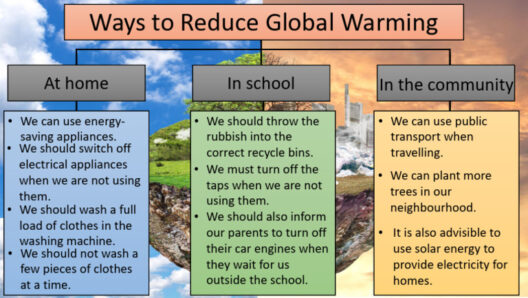
Innovative technologies emerge as powerful allies in the fight against climate change. Advances in renewable energy, such as solar, wind, and geothermal, are increasingly viewed not only as feasible alternatives but as prerequisites for a sustainable future. These technologies offer a revolutionary potential: to harness nature’s abundance while significantly reducing our carbon footprints. As nations invest in green infrastructure, the vision of a future powered by clean energy becomes less of a distant dream and more of an imminent possibility.
Sustainable practices can extend beyond energy, incorporating reimagined urban planning and responsible consumption. Initiatives that promote urban agricultural practices, conservation of water resources, and an embrace of circular economies are gaining traction. As cities recognize their pivotal roles in climate stewardship, they are becoming increasingly adept at striking a harmonious balance between development and environmental responsibility.
Ultimately, the narrative of climate change is not one of desolation but of resilience and determination. Just as the kettle will not boil forever, humanity cannot remain stagnant in the face of climate challenges. As awareness deepens and action escalates, the world stands on the precipice of unparalleled transformation. By embracing sustainable practices, advocating for policy changes, and fostering a culture of environmental awareness, individuals can collectively catalyze change. When viewed through this multifaceted lens, the heat that radiates from our planet can lead not only to discomfort but also to a reinvigorated commitment to our stewardship of this Earth.