
Energy efficiency and conservation are two pivotal concepts in the discourse surrounding climate change and sustainability. Although often used interchangeably, they are distinct yet interrelated phenomena. This article aims to elucidate the connection between energy efficiency and conservation, examining how both are integral to fostering a more sustainable future.
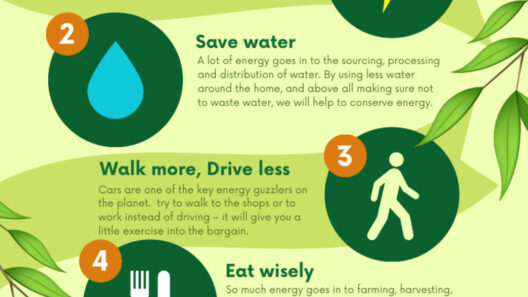
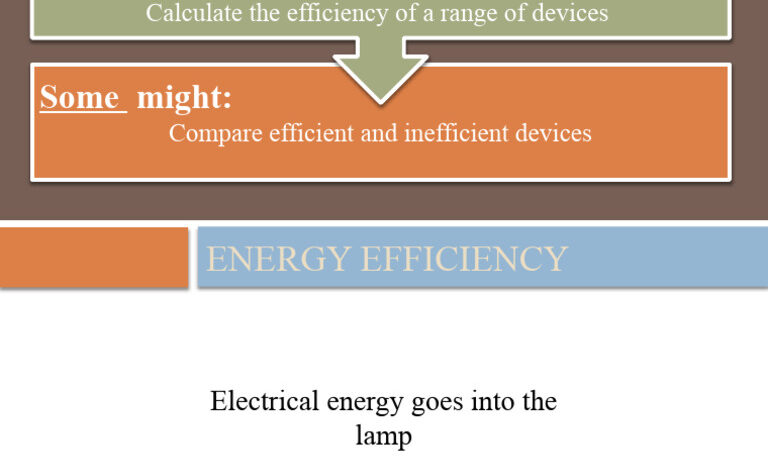
At its core, energy efficiency refers to using less energy to achieve the same level of output or service. For example, using LED bulbs instead of incandescent ones allows individuals to obtain the same brightness while consuming significantly less electricity. Energy conservation, on the other hand, involves altering behaviors and practices to reduce energy use. This could manifest as turning off lights when a room is unoccupied or opting for public transportation instead of driving. Understanding the nexus between these two concepts helps clarify their importance in combating climate change.
First and foremost, the relationship between energy efficiency and conservation can be illustrated through their complementary roles in lowering energy demand. When energy-efficient technologies are adopted, they reduce the amount of energy needed for specific tasks. In turn, this reduction can lead to decreased overall consumption. However, it is important to note that improving energy efficiency alone may not suffice. Without an accompanying effort in energy conservation, the total energy savings can be undermined as individuals may be tempted to use more energy-efficient devices without changing their consumption habits. Thus, both elements must work in concert to achieve substantial reductions in energy usage.
This synergy is evident in residential buildings. For instance, implementing energy-efficient appliances can lower household energy consumption significantly. However, if residents do not engage in energy-efficient behaviors—such as limiting the use of heating or cooling systems—the potential benefits of these appliances may be diminished. It becomes clear that energy conservation practices amplify the advantages attained through energy efficiency measures.
Moreover, the interplay between energy efficiency and energy conservation manifests in the broader context of climate policy and economic incentives. Governments and environmental organizations often promote energy-efficient technologies through subsidies and tax incentives, aiming to stimulate their adoption. In parallel, they also advocate for conservation practices through public awareness campaigns and educational programs. Such initiatives not only raise awareness but also instigate behavioral changes that further enhance energy efficiency efforts.
Infrastructural developments also illustrate the interrelation between these concepts. In urban planning, architects and engineers increasingly focus on creating buildings that are both energy-efficient and conducive to conservation practices. This includes the design of homes with ample natural light to reduce reliance on artificial lighting, as well as the strategic placement of windows to optimize natural ventilation. Such holistic approaches maximize the effectiveness of energy-efficient technology while promoting a culture of conservation.
Furthermore, the implications of energy efficiency and conservation are not limited to individual households. In industrial contexts, large-scale manufacturing processes can benefit tremendously from efficiency improvements. An industry that adopts energy-efficient machinery may significantly reduce its operational costs while simultaneously contributing to lower greenhouse gas emissions. Yet, if that same industry does not implement energy conservation strategies—such as optimizing production schedules to avoid peak energy usage—the overall energy savings may plateau. The integration of both strategies allows companies to achieve sustainable growth while mitigating environmental impacts.
The agricultural sector also has much to gain from a concerted focus on efficiency and conservation. Agribusinesses that employ precision agriculture techniques can reduce water and energy usage while maintaining high crop yields. Instruments such as energy-efficient irrigation systems lessen the strain on water resources. However, efficient practices must be matched with conservation efforts, like crop rotation and cover cropping, which preserve soil health and minimize the demand for energy-intensive fertilizers. The convergence of these approaches ultimately represents a paradigm shift in how resources are utilized in food production.
Furthermore, behavioral changes are pivotal to solidifying the synergy between energy efficiency and conservation. Education plays a crucial role here; raising awareness about the benefits of both can inspire individuals to adopt more sustainable practices. Community programs that encourage group participation, such as energy challenges or workshops focused on energy-saving techniques, can cultivate a collective ethos around energy responsibility. Such community-driven initiatives can magnify the impact of both energy-efficient technologies and conservation behaviors.
Nevertheless, challenges remain in bridging the gap between energy efficiency and conservation. The rebound effect—a phenomenon where increased efficiency leads to greater consumption—is a critical concern. For instance, if homeowners are incentivized to invest in energy-efficient appliances, they might feel justified in using these appliances more frequently, negating the expected energy savings. Polices must address such behavioral tendencies to ensure that the goals of energy efficiency and conservation are not undermined.
In conclusion, the intricate relationship between energy efficiency and conservation is fundamental in the pursuit of sustainable development and climate change mitigation. As societies navigate the multifaceted challenges posed by energy demand and environmental degradation, understanding and leveraging the connection between these two concepts will be paramount. Adoption of energy-efficient technologies, coupled with active conservation practices, will pave the way toward a more sustainable energy future. The convergence of efficiency and conservation cannot merely be an afterthought; it must be at the forefront of the discourse on energy use, climate responsibility, and global sustainability.