


The question looms large in our collective consciousness: How are we, as humans, inadvertently waging war on our own planet? In our quest for progress, we have mobilized our lifestyle choices and industries in such a way that they exacerbate climate change. It’s a curious conundrum that begs examination. Could our leisurely pursuits—our penchant for convenience—and the monolithic machinery of industry be igniting an environmental tempest? Let us delve into the dual roles that everyday living and industrial endeavors play in this intricate narrative.
To commence, let’s contemplate daily human behavior. Each decision, no matter how minute, reverberates through the fabric of our ecosystems. From the moment we arise and reach for our electric toothbrushes, the clock begins to tick on our carbon footprint. The electricity we consume for such seemingly innocuous tasks often derives from fossil fuels. According to energy statistics, a significant portion of the global energy mix still consists of coal and natural gas—resources notorious for releasing carbon dioxide into the atmosphere as they burn. Transitioning to renewable sources—like wind or solar—remains paramount, yet many are reluctant to make the change due to financial constraints or perceived inconvenience.
As we journey further into our day, consider our transportation choices. The automobile prima facie symbolizes modern freedom and mobility. However, the Internal Combustion Engine (ICE), which propels the majority of personal vehicles, emits greenhouse gases that contribute to climate change. Urban sprawl fuels this reliance; cities expand outward, necessitating longer commutes that only escalate emissions. Public transport systems barely scratch the surface of alleviating this predicament. A shift towards cycling and walking, or the embrace of electric vehicles, may seem advantageous, yet entrenched habits often obfuscate progress.
Perhaps even more insidious is the culture of consumption that pervades modern society. The phenomenon of consumerism encourages transformation through excess; new products designed for obsolescence flood the market. Each item we discard—notably plastics—creates a cascade of environmental degradation. Landfills overflow, and the decomposition of waste releases methane, a gas far more potent than carbon dioxide. Shifting our paradigms towards a more sustainable mindset, favoring minimalism and reuse, could reverse this trajectory. Yet, the allure of the new is difficult to resist, presenting a formidable challenge to the conscientious consumer.
Now, let’s pivot to industry—a key player in the tale of climate change. Industrial operations, much like individual lifestyles, ripple through global ecosystems. The manufacturing sector stands as a titan of emissions, fueled by the burning of fossil fuels, and often prioritizes profit over sustainability. The production of goods—particularly within the textile and electronics industries—results in formidable emissions and significant water pollution. The often-hidden costs of cheap labor and exploitation in developing nations further complicate this reality, raising ethical questions about consumption habits in wealthier countries.
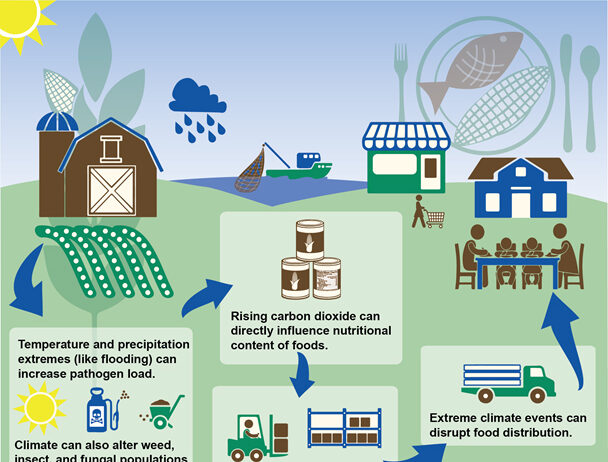
This brings us to agriculture—a sector notoriously entwined with climate change. Conventional farming methods, reliant on synthetic fertilizers and pesticides, necessitate significant fossil fuel consumption and contribute to soil degradation. Moreover, livestock farming is one of the primary contributors to methane emissions, another formidable greenhouse gas. The challenge presented here for humanity is profound: how do we balance our dietary preferences with the planet’s well-being? A collective shift towards plant-based diets could mitigate these issues. However, dietary habits run deep, often entwined with cultural identity, complicating any prospects for change.
Moreover, the energy sector is inextricably linked to human-induced climate change. The extraction and combustion of fossil fuels remain the backbone of economic growth in many nations. The interrelationship of energy consumption and economic development, especially in burgeoning economies, renders a transition to greener alternatives a complex challenge. Industries must pivot to renewable energy not just for their own long-term viability, but for the survival of the planet as a whole. This leads to the question: are governments and corporations ready to forge such a transformative path?
Evidently, we stand at a crossroads, caught in a web of lifestyle choices and industrial practices that fuel climate change. However, the onus does not rest solely on individual shoulders. Legislative measures, public policy reforms, and corporate responsibility play pivotal roles in shifting the tides. We can leverage our collective voice to advocate for accountability and transparency within industries. Engaging in civic discourse surrounding environmental policies could galvanize support for measures that curb emissions on a larger scale.
Ultimately, a cultural transformation is paramount. Embracing sustainable practices, be it through lifestyle choices or industrial methods, can create a ripple effect leading to profound change. The playful question that we might ask ourselves is: Can collective consciousness become a powerful antidote to climate change? It is imperative that we galvanize efforts across all strata of society, from individual actions to sweeping legislative change, to chart a more sustainable course for future generations.
In conclusion, addressing climate change necessitates a multifaceted approach. Understanding how our lifestyles and industries contribute to this global challenge is the first step. The call to action is urgent; it beckons us to rethink how we live, how we produce, and ultimately, how we relate to our planet. The future may be uncertain, but the power to alter its trajectory resides in our hands. Will we rise to the occasion, or will we remain ensnared in a cycle of complacency? The answer holds immense implications for our planet’s health and our very survival.