


Building design plays a pivotal role in enhancing energy conservation, and its significance cannot be overstated in the current climate crisis. Worldwide, structures consume a substantial portion of energy, and improving their design can drastically ameliorate this consumption, thereby aiding in the battle against climate change. Exploring the intersection of architecture, engineering, and environmental science reveals a multitude of strategies that can be employed to optimize buildings for energy efficiency.
One critical facet of energy conservation in building design is the integration of passive solar principles. Buildings can harness sunlight for natural heating and lighting by strategically orienting them to capture solar radiation. Proper placement of windows and the use of overhangs can facilitate daylight penetration while minimizing heat gain in warmer months. This approach reduces reliance on artificial lighting and mechanical heating, ultimately leading to substantial energy savings. Passive solar design is an art, marrying functionality with ecological responsibility.
Another vital component is insulation. High-performance insulation materials can be employed to create envelopes that minimize thermal bridging and air leakage. By selecting insulation materials with superior R-values, designers can enhance a building’s ability to maintain internal temperatures. Techniques like continuous insulation and advanced framing can substantially improve energy efficiency. These methods reduce energy losses attributed to conventional framing systems, thus bolstering overall energy conservation mechanisms.
Moreover, the selection of building materials directly influences energy consumption. Utilizing locally sourced and sustainable materials can drastically reduce the embodied energy within a structure. Materials such as bamboo, recycled steel, and rammed earth not only offer robust structural integrity but also lower the transportation energy associated with conventionally sourced materials. Furthermore, adopting renewable materials fosters a circular economy, where waste products are reintegrated into the production cycle, thereby minimizing overall environmental impact.
Smart technology integration is transforming building design, facilitating energy conservation through automation and advanced monitoring systems. Incorporating smart thermostats, occupancy sensors, and energy management systems allows for real-time monitoring of energy consumption patterns. These technologies enable users to adjust heating, cooling, and lighting based on occupancy, leading to significant reductions in energy wastage. As building occupants become more informed about their energy usage patterns, they are likely to adopt more conscientious behaviors, ultimately contributing to broader energy conservation efforts.
The concept of green roofs and living walls is gaining traction due to their multifaceted benefits in energy conservation. These systems provide additional insulation, reducing heating and cooling demands. Furthermore, they enhance urban biodiversity, improve air quality, and regulate stormwater runoff. By introducing vegetation into the built environment, green roofs can mitigate the urban heat island effect, contributing to a more sustainable and livable ecosystem. Such features epitomize the synergy between nature and architecture, demonstrating a profound commitment to environmental stewardship.
A multifarious approach encompasses renewable energy integration. Solar panels and wind turbines can be installed on building rooftops or facades, augmenting energy production. These technologies not only decrease dependence on fossil fuels but can also lead to energy independence for buildings. Designing for energy generation alongside energy conservation exemplifies a holistic view of sustainability. As advancements in solar and wind technology continue to unfold, buildings equipped with these systems can become power generators rather than mere energy consumers.
Taking a broader perspective, the integration of energy-efficient systems, such as high-performance HVAC units and energy recovery ventilators, is indispensable. Conventional heating and cooling systems are often inefficient and contribute significantly to energy consumption. By leveraging systems designed for energy efficiency, buildings can maintain comfort while consuming far less energy. This includes employing geothermal heating systems and exploring district heating as viable alternatives, ultimately fostering a transition towards renewable sources of energy.
Beyond technical strategies, behavioral considerations play a critical role in enhancing energy conservation through design. Spaces that promote social interaction and encourage communal behaviors can foster collective environmental consciousness. For instance, common areas that emphasize natural light and comfortable temperature regulation can promote longer occupancy times, reducing energy expenditure on heating and cooling. The psychological nuances of building design can encourage inhabitants to make environmentally conscious decisions simply through their day-to-day interactions with the space.
Local climate considerations also greatly influence building design strategies aimed at energy conservation. Different regions exhibit unique climatic characteristics that necessitate tailored approaches. For instance, buildings in hotter climates may prioritize passive cooling techniques, such as cross-ventilation and thermal mass, whereas those in colder climates might focus on maximizing solar gain and minimizing heat loss. Understanding local conditions ensures that energy conservation strategies are not only effective but also contextually relevant and sustainable.
Lastly, the prevailing building codes and standards play a fundamental role in guiding energy-efficient design. Policy frameworks that mandate energy efficiency performance standards can propel the industry forward. Stakeholders, including architects, builders, and policymakers, must collaborate to ensure that regulations reflect and promote sustainable practices. Initiatives such as the International Green Construction Code serve as benchmarks, inspiring innovations and improvements in building design.
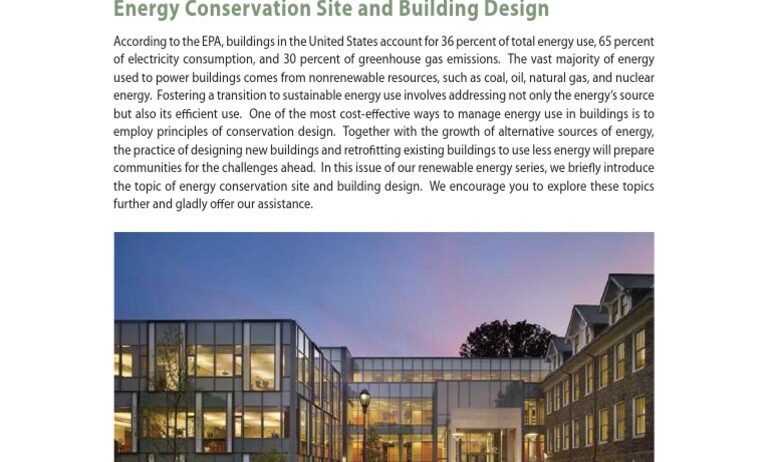
In conclusion, building design presents an exceptional opportunity to reduce energy consumption significantly. By embracing innovative architectural principles, material selection, smart technology, and energy-efficient systems, it is possible to construct structures that not only inspire but also significantly contribute to energy conservation. The culmination of these efforts ultimately exemplifies how the built environment can evolve toward a more sustainable future, addressing the pressing challenges posed by climate change while enhancing the quality of life for all. Pragmatic building design offers a transformative pathway to mitigate environmental impact, underscoring the necessity of reimagining how we construct and inhabit our spaces.