


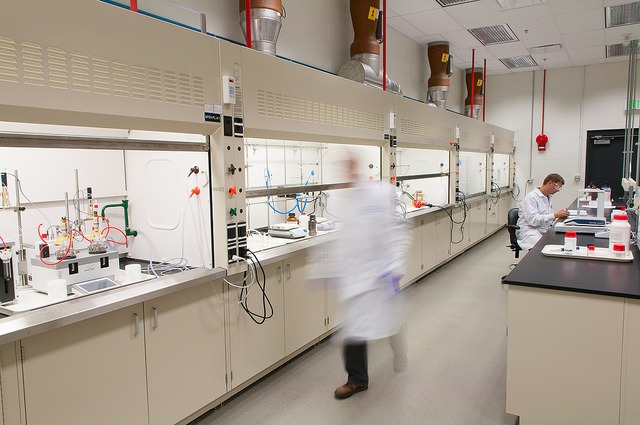

Fume hoods are an indispensable fixture in laboratories, designed to safeguard users from hazardous fumes, vapors, and particulates while maintaining a sterile environment essential for scientific inquiry. However, these vital utilities consume substantial amounts of energy. As laboratories seek to reduce their carbon footprint, the imperative to conserve energy within fume hoods has gained unprecedented relevance. This guide offers insights on how energy conservation practices can be seamlessly integrated into laboratory operations, promising not only environmental benefits but also operational efficiencies.
To understand energy conservation in fume hoods, one must first appreciate their functionality. Fume hoods work by drawing air into their enclosed work zone, capturing potentially harmful substances, and expelling them through an exhaust system. While this is crucial for safety, it requires continuous airflow, leading to significant energy consumption due to the heating, ventilation, and air conditioning (HVAC) systems that support the hood. Thus, the quest for energy efficiency begins with a critical examination of airflow management.
One of the foremost strategies for conserving energy in fume hoods is optimizing airflow rates. Laboratory managers must analyze the airflow requirements specific to their operations. A common misconception is that higher airflow equates to enhanced safety. However, reducing the face velocity—the speed at which air enters the fume hood—can lead to energy savings without compromising safety, provided that adequate risk assessments are conducted. Consider implementing variable air volume (VAV) systems, which adjust airflow in response to the specific needs of the laboratory. By aligning airflow with actual usage, labs can reduce energy waste substantially.
Moreover, implementing laboratory protocols that emphasize fume hood use can substantially curtail energy usage. Instituting regulations that encourage users to work with fume hoods only when necessary, rather than leaving them constantly open, makes a significant difference. Training staff on the prudent use of fume hoods fosters a culture of environmental responsibility. Engaging personnel in regular discussions about energy conservation reinforces the importance of using these systems judiciously.
Another compelling strategy lies in the adoption of energy-efficient fume hoods designed with modern technologies. Contemporary fume hoods often feature advanced materials and designs that enhance insulation and airflow dynamics. For instance, hoods equipped with enhanced sash systems enable precise adjustments, allowing users to operate them at optimal positions, which can lead to reduced energy consumption. The innovative use of motorized sashes, which automatically close when not in use, further demonstrates how modern engineering can align operational needs with sustainability goals.
Furthermore, the integration of fume hood monitoring systems complements these conservation efforts. Real-time data analytics can provide insights into airflow rates and usage patterns, identifying opportunities for improvement. Monitoring systems can alert users when airflow is outside of designated parameters or when a fume hood is left open without attendant activity. Leveraging such technology not only enhances safety but also reinforces energy-saving habits among staff, creating a feedback loop that encourages proper usage.
It is also pivotal to consider the implications of fume hood maintenance on energy efficiency. Regular maintenance schedules ensure that these systems operate at peak performance. Neglected equipment can lead to increased energy consumption due to mechanical inefficiencies and leaks. Thorough inspections to identify duct leaks, filter obstructions, and degradation in insulation should be integral to any laboratory’s maintenance regimen. By investing in maintenance, laboratories can preserve the integrity of their energy-saving strategies while simultaneously mitigating safety risks.
In tandem with the above recommendations, consider capitalizing on the advantages of laboratory design. Design decisions made at the conceptual stage of laboratory development can have lasting impacts on energy efficiency. For instance, positioning fume hoods relative to the building’s ventilation systems can enhance airflow efficiency. Incorporating natural lighting and utilizing passive solar energy can also contribute to a holistic strategy for energy conservation. Architects and lab planners should prioritize sustainability in their designs to ensure that energy efficiency is embedded into the laboratory’s operating principles from the outset.
Moreover, the benefits of retrofitting existing fume hoods with energy-efficient upgrades cannot be overstated. Laboratories should evaluate the feasibility of replacing older models with newer, more efficient alternatives. While the initial investment may seem daunting, the long-term energy savings and reduction in operational costs will often justify the expense. Grants and incentives aimed at sustainability initiatives may offset these capital outlays, providing an additional layer of financial viability for such upgrades.
Lastly, fostering partnerships with sustainability organizations can enhance laboratories’ energy conservation efforts. Collaboration with external entities can yield access to cutting-edge technologies, insights into best practices, and opportunities for staff training. Sustainability advocacy groups often provide resources that can empower laboratories to remain at the forefront of energy conservation while achieving their scientific objectives.
Energy conservation in fume hoods is not merely a lofty aspiration; it is an attainable goal that holds profound implications for laboratories and the environment. By embracing thoughtful strategies—from managing airflow and optimizing usage to incorporating modern technologies and prioritizing maintenance—laboratories can lead the charge toward a more sustainable future. As environmental stewards grappling with the realities of climate change, it is our collective responsibility to ensure that the instruments of discovery are employed in ways that respect our planet’s resources. Through these actions, laboratories can illuminate a path forward that balances scientific progress with ecological integrity.