
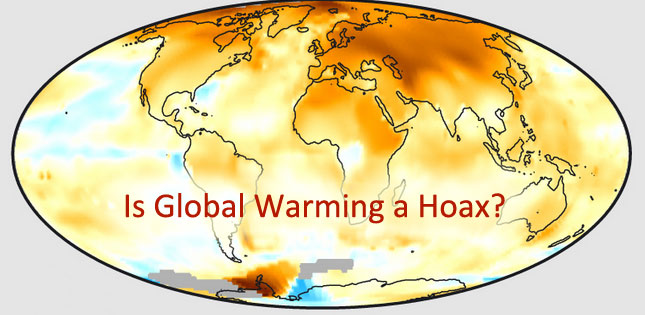

In an age where scientific knowledge is readily available, one might ponder: how can people still claim that global warming is a hoax? The persistence of this belief is confounding, especially in light of overwhelming evidence indicating that climate change is a grave reality. This discourse will attempt to debunk the common myths surrounding this contentious issue and shed light on the rationale that leads some to deny the validity of climate change.
To begin with, it is essential to recognize that climate change denial often stems from a misinformation campaign that inadequately represents scientific data. This selective presentation of information can lead the public to question the consensus among climate scientists. Misleading narratives are perpetuated through social media, where anecdotal evidence and cherry-picked studies frequently circulate, exacerbating confusion. It poses a salient challenge: how can we discern genuine scientific discourse from misleading information?
One prevalent myth is the assertion that climate change is merely a natural occurrence, an argument supported by historical climate fluctuations. While it’s true that the Earth’s climate has undergone significant changes throughout geological periods, the linear correlation between industrialization and rising greenhouse gas emissions is irrefutable. Modern climate change, characterized by rapid temperature increases and unprecedented weather patterns, is primarily the result of human activities. Unlike natural processes, which operate over millions of years, anthropogenic impact has led to observable shifts within a mere century. Questioning human accountability in climate change oversimplifies an intricate and well-documented phenomenon.
Another myth suggests that climate models are unreliable, and thus, the predictions about global warming are exaggerated. Critics often point to past inaccuracies in these models to bolster their arguments. However, it is vital to understand that climate models are continually refined to incorporate new data and technological advancements. While no model is perfect, the convergence of multiple models projecting similar outcomes lends credence to the accuracy of these projections. These models are akin to weather forecasts: while they may not guarantee precision, they provide informed estimates based on prevailing conditions. Disregarding them as mere guesswork undermines a sophisticated scientific methodology.
The argument that global warming is a hoax perpetuated by scientists for monetary gain is another fallacy that deserves scrutiny. Such claims suggest that scientists collude to fabricate data, which raises an ironic yet poignant question: why would countless reputable scientists, from diverse disciplines and institutions, engage in such a conspiracy? The scientific community thrives on peer review and validation of findings. The notion that thousands of scientists across the globe would be complicit in a deception is implausible. In fact, research grants and funding often depend on empirical discoveries and advancements rather than deceit.
One cannot overlook the role of political ideologies and economic interests in the propagation of climate change denial. For some, acknowledging global warming is intertwined with fear of regulating industries and government intervention that may disrupt economic growth. This can lead to vocal criticism of climate science, framed as a defense of personal liberties and free-market principles. However, the transition to sustainable practices does not preclude economic development; rather, it could foster innovation and open avenues for green technologies. Investing in renewable energy creates jobs that are not only economically beneficial but also essential for planetary health.
Moreover, the assertion that there is no scientific consensus on climate change is another misleading trope. In fact, organizations such as the Intergovernmental Panel on Climate Change (IPCC) have succinctly communicated that more than 97% of climate scientists agree that climate change is real and largely man-made. Such a consensus is based on extensive research and literature reviews, and disregarding it aids misinformation. Ignoring expert opinions within any field is a dangerous precedent and undermines informed decision-making.
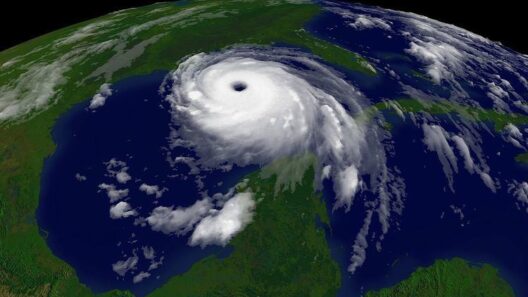
Another fallacy is the notion that climate change is a distant problem, one that will not affect us in our present-day lives. Such thinking creates a dangerous complacency. Climate change has far-reaching implications, from rising sea levels threatening coastal communities to the increased frequency of devastating natural disasters. These phenomena have already manifested globally, impacting food security, water supply, and public health. To regard these issues as abstract problems of the future is to misunderstand the immediacy of the crisis and its pervasive consequences.
To combat the myths surrounding climate change, education is paramount. Initiatives that promote awareness about climate science and sustainability can dispel misinformation and engage communities in informed discussions. Access to factual information and fostering critical thinking will empower individuals to challenge unsubstantiated claims and champion evidence-based approaches in addressing climate change.
Furthermore, grassroots movements play a pivotal role in this discourse. Advocating for climate action at local, national, and global levels encourages individuals to partake in the solution. Collective efforts can lead to significant policy change and the adoption of sustainable practices that mitigate the effects of climate change. The challenge lies not only in debunking myths but also in galvanizing action that reflects an understanding of the urgency of the matter.
In conclusion, the claim that global warming is a hoax is fraught with misconceptions and unsupported assertions. By unraveling these myths through critical discourse, education, and activism, we can foster a society that acknowledges the reality of climate change and takes significant steps towards combating it. The earth is calling for action; ignoring the pleas not only jeopardizes the planet but also the future of humanity.