



Have you ever wondered what our planet will look like in fifty or a hundred years? Will our children and their children have a healthy Earth to inhabit, or will they face an uphill battle against the climate crisis we have set in motion? As stewards of the environment, it is our duty to conserve energy for future generations. By doing so, we can mitigate the catastrophic effects of climate change and create a sustainable legacy. This prompts an intriguing challenge: can we make energy conservation an integral part of our daily lives? Let’s delve into the multitude of ways we can embrace energy conservation.
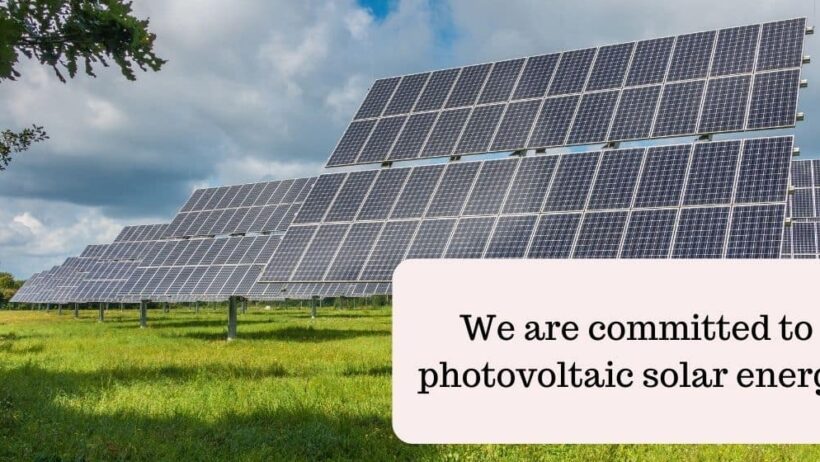
The first step in conserving energy lies in understanding its sources. Globally, energy consumption predominantly stems from fossil fuels—coal, oil, and natural gas. These non-renewable resources not only contribute to greenhouse gas emissions but also deplete natural reserves that could take millions of years to form. Transitioning towards renewable energy sources such as solar, wind, and hydroelectric power is essential. Each of us can advocate for investing in renewable energy infrastructure and research by supporting policies that promote clean energy initiatives. The question lingers: what changes can we implement within our own homes to complement these larger-scale efforts?
One of the most effective strategies individuals can adopt is enhancing energy efficiency within their homes. Simple changes can lead to remarkable results. For example, retrofitting lighting systems to LED technology can substantially reduce energy consumption. According to studies, LED bulbs use up to 75% less energy than traditional incandescent bulbs and last significantly longer. Additionally, homeowners can invest in energy-efficient appliances, which are designed to use less energy while maintaining performance. They could ask themselves: have I considered switching to Energy Star-rated appliances?
Furthermore, insulation plays a crucial role in energy conservation. A well-insulated home minimizes heat loss during winter and prevents excessive heat from entering during summer. Though the upfront investment for insulating one’s home may seem daunting, the long-term savings on energy bills can be substantial. This leads us to another playful query: am I willing to sacrifice short-term comfort for long-term benefits? Exploring energy audits conducted by professionals can also assist in identifying areas of concern within a home’s energy efficiency. Through diligent attention to energy waste, homeowners can create a more sustainable dwelling.
Transportation is another significant contributor to energy consumption. The U.S. transportation sector accounts for about 29% of total greenhouse gas emissions, primarily due to the reliance on gasoline-powered vehicles. To combat this, transitioning toward public transport, cycling, or walking can diminish reliance on fossil fuels. Additionally, carpooling and utilizing ride-sharing services can reduce the number of vehicles on the road, leading to decreased emissions. One might ponder: do I truly need to rely on my car for every trip? By embracing alternative modes of transportation, individuals can reduce their carbon footprint and inspire others to do the same.
Importantly, we must discuss the role of technology in energy conservation. Smart home devices, such as programmable thermostats, allow users to optimize heating and cooling schedules efficiently. These gadgets can learn your habits and adjust settings accordingly, thus saving energy when your home is unoccupied. Moreover, smart meters provide real-time data on energy consumption, enabling users to make informed decisions that could lead to reductions in energy usage. Are we prepared to unlock the power of technology to conserve resources effectively?
Moreover, the concept of lifestyle changes cannot be overlooked. Beyond making adjustments in our homes and transportation, we can also embrace a culture of conservation. This includes mindfulness in everyday activities; for instance, turning off lights when leaving a room or unplugging devices when not in use. Simple habits can evoke substantial effects when practiced collectively. Have we considered the broader implications of our daily choices? Community engagement and education initiatives can further bolster these efforts, encouraging others to adopt sustainable practices as well.
Another facet to consider is the role of businesses and corporations in energy conservation efforts. It is vital for businesses to integrate sustainable practices within their operational models. Corporate responsibility can extend beyond mere compliance with regulations; companies can adopt electric vehicles for their fleets, commit to zero-waste policies, and implement energy-efficient measures in production processes. Consumers, in turn, can prioritize purchasing from brands that demonstrate environmental stewardship. This symbiotic relationship has the potential to create a ripple effect, convincing more businesses to adopt similar practices. Are we, as consumers, making conscious decisions to endorse sustainability?
Societal and governmental support is also paramount in facilitating energy conservation. Governments play a crucial role by implementing policies that incentivize renewable energy use and penalize excessive waste. Subsidies for renewable installations, taxes on carbon emissions, and incentives for energy-efficient upgrades can encourage both individuals and businesses to participate actively in energy conservation efforts. Thus, one must reflect: is my voice being heard in advocating for these initiatives? Engaging in civic activities or supporting organizations that champion environmental policies can amplify our collective push for a sustainable future.
Ultimately, the challenge of conserving energy for future generations requires a multifaceted approach. From changes in personal habits to societal shifts, it beckons our collective responsibility. We stand at a crossroads, armed with knowledge and tools to create lasting change. The actions we take today will resonate across generations, determining the quality of life for those who come after us. The question remains: are we ready and willing to take charge of our energy consumption, for the sake of our planet and future?”