


Climate change, an insidious specter looming over our planet, manifests not only through the warming of the atmosphere but also through the profound upheaval it creates in our ecosystems, economies, and societies. It’s as if the Earth is in a slow-burning fever, with each degree of temperature rise precipitating a cascade of disruptive consequences that reach every corner of human life. The roadmap to mitigate this cataclysmic trajectory requires collective action, innovative solutions, and an unwavering commitment to sustainability. By grasping various strategies across different sectors, we can reclaim the serenity of our environment and harmonize it with human existence.
1. Transitioning to Renewable Energy
The energy sector is the primary contributor to greenhouse gas emissions, acting as the crucible where traditional, fossil-fuel-dependent economies converge. Transitioning to renewable energy sources—such as solar, wind, and hydropower—is not merely a mixed bag of adjustments; it is an essential metamorphosis. Imagine a world where sleek solar panels glisten like modern-day scales on rooftops, harnessing the sun’s radiant power while serving as a symbol of our commitment to sustainable living.
Investment in renewable infrastructure must be prioritized. Governments should incentivize the development of clean energy technologies through subsidies and tax breaks, fostering an environment ripe for innovation. Furthermore, public-private partnerships can catalyze the growth of green energy companies, turning ambitious ventures into operational powerhouses. One by one, communities can reduce their carbon footprints and sever the chains of dependency on fossil fuels.
2. Energy Efficiency and Conservation
While generating clean energy is paramount, it is equally critical to minimize waste. Energy conservation likens to a nurturing gardener who prunes excess branches for optimal growth. From residential homes to sprawling corporations, implementing energy-efficient practices can vastly reduce energy consumption. This encompasses everything from retrofitting buildings with advanced insulation and energy-saving appliances to optimizing manufacturing processes.
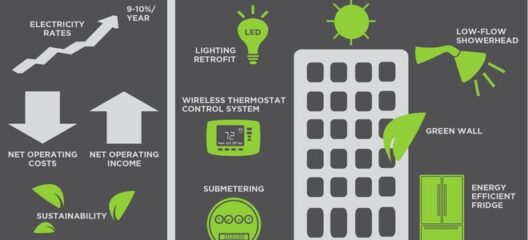
Lighting plays a pivotal role in our energy consumption; the transition to LED bulbs is a small yet significant step that can yield substantial savings. Educational campaigns emphasizing the importance of energy efficiency can empower individuals, equipping them with the knowledge to drive change within their own spheres of influence.
3. Sustainable Transportation
The transportation sector is another prominent offender in the climate equation. The cacophony of honking horns and the pungent aroma of gasoline propel an alarming volume of carbon pollution. To mitigate this, we must re-envision our transportation systems to be more sustainable. The adoption of electric vehicles (EVs) is gaining momentum, with advancements in battery technology enhancing their viability.
Bicycles and public transit offer alternative modes of transportation that can significantly decrease our ecological footprint. Cities can foster a culture of cycling through extensive bike lanes and safe infrastructure while investing in efficient and accessible public transport systems. Thus, as we swap fossil-fueled engines for electric motors, we paint a vision of urban landscapes where fresh air replaces smog.
4. Reforestation and Afforestation
The forests of the world stand as bastions against climate change, absorbing carbon dioxide and producing oxygen in return. When we speak of reforestation and afforestation, we are engaging in a modern-day act of alchemy, transforming barren land into verdant sanctuaries. These initiatives not only sequester carbon but also restore biodiversity and create habitats for countless species.
Collaboration between governments, NGOs, and local communities can garner support for tree-planting campaigns, transforming this endeavor into a collective crusade. Engaging local populations ensures that reforestation efforts are executed with cultural sensitivity and sustainable practices. As the proverbial green mantle cloaks the Earth, our collective responsibility becomes clearer.
5. Promoting Sustainable Agriculture
Agriculture stands at the crossroads of climate impact and food security, wielding the power to heal or harm our planet. Practices such as regenerative agriculture, permaculture, and organic farming can rejuvenate soil health, decrease reliance on synthetic fertilizers, and minimize greenhouse gas emissions. This verdant approach to food production is not limited to the small-scale farmer; industries can adopt similar techniques at larger scales.
By prioritizing local food systems and sustainable practices, we can fortify food sovereignty and foster resilience against climate shocks. Emphasizing plant-based diets, where viable, can also play a crucial role, leading to reduced agricultural emissions and promoting a culture of consciousness surrounding our food choices.
6. Climate Education and Advocacy
Knowledge serves as the bedrock for change. Climate education empowers individuals and communities with the information necessary to advocate for policies that address global warming. Schools should integrate climate science into their curricula, equipping future generations with the tools to navigate and combat environmental issues.
Furthermore, grassroots movements have the potential to amplify collective voices, urging policymakers to enact robust legislation for climate action. The power of social media should not be underestimated; platforms can serve as staging grounds for awareness campaigns and initiatives that galvanize public consciousness. Together, we can cultivate an informed populace ready to demand accountability.
7. Policy Reform and International Cooperation
Finally, the creation of effective climate policy is paramount. Global cooperation is essential to address the transboundary nature of climate change. Countries must commit to reducing emissions through legally binding agreements, supported by transparent monitoring systems and punitive measures for non-compliance.
Multilateral organizations can facilitate dialogue and resource-sharing, ensuring that developing nations have access to technologies and funding necessary for their transition to a low-carbon future. In this interconnected climate tapestry, each nation, rich or poor, has a role to play in crafting sustainable solutions.
In conclusion, fixing climate change is akin to stitching a patchwork quilt—each action, a unique square that contributes to a larger design. By transitioning to renewable energy, enhancing energy efficiency, promoting sustainable transportation, reforesting, embracing sustainable agriculture, advocating for climate education, and reforming policies, we can create a coherent and formidable plan of action. The tapestry of our resolve can weave a robust vision of a sustainable future, where both humanity and nature thrive in symbiosis, ensuring that we leave a habitable planet for generations to come.