

In the symphony of life on Earth, every creature plays a unique instrument, contributing to the harmonious balance of our ecosystem. Yet, as climate change accelerates, the once melodious tune threatens to devolve into a discordant cacophony. Global warming, driven primarily by human activities, is charting a cataclysmic course that endangers countless species. As temperatures rise and habitats alter, animals confront daunting challenges that jeopardize their existence. It is incumbent upon us to explore ways to ameliorate their plight and restore the fragile equilibrium of our planet.
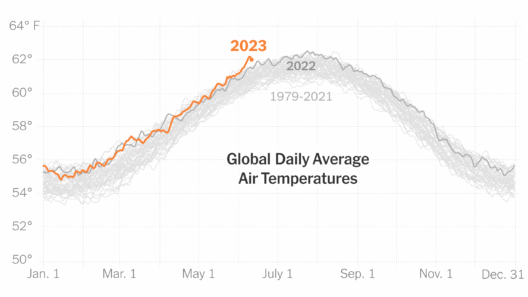
The stark reality of global warming is akin to a relentless tide, encroaching upon the shores of biodiversity. Coral reefs, the vibrant underwater cities that shelter myriad marine species, are bleaching and deteriorating. Birds are migrating earlier in the spring, unsettling the timeline of ecosystems that depend on synchronized interactions. As the temperature creeps ever upward, we must come to grips with the fact that climate change is not a distant threat but a current crisis that requires immediate and resolute action.
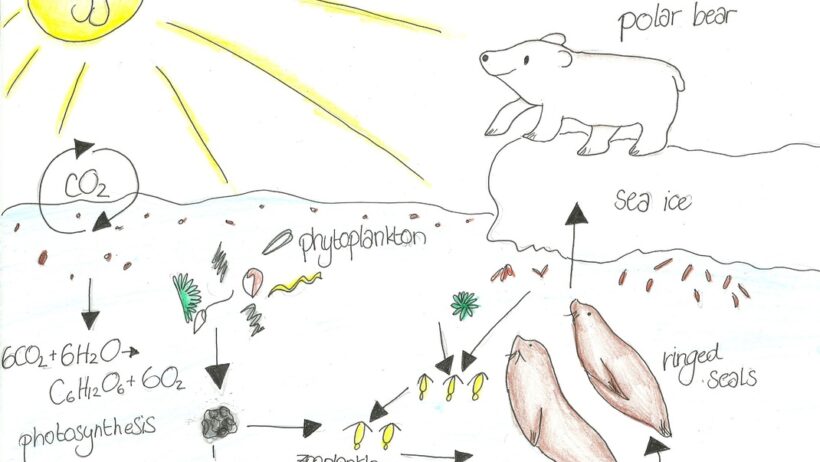
To comprehend the magnitude of this crisis, we must first consider the cascade of effects that global warming unleashes. It is not merely the siesta of polar bears struggling to navigate dwindling ice fields or the plight of koalas succumbing to the scorch of prolonged droughts. Each species responds differently, creating a ripple effect that can disrupt entire ecosystems. For instance, as insects adapt to warmer temperatures and lengthen their active seasons, their predators must either adapt or face starvation. The interdependence of species is a delicate tapestry, and pulling out even a single thread can unravel the entire fabric.
Empathy is the first step toward action. Acknowledging that animals are not isolated entities but integral parts of our shared environment empowers us to take meaningful steps. Conservation efforts can range from local initiatives like creating wildlife corridors to large-scale projects aimed at habitat restoration. These efforts are akin to small stitches in a vast quilt, repairing the patches of our planet’s delicate ecosystems. Milestones of success serve as reminders that each action counts and that collective endeavors often yield tangible results.
The establishment of protected areas is paramount in our strategy to combat the dire consequences of climate change. These sanctuaries provide a refuge for countless species, enabling them to thrive without the pervasive threat of habitat destruction and hunting. National parks and wildlife reserves act as fortresses against the encroachment of urban sprawl and agriculture, proving that when we prioritize preservation, nature responds with resilience. However, safeguarding these areas requires informed policies and community support. Participating in advocacy efforts to protect local wildlife habitats fosters an environment where citizens can rally for the rights of animals.
Equally important is the role of sustainable practices in mitigating climate change and its effects on wildlife. The agricultural industry, for instance, is a significant contributor to greenhouse gas emissions. By adopting sustainable farming techniques, we can reduce our carbon footprint while safeguarding habitats. Permaculture, agroforestry, and organic farming not only promote biodiversity but also enhance soil health and resilience. This approach is akin to a gardener nurturing a vintage vine, ensuring its health thrives through time and adversity. Every small cultivation can lead to substantial changes in our carbon emissions and the preservation of wildlife habitats.
Public awareness and education are essential components in this multifaceted battle. By fostering an understanding of the interconnectedness of all life forms, we can inspire collective action. Educational programs targeted at children and adults alike can ignite passion and stewardship for the environment. Organizing workshops, community clean-ups, and awareness campaigns equips individuals with the tools to influence change in their communities. When knowledge is shared, the roots of activism grow deeper, and advocacy becomes both a personal and collective endeavor.
Moreover, supporting organizations dedicated to wildlife conservation is crucial. NGOs and nonprofits working tirelessly to recover endangered species or restore native habitats depend on the generosity of individuals and businesses. Donating time, funds, or resources to these organizations can significantly amplify their impact. These groups function as crucial lifelines, advocating for policy changes, raising public awareness, and conducting essential research. Every contribution, no matter how small, nourishes the ongoing fight against climate change and supports the resilience of our planet’s inhabitants.
As we journey through this era of unprecedented change, the urgency to innovate and collaborate is paramount. Technological advancements offer promising solutions, providing new ways to safeguard wildlife. From solar energy projects that reduce reliance on fossil fuels to habitat mapping technologies that enhance conservation strategies, innovation can play a pivotal role in addressing climate change. By merging modern scientific insights with traditional ecological knowledge, we can forge more effective paths toward a sustainable future.
In conclusion, the bond between animals and humans is rooted in a shared dependency on the health of our environments. While the specter of global warming looms ominously, our response can become a catalyst for change. Together, through empathy, education, and innovation, we can help rewrite the narrative of climate change. By advocating for sustainable practices and supporting conservation efforts, we not only protect the biodiversity of our planet but reaffirm our commitment to a shared future. Saving our planet’s creatures is not merely an act of charity; it is a necessary endeavor to ensure that the symphony of life continues to echo through the ages, unbroken and resplendent.