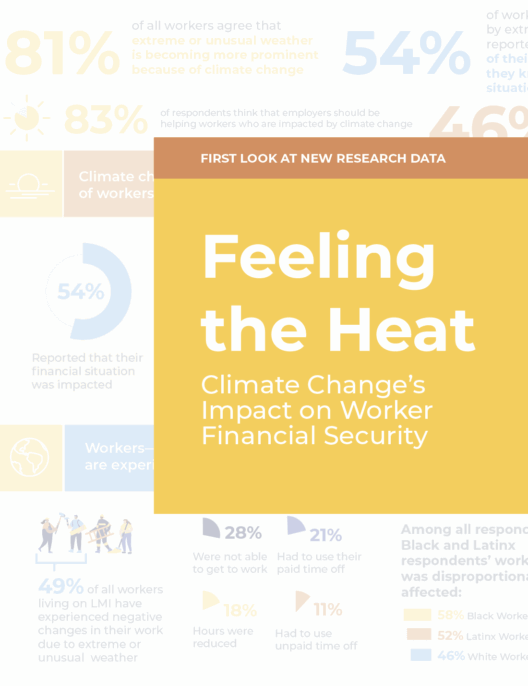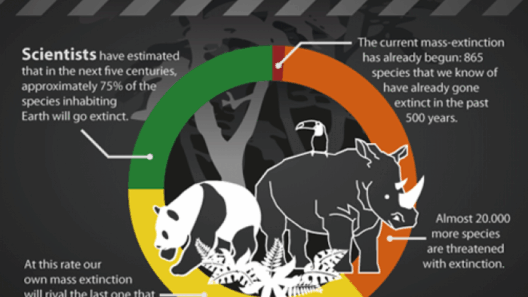


The earth, our delicate blue planet, is a tapestry woven from countless threads—air, water, soil, flora, and fauna. Yet, this intricate masterpiece is fraying at the edges due to the encroaching threat of global warming. As stewards of this world, humanity stands at a crossroads, armed with the ability to mitigate this escalating crisis. This exploration delineates actionable steps designed to stem the tide of climate change and foster a healthier Earth.
To embark on this journey, one must first recognize the gravity of the situation. Global warming, the gradual increase of Earth’s average temperature, is primarily driven by greenhouse gas emissions resulting from human activity. It’s akin to a pot of water slowly coming to a boil—insidious, unnoticed, yet perilously close to reaching a tipping point. The ramifications are multifaceted: from devastating ecosystem disruptions to increased frequency of extreme weather events. Acknowledging these premonitions is the first step toward action.
1. Embrace Renewable Energy
The transition from fossil fuels to renewable energy sources is tantamount to changing a bad habit for the benefit of one’s health. Solar, wind, and hydroelectric power emerge as the champions of this transformation. Harnessing the sun’s rays, the winds’ dance, or the relentless flow of rivers, we can diminish our reliance on carbon-intensive fuels. A single solar panel may seem like a drop in the ocean, but collectively, they can fill seas with clean energy, reducing emissions significantly.
2. Enhance Energy Efficiency
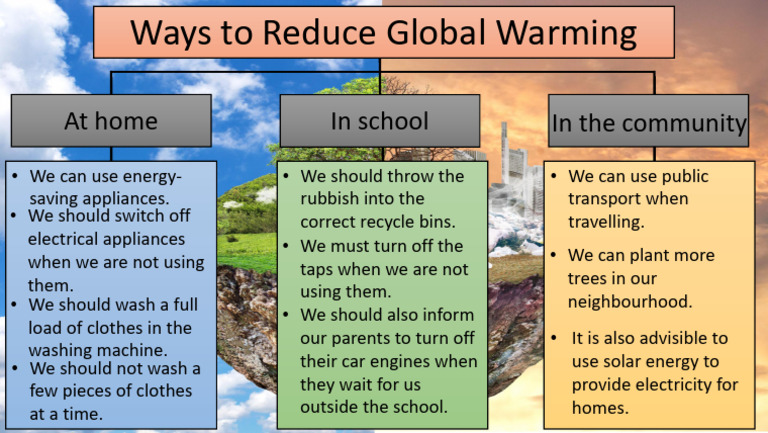
Just as one would tune a finely crafted instrument for optimal sound, enhancing energy efficiency tunes our consumption patterns for the better. From energy-efficient appliances to smart thermostats, optimizing energy use lessens our environmental footprint. The current generation of LED bulbs, for instance, not only illuminate rooms but also lessen the dark shadow of energy waste. By adopting energy-efficient technologies, households and businesses can create ripples of positive change.
3. Advocate for Sustainable Transportation
The modern-day chariot, often powered by fossil fuels, contributes significantly to carbon emissions. However, the quest for sustainable transportation is akin to forging a new route through an untraveled forest. Public transit systems, electric vehicles, and cycling initiatives are pathways toward curtailing our carbon trail. Carpooling and ridesharing also offer communal solutions, weaving together communities while significantly lowering per capita emissions.
4. Support Regenerative Agriculture
Imagine agriculture as a living organism, where every crop nurtures the soil and every animal contributes to an ecological balance. Regenerative agriculture encapsulates this philosophy, emphasizing farming practices that enrich rather than deplete. Techniques such as crop rotation, agroforestry, and permaculture foster biodiversity, resurrect soil health, and sequester carbon. Choosing to support local farms that adopt these methods is equivalent to planting seeds for the future.
5. Reduce, Reuse, Recycle
This tripartite mantra succinctly captures the essence of waste management. Envision waste as a phoenix, capable of rising anew. By reducing consumption, reusing materials, and recycling waste, households can significantly decrease the amount of trash that finds its way into landfills. Composting organic waste further enriches the soil—transforming scraps into nutrients, helping to close the loop in our consumption cycle.
6. Forest Conservation and Restoration
Forests are the lungs of our planet, breathing life into the atmosphere. Yet, they are under siege. Often thought of as mere woodlands, forests are intricate ecosystems that offer sanctuary to myriad species and store carbon. Protecting existing forests and engaging in targeted reforestation projects are critical steps in our fight against global warming. Every tree planted is a symbolic act of resistance against the onslaught of climate change.
7. Water Conservation
Water, the essence of life, is under threat. Droughts and scarcity haunt many regions, with warming temperatures exacerbating the dilemma. Conserving water is vital; it can be as simple as fixing leaks, employing water-efficient fixtures, or harvesting rainwater. By cherishing this resource, we not only protect our ecosystems but also curb energy consumption, as energy and water are intrinsically linked in the lifecycle of production.
8. Policy Advocacy and Community Engagement
As the age-old adage goes, “Strength lies in numbers.” Individual actions are paramount, yet systemic change amplifies their impact. Engaging with local representatives ensures that climate-conscious policies take center stage. From advocating for renewable energy mandates to supporting sustainable urban planning, active participation galvanizes community will toward climate action. Join forces with local environmental organizations, making your voice heard in the cacophony of plethoric interests.
9. Educate and Inspire
Knowledge is a powerful catalyst for change. By educating ourselves and others, we can light the spark of awareness and action. Share insights about innovative technologies, sustainable practices, and the imperatives of climate action through community workshops or social media. Enlightening conversations can motivate neighbors, friends, and family to embark on their journeys toward sustainability, transforming ripples into waves.
In conclusion, the path to reducing the impact of global warming is paved with conscious choices and collective effort. It is a labyrinth with numerous avenues, yet every step taken toward sustainability, no matter how small, contributes to the overarching narrative of healing our planet. As we navigate this intricate web of responsibility, it is incumbent upon each of us to act decisively—not merely for our generation but for those yet to come. Each action we take, every decision we make, nudges the scale toward a healthier Earth.