


In the vast tapestry of human understanding, few threads are as vital as our comprehension of climate change and its ramifications. To deny global warming is akin to gazing at a storm on the horizon and proclaiming it mere illusion. While skepticism is a natural consequence of inquiry, the unfounded dismissal of climate change is not merely misguided; it is dangerously naive. Through a considered exploration of scientific consensus, empirical evidence, and the metaphoric richness of our planet, one can unravel the tapestry of disbelief woven by skeptics.
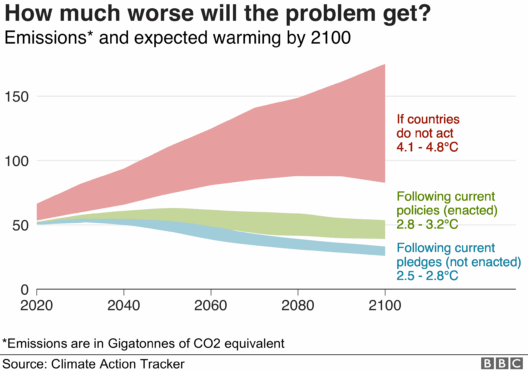
The crux of the matter begins with established facts. The Intergovernmental Panel on Climate Change (IPCC), a body convened by the United Nations, harnesses the expertise of thousands of climate scientists. Their reports are comprehensive, syntheses of global research that illuminate an undeniable truth: the planet is warming. The Earth’s average surface temperature has risen approximately 1.2 degrees Celsius since the late 19th century, primarily due to anthropogenic greenhouse gas emissions. To dismiss this as mere fluctuation in temperature akin to seasonal changes is to ignore the intricate mechanics of our atmosphere.
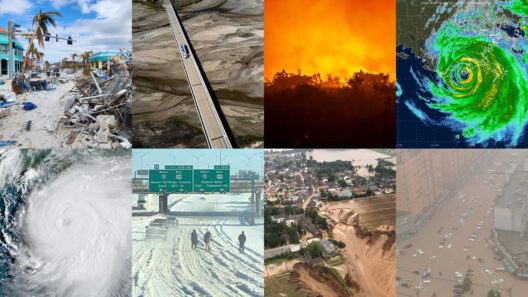
Consider, for a moment, the Earth as a finely tuned musical instrument. Each note—each temperature fluctuation—exists in harmony with the other. Any deviation strays dangerously close to dissonance. Elevated temperatures result not only in warmer weather; they orchestrate catastrophic consequences such as rising sea levels, extended droughts, and intensified storms. The metaphoric resonance of our planet’s climate reveals that every action has a reaction, much like a pebble creating ripples across a tranquil pond.
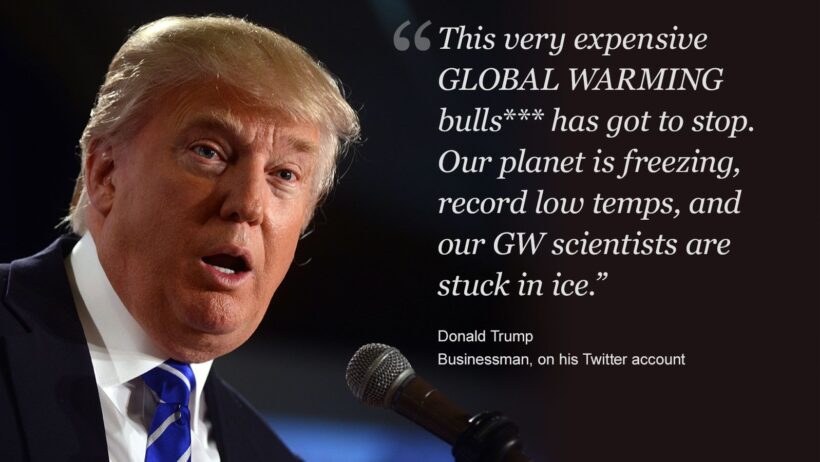
Furthermore, the skeptics often cling to a semblance of balance, promoting the notion that climate change, if real, has always existed in tandem with Earth’s history. This argument misses the salient distinction between natural variability and the anthropogenic acceleration of climate change. Earth has experienced periods of warming and cooling over millennia, yet the rapid increase we witness now, largely fueled by human activities, is unprecedented in the context of natural cycles. The analogy here is that of a patient experiencing a mild fever; if untreated, a mild case can worsen and pose significant risks. Our planet’s fever is no different—it demands our attention and urgency.
Moreover, the “sunspot theory” often propounded by skeptics evokes critical examination. While fluctuations in solar activity undeniably influence Earth’s climate, the overwhelming majority of climatologists debunk the idea that these variations alone account for the warming observed in recent decades. Such arguments represent cherry-picking scientific evidence to fit an ideological palate—a practice that undermines the pursuit of objective truth.
The unique appeal of the climate discourse also lies in the complex interrelation of ecosystems. Changes in temperature and precipitation patterns spell dire consequences for biodiversity. Extinction rates are accelerating at a rate unprecedented in human history, likened to natural events that occurred millions of years ago. The metaphoric butterfly effect illustrates how a seemingly trivial change in one ecosystem reverberates through the global tapestry of life. If the bees disappear, for instance, the resulting pollination crisis can severely disrupt food chains worldwide.
Historical precedent further supports the argument against skepticism. The somber reality of the Dust Bowl in the 1930s serves as a case study. Poor agricultural practices, compounded by severe drought conditions, precipitated ecological disaster. Today’s climate change creates conditions that could mirror such catastrophes, and yet skeptics persist in denying the connection. Understanding history is pivotal in recognizing the patterns that often repeat themselves, and our collective memory serves as a sobering reminder of the costs of negligence.
Economic implications provide yet another lens through which to challenge skepticism. The costs of inaction are staggering, with estimates indicating that climate-driven disasters and subsequent recovery could cost economies trillions. Transitioning to sustainable energy sources not only mitigates climate change but also opens avenues for economic growth through innovation and job creation. The metaphor of the phoenix rising from the ashes aptly captures this opportunity; by embracing change, society can disentangle itself from fossil fuel dependency, fostering a robust, sustainable economic future.
Engagement in discourse is paramount. A chorus of voices advocating for climate action amplifies the message and fosters awareness. Each individual contribution, much like drops of rain, collectively forms a deluge capable of nurturing change. Skepticism can be countered with education, not hostility, and cultivating informed associations is essential for nurturing collective understanding. Community involvement, grassroots movements, and the sharing of knowledge create a fertile ground through which awareness can flourish.
In conclusion, the denial of global warming is a notion as unfathomable as disregarding the existence of gravity. The scientific evidence is irrefutable, the consequences of inaction are grave, and the time for concerted action is now. Humanity stands at a pivotal crossroads, not merely as inhabitants of Earth but as custodians of its future. The challenge is formidable, but together, with an unwavering commitment to truth and coexistence, the tapestry of our world can be woven anew. In the face of skepticism, let us embrace the light of knowledge, for it is therein that hope and transformation reside.