


Climate change and biodiversity are inextricably linked, forming a dynamic relationship that is as complex as it is crucial. If you ponder, should we consider nature as an invitation for dialogue or a refugee for survival amidst the turmoil of climate change? As the planet warms, profound alterations ensue in every ecosystem, from the most tenacious of the deserts to the resplendent depths of the oceans. This interdependence calls for a critical examination of how these two global crises affect one another and underscores an urgent need for integrated solutions.
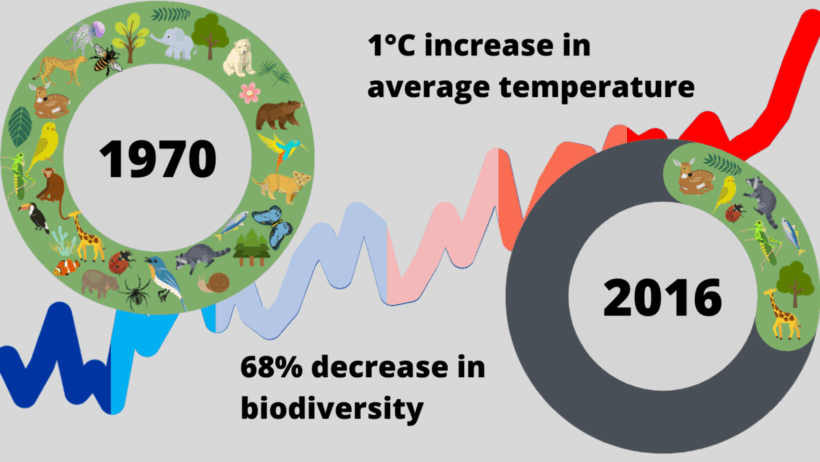
Climate change manifests itself through global warming, extreme weather events, and shifting climate patterns, each factor wielding significant influence over biodiversity. The average global temperature has risen markedly due to greenhouse gas emissions, altering habitats and displacing myriad species. Species that have long thrived in specific climates find themselves grappling with unfamiliar environmental conditions. A glaring evidence of this shift is the migration patterns of various avian species that have been documented shifting poleward as they seek favorable conditions. Can we afford to remain indifferent as entire communities of flora and fauna are uprooted from their natural habitats?
As we delve deeper, we must consider that biodiversity is not merely a luxury our planet can afford; it is a vital cog within the intricate wheel of ecosystems. Biodiversity supports ecosystem services such as pollination, water purification, and nutrient cycling. When climate change destabilizes these ecosystems, the very foundation of our food security, clean air, and water is under siege. Understanding the interconnectedness of climate systems and biodiversity is essential for framing effective policy measures and fostering resilience.
One cannot overlook the role of habitat destruction exacerbated by climate change. The suffering of ecosystems is not isolated. Tropical rainforests, often hailed as the lungs of the Earth, are not only shrinking due to logging and agriculture but are also increasingly vulnerable to shifting weather patterns. As forests become drier and temperatures rise, their capacity to support diverse wildlife diminishes, resulting in an alarming increase in extinction rates among specialized species. A ripple effect emerges; the loss of a single species can destabilize an entire ecosystem. Have we considered how the extinction of bees, those meticulous pollinators, could resonate across our food systems, fundamentally altering the fruits and vegetables available on our tables?
The oceans, too, are not exempt from this crisis. Ocean warming and acidification pose severe threats to marine biodiversity. Coral reefs, often referred to as the rainforests of the sea, are succumbing to bleaching events that correspond with temperature increases. Overfishing and habitat loss compound the adverse effects of climate change, putting immense pressure on fish populations and the communities that rely on them. Notably, the extinction of any marine species reverberates through the food web, affecting not only other marine life but also human populations dependent on these resources for their livelihoods. Are we prepared to face a future where the oceans brim with absence rather than diversity?
In terrestrial environments, the implications of climate change extend to flora, where changing rainfall patterns disrupt seasonal growth cycles. In temperate zones, the alteration of spring can lead to mismatches between plant and pollinator life cycles, reducing reproductive success for several plants. Furthermore, the encroachment of invasive species, often exacerbated by climate fluctuations, poses a significant risk to endemic species. These invaders tend to thrive in disturbed ecosystems, leading to cascading effects that can eliminate local biodiversity. The challenges present us with urgent questions: How do we redevelop our ecosystems to combat these invasions? What role does human intervention play in restoring balance?
The sociopolitical dimensions of climate change and biodiversity loss cannot be overlooked either. Inequitable resource distribution often leads to heightened vulnerability for marginalized communities, particularly those that depend directly on natural resources for survival. The scramble for dwindling resources frequently incites conflict, propelling a cycle of destruction and loss that further devastates biodiversity. Therefore, efficient conservation strategies must embrace social equity, recognizing that the fight for biodiversity is as much about people as it is about nature. Are we willing to redefine our conservation ethos to uplift those at the intersection?
Furthermore, global initiatives aimed at addressing climate change must not sidestep biodiversity considerations. The concept of “Nature-Based Solutions” is gaining traction, advocating for approaches that incorporate ecosystem services directly into climate mitigation strategies. This could take the form of restoring degraded ecosystems, implementing sustainable agricultural practices, or investing in community-led conservation efforts. By positioning biodiversity at the epicenter of climate action, we can cultivate resilience not just in nature, but also in the human society that depends on it. Is it not our moral obligation to ensure the integrity of the ecosystems from which we derive our sustenance?
In conclusion, the interplay between climate change and biodiversity represents a multifaceted crisis that calls for urgent, comprehensive action. Addressing these intertwined challenges necessitates a paradigm shift in our response strategy – one that prioritizes the symbiotic nature of ecosystems and societies alike. Each small action can reverberate into a tsunami of change, echoing through our forests, oceans, and communities. The time to blend our approaches is now. Wouldn’t it be wiser to tackle climate change and biodiversity loss as two sides of the same coin, rather than segregating our efforts into silos? Only through a harmonized strategy can we aspire to avert a future devoid of the vibrancy that biodiversity brings to our planet.