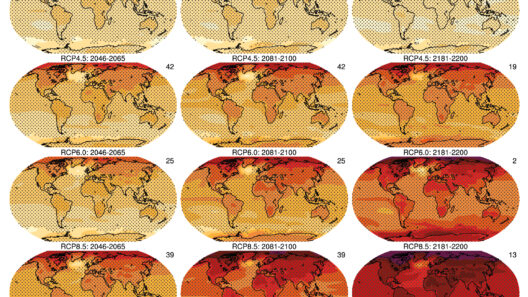



Air conditioning systems are ubiquitous in modern society, providing comfort from the sweltering heat during the summer months. However, the convenience of cool air comes with an often-overlooked price—air conditioners are significant contributors to global warming. As temperatures rise due to climate change, the demand for these cooling systems increases, leading to a vicious cycle of environmental degradation. This discourse aims to elucidate how air conditioners exacerbate global warming and explores alternative cooling solutions that align with environmental sustainability.
The primary mechanism by which air conditioners contribute to global warming lies in their energy consumption and the usage of refrigerants. Most air conditioning units operate using electrical systems that rely on fossil fuels, emitting greenhouse gases (GHGs) during electricity generation. Power plants that burn coal, oil, or natural gas release large amounts of carbon dioxide (CO₂), which is one of the most significant contributors to climate change. In the United States, over 30% of total greenhouse emissions come from electricity production, a considerable portion of which is consumed by residential and commercial cooling systems.
Additionally, the refrigerants contained within air conditioning units pose grave risks to the atmosphere. Traditional refrigerants, such as hydrofluorocarbons (HFCs), have a high global warming potential (GWP), making them thousands of times more potent than carbon dioxide in trapping heat in the atmosphere. Although newer regulations aim to phase out these harmful substances, many older units still in use continue to emit HFCs. When air conditioners leak or are improperly disposed of, these potent gases enter the atmosphere, exacerbating the greenhouse effect and contributing to the warming climate.
As we consider the environmental cost of air conditioning, it is essential to recognize the growing demand for these systems globally. In many developing countries, rising temperatures, driven by climate change, are leading to an increase in the adoption of air conditioning technologies. The trend signifies a troubling paradox: as the globe warms, more people will seek relief through cooling systems, further intensifying the climatic crisis. According to projections, the number of air conditioners worldwide is expected to surge to 5.6 billion by 2050. This proliferation raises pressing questions about energy management, sustainability, and the collective responsibility to curb climate change.
The phenomenon of urban heat islands also accentuates the adverse effects of air conditioning on the environment. Urban areas tend to be warmer than their rural counterparts due to human activities and infrastructure. The widespread use of air conditioning exacerbates this effect, as the systems expel heat into the environment, further raising local temperatures. This scenario leads to increased energy consumption, creating a feedback loop that not only compounds the demand for cooling but also increases the energy required to operate air conditioning units.
With acute awareness of the implications of air conditioning on climate change, we are compelled to seek innovative alternatives. Passive cooling techniques, such as architectural design that maximizes natural ventilation and thermal mass, provide viable solutions to mitigate heat without relying on energy-intensive cooling systems. For example, strategically placed windows, shades, and insulation can significantly enhance indoor comfort, reducing reliance on air conditioning.
Another sustainable approach involves the adoption of greener cooling technologies. Evaporative coolers, for instance, utilize a natural process to cool air by drawing warm air through water-saturated pads, reducing indoor temperatures with minimal energy use. This method requires considerably less electrical power than conventional air conditioning systems, making it more environmentally friendly.
Moreover, the transition to renewable energy sources—solar, wind, and hydroelectric power—can alleviate the burden that air conditioning places on the environment. By increasingly powering cooling systems with clean energy, we can significantly cut the carbon footprint associated with electrical consumption. Incentivizing energy-efficient appliances and promoting the use of modern cooling technologies, such as variable refrigerant flow (VRF) systems, is crucial in changing the landscape of air conditioning in a sustainable direction.
Behavioral changes also play a vital role in this transition. Educating consumers about energy conservation practices, such as setting air conditioning thermostats at a higher temperature or utilizing programmable thermostats, can lead to substantial reductions in energy consumption. Encouraging the synchronization of cooling needs with outdoor temperatures can also benefit both individual households and the environment collectively. Simple actions like closing blinds during peak sunlight hours or adopting lighter-colored roofing materials can create substantial impacts on cooling demands.
The challenge of balancing comfort with ecological responsibility is daunting, yet it is crucial for the health of our planet. Collective efforts toward a sustainable future require the commitment of individuals, businesses, and governments alike. The daunting realization that our cooling comforts are contributing to global warming should spark curiosity and a desire for change. This shift in perspective is pivotal—it urges us to examine every aspect of our lives, including the unseen environmental cost of the air conditioning units that cool our homes.
In conclusion, air conditioners are salient contributors to global warming through their energy consumption patterns and the environmental impact of their refrigerants. Recognizing this challenge impels us to explore sustainable solutions that will help mitigate climate change. By adopting passive cooling techniques, embracing renewable energy, and modifying our habits, we can enjoy relief from the heat without compromising the health of our planet. Addressing the pressing issues related to air conditioning and its consequences is not merely an environmental obligation; it is an ethical imperative for future generations.