


In the wake of climate change and rising energy costs, the conversation surrounding energy-efficient appliances has become increasingly pertinent. These devices represent not just a trend but a fundamental shift in how we approach energy consumption in our homes. Understanding how energy-efficient appliances aid in conserving energy is essential for anyone looking to decrease their ecological footprint while saving money. This guide aims to elucidate the various advantages of embracing energy-efficient technology in your residence.
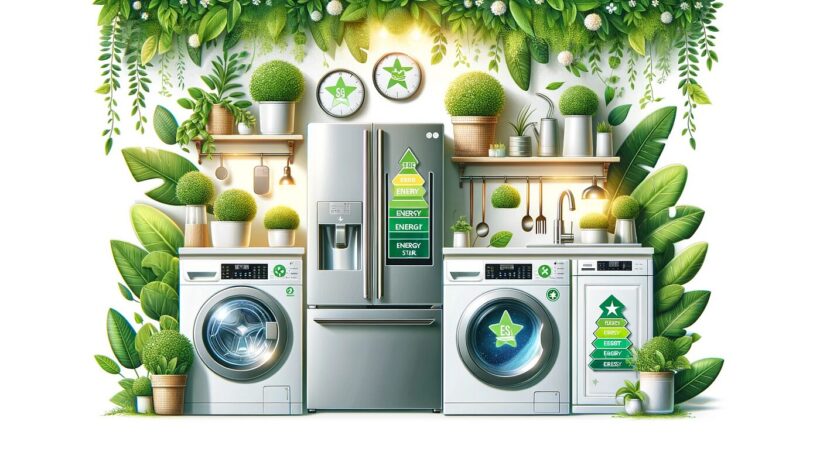
At the core of energy efficiency is the principle of using less energy to perform the same task. Energy-efficient appliances are designed to reduce energy waste and operate with superior technology compared to their traditional counterparts. For instance, while a conventional refrigerator may consume upwards of 800 kWh per year, an ENERGY STAR-rated model can often function using less than 500 kWh. This dramatic reduction is achieved through enhanced insulation and advanced temperature controls, which optimize performance while minimizing energy usage.
One of the most compelling motivations to transition to energy-efficient appliances is their impact on energy bills. By consuming less electricity, these appliances can drastically lower monthly expenses for the homeowner. Although the initial purchase price may be higher, the savings accrued over time—from reduced utility bills—often outweigh the upfront costs. Homeowners often discover that their investment in energy-efficient appliances not only pays for itself but also continues to generate savings well into the future.
Beyond financial savings, it is crucial to consider the environmental implications of energy consumption. The aggregate impact of millions of households utilizing energy-efficient appliances translates to staggering reductions in greenhouse gas emissions. Reduced energy consumption means less reliance on fossil fuels, which are typically used to generate electricity. This shift contributes to a decrease in air pollution and a lower carbon footprint, reinforcing the notion that each household has a role to play in combating climate change.
Moreover, energy-efficient appliances often incorporate innovations that contribute to overall performance improvements. For instance, dishwashers with advanced sensing technology can determine the soil level of dishes and adjust water usage accordingly. This means less water waste and a more effective clean, showcasing that efficiency can go hand in hand with superior utility.
Some may wonder: How do these appliances achieve such remarkable efficiency? The design incorporates a myriad of advancements that target energy waste at every level. Take, for example, washing machines. Modern models utilize high spin speeds and optimized wash cycles that minimize water usage. These machines can achieve excellent cleaning results while using significantly less energy and water. The adoption of front-loading designs also contributes to less energy expenditure, as they are inherently designed to require a lower volume of detergent and water.
Efforts towards energy efficiency extend beyond specific appliances; they advocate for a broader ethos of sustainability. A smart home equipped with energy-efficient appliances creates an automated orchestration of energy consumption. Smart thermostats can monitor energy use in real-time, adjusting settings based on personal routines and preferences. The integration of smart technology with energy-efficient systems allows homeowners to receive notifications and insights, fostering informed choices and behaviors that further reduce energy waste.
It’s pertinent to draw attention to the importance of the ENERGY STAR label when selecting appliances. Products adorned with this label meet stringent guidelines set by the U.S. Environmental Protection Agency, ensuring that they are among the top tier in energy efficiency. However, savvy consumers must not merely rely on labels; understanding the specifications and functionalities of each product enhances the decision-making process. Techniques such as comparing the annual operating costs and energy consumption ratings empower individuals to make discerning choices that resonate with their sustainability goals.
As the discussion of energy-efficient appliances unfolds, the concept of lifecycle assessment becomes relevant. Thinking about the environmental impact of an appliance extends beyond its operational phase to encompass materials, manufacturing processes, and eventual disposal. Selecting products made from sustainable materials with robust recyclability programs can amplify the environmental benefits. Such considerations foster a holistic approach to energy efficiency, emphasizing the importance of sustainability throughout the entire lifecycle of an appliance.
Transitioning to energy-efficient appliances often evokes tension—the desire for performance versus the necessity of conservation. However, the evolution of technology has produced a myriad of solutions that satisfy both demands. Induction cooktops, for instance, excel in delivering precise temperature controls while consuming significantly less energy than traditional electric or gas ranges. Similarly, smart refrigerators equipped with features that monitor expiration dates help minimize food waste, indirectly contributing to energy conservation across the supply chain.
In conclusion, energy-efficient appliances facilitate an essential paradigm shift in energy consumption practices. They promise a future where financial savings, enhanced performance, and environmental sustainability coexist. The path towards a more energy-conscious lifestyle presents exciting opportunities for innovation and responsible consumerism. As individuals take the initiative to integrate these technologies into their homes, they initiate a ripple effect—an inspiring movement towards a more sustainable future. The imperative to conserve energy is greater than ever, and the choices made today lay the groundwork for generations to come. Embracing energy-efficient appliances is not merely a choice; it is a commitment to being stewards of the planet, fostering a healthful interaction between modern convenience and ecological integrity.