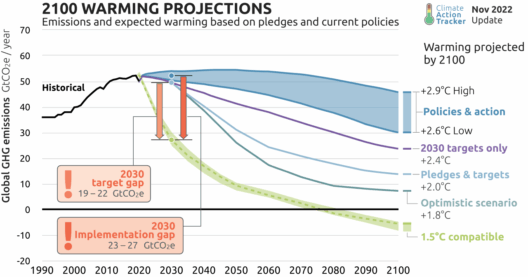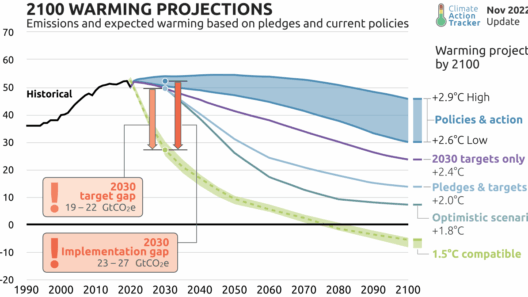




Global warming is a pressing issue that extends far beyond the burning of fossil fuels. While fossil fuel combustion is a significant contributor to greenhouse gas emissions, a multitude of human actions exacerbates climate change in intricate and often overlooked ways. Understanding these additional factors is crucial for developing holistic environmental strategies and policies. This discourse delves into various human activities that contribute to global warming, exploring their mechanisms and implications.
Agriculture: Methane and Nitrous Oxide Emissions
Agricultural practices are paramount in exacerbating climate change, primarily through the emission of potent greenhouse gases such as methane (CH4) and nitrous oxide (N2O). Livestock farming, especially ruminants like cows and sheep, produces significant methane emissions during digestion, a process known as enteric fermentation. Moreover, manure management and over-application of fertilizers release nitrous oxide—another greenhouse gas with a warming potential up to 298 times that of carbon dioxide over a century. The intensive use of nitrogen-based fertilizers also contributes to soil degradation and water pollution, leading to ecological imbalances.
Deforestation: The Carbon Sink Dilemma
Deforestation poses a dire threat to the planet’s climate equilibrium. Forests serve as vital carbon sinks; they sequester immense amounts of CO2 through photosynthesis. The destruction of these ecosystems for agricultural land, urban development, or logging releases stored carbon back into the atmosphere, exacerbating global warming. The resultant loss of biodiversity also impacts ecosystem resilience, making it increasingly difficult for natural systems to adapt to changing climates or to mitigate further greenhouse gas emissions.
Land Use Changes: Urbanization and Habitat Destruction
The expansion of urban environments leads to significant land use changes that directly influence climate patterns. Urbanization often entails replacing natural landscapes with impervious surfaces, which not only increases heat absorption but also alters local hydrology. This phenomenon, known as the “urban heat island effect,” exacerbates temperature increases in metropolitan areas. Furthermore, encroachment into natural habitats results in biodiversity loss and diminishes ecosystems’ capacity to cope with climate stressors.
Industrial Processes: Emissions Beyond Energy
Various industrial processes contribute to global warming through the release of greenhouse gases beyond those emitted during fossil fuel combustion. Cement production, for instance, is one of the largest sources of CO2 emissions, accounting for approximately 8% of global emissions. The manufacturing of chemicals, metals, and plastics also releases a range of greenhouse gases, including hydrofluorocarbons (HFCs) and perfluorocarbons (PFCs), which possess significant global warming potential. The cumulative impact of these emissions exacerbates the climate crisis, necessitating innovative industrial practices and stringent regulatory frameworks.
Waste Management: Landfills and Methane Production
Waste management practices significantly contribute to the global warming crisis through the generation of methane emissions. When organic waste decomposes in landfills under anaerobic conditions, methane is produced. This potent greenhouse gas escapes into the atmosphere, where it can persist for a decade before being oxidized to CO2. Inefficient waste management practices exacerbate this issue, highlighting the need for systemic changes in how society approaches waste, including increased recycling and composting initiatives.
Energy Production: Beyond Fossil Fuels
Energy production is often equated with fossil fuel use; however, the process involves various practices that contribute to climate change. The extraction and processing of resources, such as natural gas and oil, can release methane through leaks at extraction sites and in pipelines. Hydroelectric power, while often considered a clean alternative, can result in significant methane emissions, particularly from reservoirs created by damming rivers. This underscores the necessity of scrutinizing all energy sources and their complete lifecycle emissions.
Consumer Behavior: Demand-Driven Emissions
Human consumer behavior plays an equally pivotal role in driving climate change. The thriftiness in purchasing habits, the shift towards fast fashion, and the incessant demand for new technological gadgets contribute to greenhouse gas emissions throughout the supply chain. Each product created entails energy consumption, transportation emissions, and waste generation. Therefore, fostering a culture of sustainability regarding consumption patterns is critical for mitigating the industry’s impact on climate change.
Transportation: Emission Patterns Beyond Cars
While personal vehicles are commonly discussed in relation to transportation emissions, a broader examination is warranted. The global transportation sector, encompassing shipping, aviation, and public transportation, collectively contributes a staggering share of greenhouse gas emissions. Ships and airplanes release significant amounts of CO2 and nitrogen oxides into the atmosphere. Therein lies the need for innovative solutions such as electrification of transport, the use of biofuels, and enhancements in public transport infrastructure to effectively reduce emissions across the sector.
Climate Policy and Collective Action
To combat these multifaceted issues, robust climate policies are essential. International agreements, like the Paris Agreement, call for collective action to limit global temperature increases. Local initiatives can promote sustainable practices, support agricultural innovation, and incentivize renewable energy sources. Moreover, public awareness campaigns are crucial for educating individuals about their ecological footprints and the collective action necessary to mitigate climate change. Every contributor to climate change must be addressed holistically, recognizing that systemic change is required to initiate lasting solutions.
In conclusion, tackling global warming necessitates a comprehensive approach that considers the myriad human activities beyond fossil fuel consumption. Through understanding and addressing these diverse factors—agriculture, deforestation, land use changes, industrial processes, waste management, energy production, consumer behavior, transportation, and policy—society can begin to forge a sustainable path forward. Only through concerted, informed actions can we hope to mitigate the adverse effects of climate change and protect our planet for future generations.