

Introduction
Have you ever noticed how hot it feels in the summer? Or why winters sometimes don’t seem very cold? These changes in our weather are part of a larger issue called global warming. It’s like our planet is getting a big, cozy blanket, but this blanket is causing serious problems. In this kid-friendly guide, we’ll explore how humans can actually cause global warming and why it matters. Grab your explorer hat and get ready for a journey through the facts!
What is Global Warming?
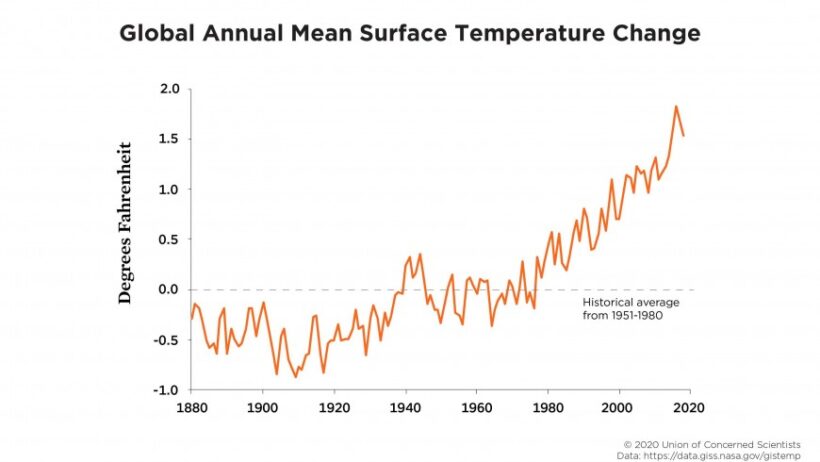
Global warming is the gradual increase in the Earth’s average temperature. Imagine if your favorite toy became too hot to play with—it would not be fun, right? Similarly, our planet is becoming warmer, which affects everything from the environment to our weather patterns. Global warming is primarily caused by an increase in certain gases in the atmosphere.
The Role of Greenhouse Gases
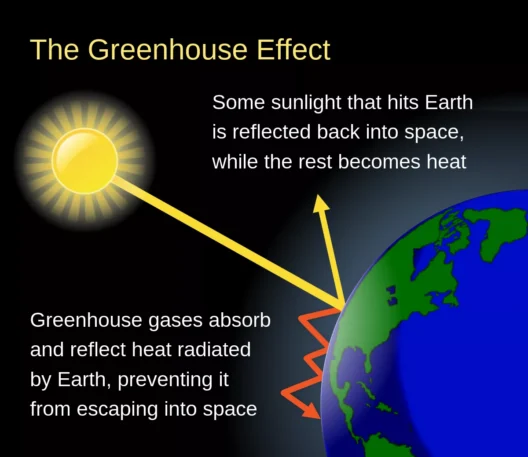
At the heart of global warming are greenhouse gases. These gases trap heat in the atmosphere, much like a greenhouse keeps plants warm. The most common greenhouse gases include:
- Carbon Dioxide (CO2): This gas comes from burning fossil fuels such as coal, oil, and natural gas. When we drive cars, run factories, or generate electricity, we release CO2 into the air.
- Methane (CH4): This gas is emitted mainly by livestock, especially cows, as they digest food. Methane also comes from landfills where organic waste decomposes without oxygen.
- Nitrous Oxide (N2O): This can be produced from fertilizers used in farming and other industrial processes. It is much more potent than CO2 in trapping heat.
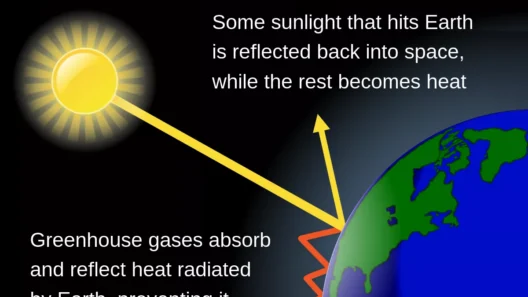
When these gases enter the atmosphere, they create a thickened layer that traps heat, leading to an overall increase in temperature. It’s like wearing too many layers of clothing in the summer—eventually, you’re going to overheat!
How Do Our Activities Contribute?
Now that we understand greenhouse gases, let’s look at our everyday activities that contribute to this problem:
- Transportation: Cars, buses, trucks, and airplanes rely on fossil fuels. Every time we take a trip, especially in a gas-powered vehicle, we help pump more CO2 into the atmosphere. Consider taking the bus, biking, or walking instead.
- Energy Production: Many power plants produce electricity by burning fossil fuels, releasing significant amounts of CO2. Switching to renewable energy sources like wind, solar, or hydroelectric power can help reduce this pollution.
- Deforestation: Trees are fantastic at absorbing CO2. However, when forests are chopped down for farming or urban development, not only do we lose oxygen producers, but even more CO2 is released as trees decay or are burned.
- Waste Management: Landfills can emit methane, especially when organic waste, like food scraps, decomposes. Recycling and composting can reduce this impact, keeping our planet cooler.
The Effects of Global Warming
As the planet continues to warm, unusual changes are taking place. These changes can be observed in several ways:
- Extreme Weather: Hotter temperatures can lead to more intense storms, droughts, and heavy rainfall. This can damage homes, displace people, and disrupt wildlife.
- Rising Sea Levels: As glaciers and ice caps melt, sea levels rise, threatening coastal cities and habitats. Cities like New York and Miami are particularly vulnerable.
- Ecosystems Under Threat: Many plants and animals are struggling to adapt to rapid weather changes. Species might move to colder areas, while others may become endangered or extinct.
Why Should We Care?
Global warming isn’t just an environmental issue; it impacts our health, food, and security. Here are some reasons why it’s essential to care:
- Health Risks: Increased temperatures can lead to health problems like heat stroke or respiratory issues due to poor air quality.
- Food Supply: Disrupted weather can affect crop yields, leading to food shortages and rising prices.
- Future Generations: We owe it to future kids to take care of the planet. It’s our responsibility to leave them a safe, habitable Earth.
What Can We Do?
The good news is that there are many simple actions we can take to combat global warming:
- Reduce, Reuse, Recycle: Remember the three R’s when using resources. We can save materials and energy by rethinking how we consume.
- Use Energy Wisely: Turn off lights when they’re not needed, unplug devices, and consider using energy-efficient appliances.
- Plant Trees: Trees absorb CO2, so planting more trees and supporting reforestation initiatives can help improve air quality.
- Spread Awareness: Talk to your friends and family about climate change. The more we share our knowledge, the more others can help.
- Support Renewable Energy: Advocate for policies that promote solar, wind, and other renewable energy sources in your community.
Conclusion
Global warming is a complex issue, but with understanding comes empowerment. As we’ve learned, our actions have a direct impact on the planet’s health. By being mindful and taking action, we can help our Earth recover from climate change so that everyone can enjoy a brighter, cooler future. Remember, small steps can create a big difference! Let’s work together to keep our planet safe and sound!