
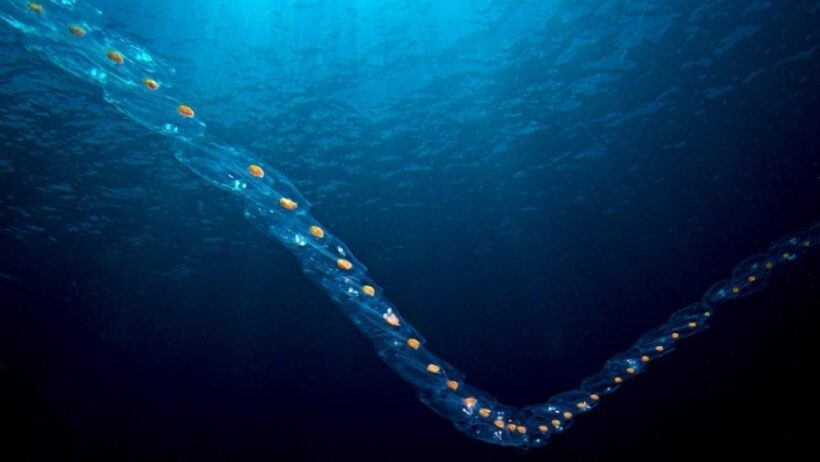

In the vast expanse of the ocean, jellyfish and sea spiders offer mesmerizing glimpses into the intricacies of marine life. These enigmatic creatures have evolved remarkable strategies to conserve energy, enabling them to thrive in often challenging environments. As silent witnesses to the rhythms of the sea, their adaptations not only enhance their survival but contribute to vital ecological processes. Understanding the mechanisms by which these organisms conserve energy provides insights into their roles within marine ecosystems and highlights the overarching connection between life in the ocean and the health of our planet.
Jellyfish, commonly perceived as ethereal floaters, belong to the phylum Cnidaria. Their gelatinous bodies are over 90% water, which reduces their overall density and allows them to drift effortlessly with ocean currents. This buoyancy is a key characteristic that aids energy conservation. By minimizing the effort needed for locomotion, jellyfish can glide through the water column, utilizing passive propulsion. Instead of expending energy in relentless swimming, they contract and relax their bell, propelling themselves using the elastic recoil of their bodies. This method of movement requires minimal metabolic activity, allowing them to cover large distances with little energy expenditure.
Moreover, jellyfish exhibit a unique feeding strategy that further aids in energy conservation. Many species are not selective feeders; they utilize their tentacles adorned with specialized cells known as cnidocytes to capture prey, primarily small fish and plankton. By employing a passive feeding strategy, jellyfish can remain largely stationary while relying on ocean currents to bring food to them. This opportunistic feeding behavior not only conserves energy but also enhances their chances of encountering prey. The efficiency of this strategy is amplified in nutrient-rich waters, where food availability is higher, showcasing the intertwined relationship between jellyfish and their environment.
Transitioning to the remarkable world of sea spiders, or pycnogonids, reveals another approach to energy conservation. These marine arthropods are characterized by their long, spindly legs and small bodies. Their unique morphology plays a critical role in reducing energy demands. Sea spiders possess a reduced physiological mass compared to their limbs, which allows for efficient locomotion in the water column, minimizing the energetic costs associated with movement. Their legs, often longer than their bodies, enable them to traverse large areas while expending limited energy.
In addition to their physical adaptability, sea spiders exhibit a fascinating reproductive strategy that conserves energy. Many species engage in a form of parental investment uncommon in many marine organisms. Males often carry the fertilized eggs, which can be located on their legs or body, providing direct care for the developing young. This approach reduces the need for females to expend energy in finding suitable environments for eggs after fertilization, allowing them to focus on their own feeding and survival. Consequently, this investment leads to a higher likelihood of offspring survival, which is crucial in the unpredictable marine climate.
The feeding habits of sea spiders are equally intriguing. These creatures feed on soft-bodied invertebrates, relying on a specialized proboscis to suck nutrients and fluids through their prey’s bodies. This feeding mechanism is energy efficient; rather than requiring significant movement or aggression, sea spiders can extract nourishment from relatively stationary organisms. Their sedentary lifestyle, combined with nutrient absorption, minimizes their overall energy expenditure.
The coexistence of jellyfish and sea spiders highlights the interconnectedness of marine ecosystems. Both organisms occupy critical niches, serving as prey for myriad species while also maintaining the delicate balance of marine populations. As jellyfish proliferate in certain areas, they can impact local fisheries and provide feeding opportunities for larger predatory species. In contrast, sea spiders play a role in controlling the populations of their invertebrate prey, showcasing the intricate dynamics of energy flow within ocean ecosystems.
Climate change poses significant challenges to these enigmatic creatures and the energy conservation strategies they employ. Rising ocean temperatures, acidification, and changes in nutrient availability threaten marine ecosystems, potentially disrupting the delicate balance that sustains jellyfish and sea spiders. Alterations to ocean currents may affect the distribution of nutrients and, consequently, the populations of prey that both jellyfish and sea spiders rely on for sustenance. Furthermore, increased pollution and habitat degradation jeopardize their environments, making it even more challenging for these organisms to thrive.
Understanding energy conservation in jellyfish and sea spiders extends beyond mere curiosity; it invites appreciation for the resilience of marine life in the face of environmental change. The adaptations developed by these organisms throughout millions of years of evolution reflect a delicate dance with the ocean’s rhythms, underscoring the need for continued research and conservation efforts. Protecting marine ecosystems not only preserves the energy strategies crucial to jellyfish and sea spiders but also protects the myriad connections within the food web that support diverse marine life.
By illuminating the remarkable ways jellyfish and sea spiders conserve energy, we delve deeper into the complexities of our oceans. Their unique adaptations offer a window into evolutionary ingenuity, underscoring the significance of preserving the delicate balance of marine environments. As guardians of our planet’s oceans, fostering awareness and understanding of these creatures can galvanize efforts to mitigate the impacts of climate change and ensure the sustainability of our marine ecosystems for generations to come.