


Energy conservation within living organisms is akin to the delicate balance of a finely-tuned orchestra, where each section plays a vital role in producing harmonious symphonies of life. The intricate processes that facilitate energy conservation can be observed from the microscopic level of cells to the grand expanse of ecosystems. Understanding these mechanisms not only sheds light on the resilience of life but also emphasizes the significance of energy efficiency in the face of climate change.
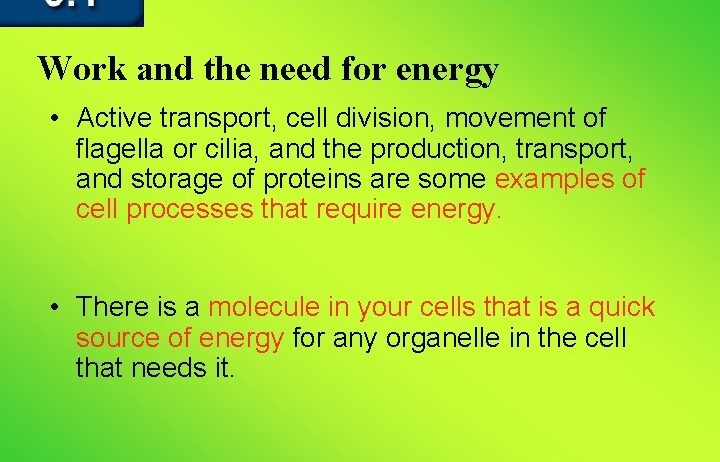
At the cellular level, energy conservation begins with the fundamental processes of metabolism, wherein organisms convert nutrients into usable forms of energy. This intricate dance is primarily orchestrated by cellular organelles, especially the mitochondria, often referred to as the ‘powerhouses’ of the cell. The mitochondria harness energy from food molecules through a complex series of reactions known as cellular respiration. Here, glucose, a simple sugar, undergoes a transformation of breathtaking complexity, yielding adenosine triphosphate (ATP)—the currency of energy in cells.
However, cellular energy utilization transcends mere consumption. It embodies an elegant symphony of regulation and efficiency. For instance, cells possess an ingenious mechanism known as feedback inhibition, a method of curbing activity in response to the availability of resources. In this manner, when a cell realizes it has sufficient ATP, it downregulates processes that consume energy, effectively entering a state of dormancy until conditions permit further activity. This mechanism acts as a safeguard against the squander of precious resources, lavishly preserving energy for times of need.
Furthermore, the cellular membranes that envelop each cell play a pivotal role in energy conservation. Comprised of phospholipid bilayers embedded with proteins, these membranes regulate the movement of ions and molecules in and out of the cell. By selectively allowing substances to pass through, cells maintain an optimal internal environment—one that minimizes energy expenditure while maximizing the uptake of essential nutrients. Think of these membranes as strategic checkpoints in a bustling city, ensuring only the necessary traffic flows smoothly while preventing congestion and chaos.
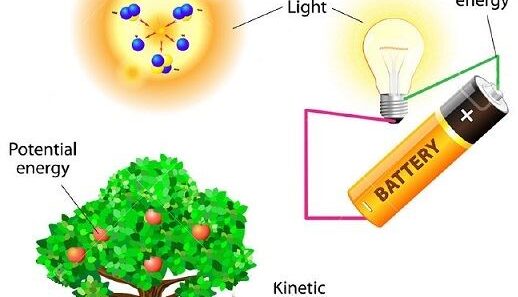
Moving beyond individual cells, we can observe broader energy conservation strategies within multicellular organisms. Plants exemplify remarkable ingenuity through a process called photosynthesis, wherein they transform solar energy into chemical energy. This process unfolds in two major phases: the light-dependent reactions and the Calvin cycle. During the light-dependent reactions, chlorophyll pigments absorb sunlight, propelling electrons into a cascade of reactions that ultimately generate ATP and another energy-rich molecule called NADPH.
The subsequent Calvin cycle does not require direct sunlight; instead, it uses the ATP and NADPH generated to synthesize glucose from carbon dioxide. This clever conversion of sunlight into energy fuels not only the plant itself but establishes the foundation for the entire food web. Consequently, plants embody the quintessential model of energy conservation and transformation, acting as both producers of energy and custodians of ecological balance.
As we ascend from cells to complex organisms, we uncover even more sophisticated strategies for energy conservation. For example, many animals have evolved specific adaptations that minimize energy expenditure during locomotion. The lateral undulation of fish through water utilizes hydrostatic forces that decrease drag, while birds achieve remarkable efficiency in flight through wing morphology and aerodynamics. Here, conflicting forces converge to craft an exquisite ballet of movement that reduces metabolic costs.
In addition to physical adaptations, behavioral strategies further enhance energy conservation. Hibernation serves as a striking example; during periods of food scarcity or extreme climate conditions, certain animals dramatically lower their metabolic rates. By decreasing the demand for resources, they can survive lengthy periods of dormancy. It’s a testament to nature’s ability to embrace conservation through adaptation—a poignant reminder of resilience in the face of adversity.
Among diverse ecosystems, energy conservation takes on an equally compelling narrative. The interconnectedness of organisms creates a web of energy transfer, wherein every interaction defines the flow of energy. This energetic exchange is encapsulated in the concept of trophic levels, which delineate the hierarchy of energy use from producers to primary, secondary, and tertiary consumers. Here, energy dissipates with each transfer, as only a fraction is conserved through metabolic processes. A startling but fascinating reality emerges: typically, only about 10% of energy is passed from one trophic level to the next.
In this tapestry of life, the principles of ecological succession illustrate the dynamic balance of energy conservation. As environments change—whether through natural disturbances or anthropogenic influences—communities adapt, reorganizing to optimize their energy use. Pioneer species, often hardy and unassuming, initiate this cycle of ecological rejuvenation. Their ability to photosynthesize and stabilize ecosystems ultimately enriches soil and promotes biodiversity, demonstrating the importance of conservation at an ecosystem scale.
The saga of energy conservation within the natural world offers invaluable insights as humanity confronts climate change and seeks sustainable practices. Learning from these biological strategies could enhance our technologies, minimize waste, and, ultimately, promote coexistence with our planet. Whether it is through improved energy efficiency in agriculture or innovative architecture mimicking nature’s designs, the lessons drawn from living organisms are ripe for exploration.
In conclusion, the narrative of how living organisms conserve energy, from cells to ecosystems, is one rich with complexity and wisdom. It underscores not only the elegance of nature’s strategies but also the urgency of adopting more sustainable practices in our daily lives. The intricate relationships observed in life forms, resonating with the larger environmental context, underline the significance of energy conservation in nurturing our planet for future generations. Just as an orchestra requires harmony to produce beautiful music, so too must we strive for balance in our interactions with the world, understanding that every small action can contribute to the grand symphony of life.