


In our modern society, convenience often trumps environmental stewardship. Plastic straws and water bottles epitomize this paradox, serving as ubiquitous artifacts of contemporary convenience while simultaneously contributing to an insidious threat: climate change. The carbon footprint of these seemingly innocuous items is staggering, prompting urgent discourse on their environmental implications. This examination delves into the intricate relationship between plastic consumption and global warming, revealing the broader narrative of waste and carbon emissions.
The convenience provided by plastic straws and water bottles cannot be understated. They cater to a fast-paced lifestyle, offering instant gratification to consumers who prioritize efficiency over sustainability. However, the ease of access to these products belies the intricate web of ecological consequences that lurk beneath the surface. Understanding this relationship necessitates an exploration of their life cycle, which encompasses production, transportation, consumption, and disposal—all stages that contribute to their overall carbon footprint.
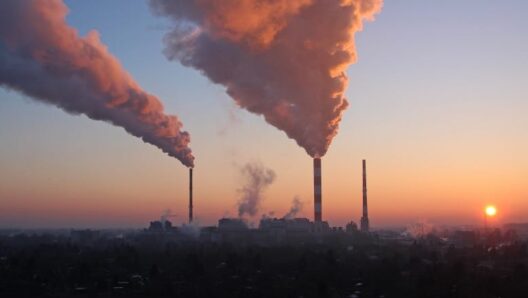
The genesis of plastic straws and bottles lies in petroleum, a non-renewable resource whose extraction and refinement are fraught with carbon emissions. The production of plastic is energy-intensive, releasing vast quantities of greenhouse gases into the atmosphere. For example, the manufacture of one ton of plastic can emit over two tons of carbon dioxide equivalent into the atmosphere. This figure starkly illustrates the intricate interplay between plastic production and climate change, as the proliferation of plastic products exacerbates global warming through multilayered environmental stressors.
Transportation, often overlooked, further amplifies this carbon footprint. Once manufactured, plastic straws and bottles traverse extensive supply chains, contributing to greenhouse gas emissions during shipping and distribution. This phase underscores a crucial irony: the more convenient a product is, the greater the distance it often travels, further compounding its environmental impact. By considering the emissions tied to logistics, one can appreciate the broader ecological implications of consuming single-use plastic items.
Upon consumption, the life cycle of plastic straws and water bottles takes a dire turn. When disposed of improperly, these materials can linger in ecosystems for centuries, contributing to pollution and adversely affecting wildlife. Marine environments, in particular, suffer dramatically from plastic debris, which can cause harm to aquatic creatures through ingestion and entanglement. Beyond their immediate environmental effects, the accumulation of plastic in oceans releases additional greenhouse gases as they breakdown, reinforcing the intricate connections between pollution and climate change.
The act of disposal itself reveals a disturbing reality. Although some plastics can be recycled, the recycling rates for items such as straws and thin water bottles are dismally low. Many of these plastics are not accepted in curbside recycling programs due to their lightweight nature and the complexity of the materials. As a result, a significant percentage of plastic waste ends up in landfills, incinerators, or the natural environment, each pathway accompanied by its own set of carbon emissions. The complexities of recycling further emphasize the urgent need for systemic change in our consumption patterns and waste management practices.
To comprehend the full impact of plastic straws and water bottles on global warming, one must also consider the cumulative effect of consumer behavior. The average person uses approximately 167 plastic water bottles annually, contributing to an alarming degree of plastic waste. Coupled with the approximately 500 million straws used each day in the United States alone, the aggregate figures compound the severity of the plastic crisis we face today. It is imperative to recognize that the sum of individual actions culminates in a staggering environmental toll, reinforcing the notion that convenience comes at a hefty price.
Shifting our perspective toward a more sustainable approach involves embracing alternatives to single-use plastics. Reusable straws and water bottles, crafted from materials such as stainless steel, glass, or bamboo, offer pragmatic solutions that mitigate the carbon footprint associated with disposable varieties. By adopting these eco-friendly alternatives, consumers actively participate in a collective effort to curb plastic production and its associated emissions, thus fostering a more sustainable relationship with the environment.
Moreover, policy interventions play a crucial role in catalyzing this shift. Legislative measures aimed at reducing plastic production and promoting sustainable materials can significantly alter the current trajectory of plastic consumption. Initiatives such as plastic bag bans and incentives for businesses to adopt biodegradable packaging exemplify proactive steps that can reshape consumer habits and reduce carbon footprints on a macro level. Advocating for comprehensive policy reform can pave the way toward a broader cultural shift, wherein sustainability is not merely an afterthought but a central tenet of consumer behavior.
In conclusion, understanding the impact of plastic straws and water bottles on global warming requires a multi-faceted approach that examines their entire life cycle. From extraction and production to consumption and disposal, each stage illustrates the profound consequences our choices impose on the environment. The carbon footprint of convenience is formidable, underscoring the urgent need for a conscious reassessment of our reliance on single-use plastics. By prioritizing sustainable alternatives and advocating for systemic changes, individuals can contribute to a collective movement that promises to mitigate climate change and preserve the planet for future generations.