


Polar bears, the majestic icons of the Arctic, are facing an existential crisis largely attributed to global warming. The phenomenon of climate change is not merely a distant future issue but a present reality that threatens the very fabric of life in polar regions. As temperatures continue to rise, the repercussions on polar bear populations become increasingly dire. Understanding how global warming leads to their demise opens our eyes to the intricate web of environmental impacts that shape their existence.
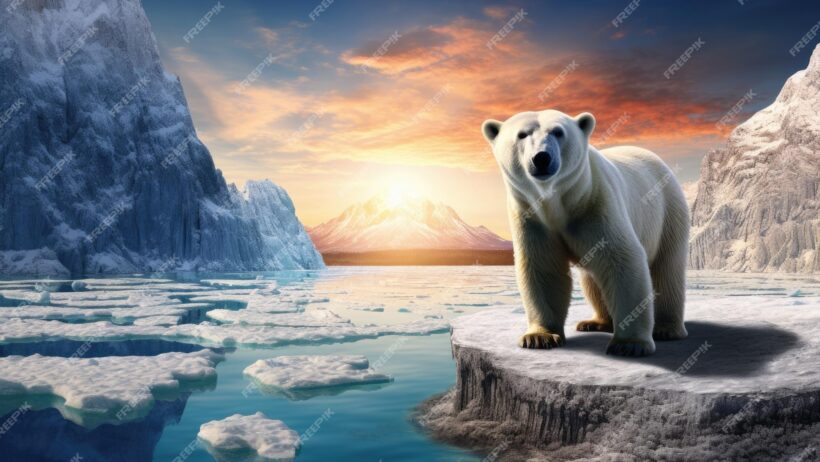
The plight of polar bears begins with the melting of Arctic sea ice. These bears are not just accustomed to icy habitats; they rely on sea ice for hunting seals, their primary prey. Seals are plentiful in the icy waters, but as the ice diminishes, polar bears find themselves at a disadvantage. The diminishing ice forces these apex predators to travel greater distances and expend more energy in search of food. This leads to severe nutritional stress, ultimately jeopardizing their survival.
As ice floes become more fragmented and transient, polar bears face a compounding challenge. They are driven to swim longer distances to locate stable hunting grounds, leading to exhaustion and dietary insufficiency. It has been documented that some bears have drowned during these prolonged swims, unable to reach safety. The phenomenon highlights a cruel irony: the very density of their habitat, built upon ice, is disintegrating under the increasing heat of climate change.
The nutritional toll of melting ice extends beyond immediate hunger. Starvation has cascading effects on reproductive success and cub survival. Pregnant females require substantial fat reserves not just to sustain themselves but also to ensure the health of their developing cubs. A pregnant mother in poor nutritional standing is likely to have fewer cubs, or worse, bears with low birth weights that are unfit for survival. This decline in birth rates signals a troubling trend that could have cascading effects on population dynamics.
Moreover, the melting of ice is not just a physical loss—it is a cultural one for many Indigenous communities in the Arctic who have coexisted with polar bears for generations. The ecological balance maintained through traditional practices is in jeopardy as habitats change. The shift represents not only the deterioration of animal populations but also the erasure of cultural practices linked to the land and its wildlife.
The effects of global warming ripple further down the food web. With seals being the primary diet, a decrease in their population, driven by changing ecosystems, will have a gravitational pull on polar bear health. Reduced prey availability exacerbates the struggle for survival. As competition intensifies due to dwindling resources, some bears may resort to scavenging or engaging with human encroachment, putting them in perilous situations that can lead to conflict.
Another dimension to consider is the psychological impact on polar bears. The stress induced by the necessity to adapt to rapidly changing environments can lead to behavioral changes. Bears may exhibit signs of distress, become more aggressive due to hunger, or manifest increased risks of human interaction as they seek out food in settlements. Encroachment on human habitat not only threatens polar bear populations but also jeopardizes human safety, resulting in a tragic standoff that is increasingly common.
The continual decline in sea ice has far-reaching effects beyond direct interactions between polar bears and their environment. The entire Arctic ecosystem—the flora and fauna—responds to climate shifts triggered by melted ice. Habitat destruction leads to a loss of biodiversity, altering patterns of migration and reproduction across various species. The once-thriving ecosystem becomes a fragile shell of its former self, with far-reaching consequences for the global climate system as well.
The potential for increased oil exploration and shipping routes as Arctic ice recedes adds another layer of complexity to the plight of polar bears. Industrial activity poses direct threats through oil spills, habitat disturbance, and increased noise pollution impacting animal behavior. Introduction of pollutants into the ecosystem brings a lethal cocktail of threats, inhibiting the bears’ natural behaviors critical for hunting, mating, and cub rearing.
Despite the dire narrative, the plight of polar bears can catalyze significant shift in perspectives regarding climate action. The emotional resonance surrounding their struggle holds the potential to galvanize public consciousness. As advocates for climate responsibility, recognizing the interconnectedness of all species is crucial. When we comprehend that the wildlife we cherish depends on a stable climate, we are more likely to support initiatives aimed at reducing emissions and preserving precious ecosystems.
Innovative strategies to combat climate change, such as investing in renewable energy and promoting sustainable practices, can forge a sustainable future not only for polar bears but for humanity as well. Educating ourselves and others about the implications of climate change and engaging in responsible consumption practices can be powerful tools in reversing trends detrimental to our environment. The tales of shrinking ice and starving bears should serve as catalysts, propelling us towards meaningful climate action.
In conclusion, the unfortunate reality is that polar bears are dying from global warming—a consequence of melting ice that disrupts their very way of life. The cascade of effects from this loss extends far beyond individual bears, affecting biodiversity, cultural heritage, and the stability of ecosystems. Recognizing the interconnected challenges of climate change fosters urgency in our responses and actions. It’s a critical time for humanity to pivot toward empowerment through awareness, collaboration, and a commitment to safeguarding the world’s polar ecosystems.