

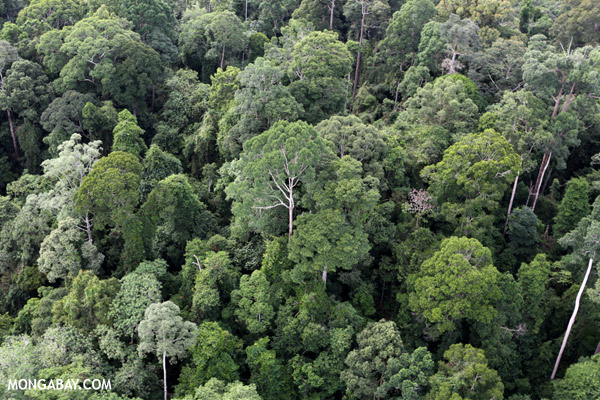

Rainforests, often referred to as the “lungs of the planet,” play a critical role in mitigating climate change. Their expansive canopy not only supports an immense diversity of ecosystems but also acts as a vital carbon sink, absorbing vast quantities of carbon dioxide (CO2) from the atmosphere. This process significantly aids in regulating global temperatures and combating the adverse effects of global warming. However, these precious ecosystems are under unprecedented threat from deforestation, climate change, and industrial activities. Understanding how rainforests contribute to climate stability can instigate a paradigm shift in how society values and conserves these ecological treasures.
To comprehend the full impact of rainforests, one must first delve into the intricacies of photosynthesis. Rainforests engage in a remarkable process where they absorb CO2 during the day and release oxygen. This organic alchemy not only nurtures the flora and fauna within but also provides essential atmospheric equilibrium. Approximately 30% of the world’s carbon dioxide emissions are sequestered by forests. Hence, rainforests serve as a carbon reservoir, cushioning the planet against the ferocious onslaught of greenhouse gases emitted by human activities.
The vast network of rainforests spans continents, including the Amazon Basin in South America, the Congo Basin in Africa, and the Southeast Asian archipelagos. Each of these ecosystems embodies unique species, climate variations, and soil compositions. The Amazon rainforest alone is home to roughly 10% of all known species on Earth, illustrating the indispensable biodiversity that thrives in these environments. The loss of such diversity not only threatens wildlife but also compromises the resilience of the ecosystem itself, making it less effective in combating climate change.
Moreover, rainforests regulate local and global weather patterns. Through a process known as transpiration, trees release moisture into the atmosphere, contributing to cloud formation and precipitation. This mechanism not only sustains regional ecosystems but also influences weather systems far beyond their immediate environment. A decline in rainforest health can lead to altered rainfall patterns, resulting in droughts or floods, thereby exacerbating climate variability. The intricate web of ecological relationships within rainforests underscores their significance in maintaining climatic stability.
Ecologists and climate scientists emphasize the importance of biodiversity in enhancing the resilience of rainforests. A rich tapestry of plant and animal species contributes to ecological robustness, enabling these ecosystems to withstand and recover from disturbances such as drought or disease. Diverse plant species, for instance, adapt and flourish under changing climatic conditions, absorbing CO2 more efficiently than monoculture plantations. In essence, preserving biodiversity within rainforests is paramount not only for the flora and fauna that inhabit them but also for the broader climate system.
However, the encroachment of human activities—particularly logging, agriculture, and urban development—poses dire consequences for these vital ecosystems. Deforestation rates remain alarmingly high, driven by relentless agricultural expansion and illegal logging practices. The scale of tree loss not only deprives the globe of essential carbon sequestering capabilities but also harms indigenous communities reliant on the forest for their livelihood and cultural identity. Consequently, the notion that economic progress can be pursued at the expense of rainforests is fundamentally flawed; such actions lead to a cascade of environmental degradation that ultimately undermines human well-being.
The narrative surrounding rainforests requires reevaluation. Instead of viewing them merely as reservoirs of timber and land for agriculture, society must acknowledge their multifaceted role in climate regulation. Innovative practices such as agroforestry, where trees are integrated into agricultural landscapes, present opportunities for sustainable land use that honors the ecological functions of rainforests. This sustainable approach can maximize agricultural productivity while simultaneously preserving tree cover, allowing the forest to continue functioning as a carbon sink.
Reforestation holds promise as an effective strategy for mitigating climate change impacts. Initiatives aimed at replanting native tree species in previously deforested areas can restore carbon sequestration abilities while revitalizing habitats for countless species. The engagement of local communities in reforestation efforts is crucial; empowering indigenous populations leads to the establishment of conservation movements steeped in cultural significance and ecological understanding. Such grassroots initiatives can instill a sense of agency, fostering stewardship and fostering a collaborative ethic toward rainforest conservation.
Moreover, the impact of climate change on rainforests cannot be overlooked. Rising global temperatures, altered precipitation patterns, and increased frequency of extreme weather events are already manifesting in many rainforest regions. As these changes unfold, the structural integrity of these ecosystems may deteriorate, leading to shifts in species composition and loss of biodiversity. This perilous situation underscores the urgency of integrated conservation policies that address both climate change and rainforest preservation.
Education plays a pivotal role in cultivating awareness about the value of rainforests. By disseminating knowledge regarding their ecological functions and the consequences of their destruction, society can foster a collective sense of responsibility. Engaging the public through campaigns, documentaries, and interactive platforms can ignite curiosity and motivate action. When individuals embrace the reality of their interconnectedness with rainforests, an empathetic drive towards conservation can emerge.
In conclusion, rainforests are indispensable allies in the battle against climate change, functioning as both carbon sinks and regulators of weather patterns. Their preservation is not merely an environmental issue but a critical component of sustaining global health and resilience against climate impacts. The ongoing threats posed by deforestation and climate change necessitate a concerted effort to engage in sustainable practices, educate the public, and empower local communities. By shifting our perspective on rainforests from mere resources to vital ecological entities, we can foster a future where both ecosystems and humanity flourish together in harmony.