

Global warming manifests as a looming crisis, fueled primarily by human activities, such as the burning of fossil fuels, deforestation, and industrial processes. As temperatures rise, we face dire repercussions, including extreme weather events, sea-level rise, and biodiversity loss. However, despite the enormity of the situation, there exists a multitude of straightforward actions that individuals, communities, and organizations can undertake to mitigate this pressing issue. By understanding and implementing these relatively simple measures, we can collectively forge a path toward a more sustainable future.
1. Energy Conservation and Efficiency
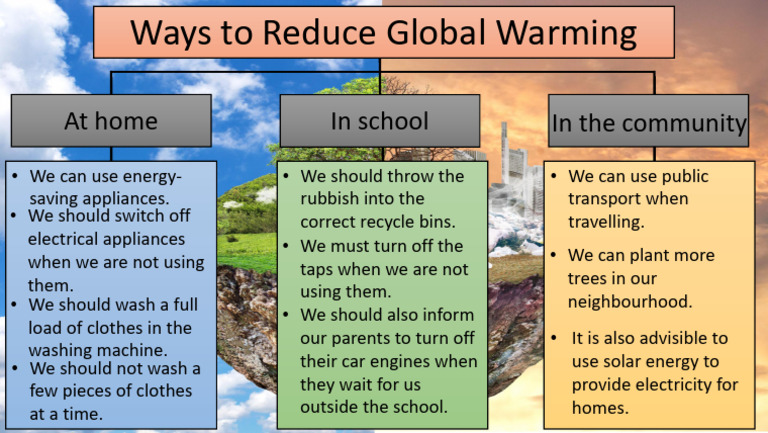
One of the most impactful actions individuals can take is to reduce energy consumption in their homes and workplaces. Employing energy-efficient appliances is a critical first step. Look for the ENERGY STAR label, which signifies that these products meet stringent energy efficiency guidelines set by the U.S. Environmental Protection Agency.
Additionally, consider adopting simple practices like turning off lights when not in use, unplugging unused electronics, or using energy-efficient bulbs. Utilizing smart thermostats can optimize heating and cooling systems, effectively reducing energy use and lowering monthly utility bills.
2. Transitioning to Renewable Energy
Switching to renewable energy sources is paramount in the fight against global warming. If feasible, choose green energy providers that offer electricity generated from solar, wind, or hydroelectric sources. For homeowners, installing solar panels can significantly decrease reliance on fossil fuels and may even yield financial incentives through tax credits and rebates. Community solar programs, where individuals can invest in shared solar energy resources, also present an excellent option for those unable to install solar systems on their properties.
3. Sustainable Transportation
Transportation is a significant contributor to greenhouse gas emissions. Utilizing public transportation, biking, walking, or carpooling can dramatically reduce one’s carbon footprint. If driving is necessary, consider the following: maintaining your vehicle to ensure optimal fuel efficiency, reducing idling, and opting for hybrid or electric vehicles. The adoption of electric vehicles, in particular, is becoming increasingly viable with advancements in technology and the expansion of charging infrastructure.
4. Reducing Waste
Waste management is a crucial issue in combating global warming. When organic waste decomposes in landfills, it produces methane, a potent greenhouse gas. Smart waste reduction starts with minimizing consumption and choosing reusable alternatives. Community engagement through local recycling programs can also enhance waste diversion. Composting is an effective way to recycle organic material, thereby reducing landfill input and producing nutrient-rich soil for gardening.
5. Adopting a Plant-Based Diet
The agricultural sector is responsible for a significant portion of global emissions, particularly from livestock production. Transitioning to a more plant-based diet can substantially lower personal carbon footprints. Emphasizing local and organic produce, reducing meat consumption, and exploring vegetarian or vegan alternatives can help to mitigate the environmental impact of food production. Additionally, being mindful of food waste—by planning meals and consuming leftovers—can further contribute to a sustainable food system.
6. Supporting Local and Sustainable Businesses
Consumer choices play a pivotal role in shaping market outcomes. Opting for products from local and sustainable businesses can enhance community resilience and support environmentally friendly practices. Seek out local farmers’ markets, artisan producers, and shops that emphasize sustainable materials and practices. By investing in such enterprises, individuals can foster economic systems that prioritize environmental health and sustainability over profit maximization.
7. Advocacy and Education
Engagement in advocacy is vital for driving systemic change. Joining local organizations focused on climate action can amplify individual efforts and contribute to collective influence. Participating in climate marches, contacting local representatives, and advocating for stronger environmental policies can result in tangible changes at the political level. Furthermore, educating oneself and others about climate science and sustainability can foster a culture of awareness and action, inspiring more individuals to take part in the movement against global warming.
8. Protecting and Restoring Natural Ecosystems
Forests, wetlands, and oceans are crucial for carbon sequestration. Protecting these ecosystems is essential in the fight against climate change. Activating community initiatives to plant trees, restore degraded lands, or clean local waterways can contribute to ecosystem health and resilience. Volunteer for local conservation projects that aim to restore habitat and protect native species, ensuring that these natural carbon sinks thrive and continue to mitigate the effects of global warming.
9. Water Conservation
Water scarcity is a growing issue linked to climate change; thus, conserving water is an essential part of environmental stewardship. Simple actions, such as fixing leaks, using water-efficient fixtures, and practicing mindful water usage, can significantly conserve this precious resource. Implementing rainwater harvesting systems can also optimize water use and further diversify water resources. Recognition that water scarcity intersects with energy use often prompts individuals to reconsider their daily habits and foster a more sustainable approach to this vital resource.
Conclusion
Global warming is not an insurmountable challenge; rather, it presents an opportunity for collective action to facilitate meaningful change. While the implications of climate change can be daunting, the steps outlined above demonstrate that every action, no matter how small, contributes to a larger narrative of sustainability. By investing in energy efficiency, prioritizing renewable sources, altering dietary habits, advocating for systemic change, and fostering a deeper connection to the natural world, we can curtail global warming. Embracing these practices in our daily lives and encouraging others to do the same ultimately lays the groundwork for a healthier planet.