


Coastal regions worldwide are succumbing to the relentless advance of global warming, leading to significant land loss. These vulnerable areas, often characterized by rich biodiversity and vital ecosystems, face imminent threats primarily due to rising sea levels, increased storm intensity, and erosion. Addressing these challenges necessitates a multifaceted approach that combines scientific innovation, policy reform, and community engagement to safeguard our coasts.
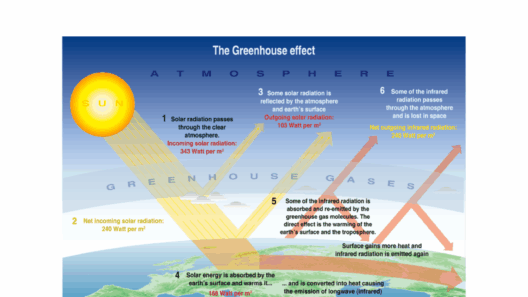
At the crux of the issue lies the phenomenon of climate change. The increase in global temperatures accelerates the melting of polar ice caps and glaciers, consequently contributing to rising sea levels. According to scientific projections, sea levels could rise by over three feet by the end of the century if current trends continue. Such an increase would inundate coastal cities, displacing millions of residents and causing immeasurable economic losses.
One of the most immediate strategies to mitigate land loss is the implementation of robust coastal management practices. Effective zoning regulations can restrict development in the most vulnerable regions, thereby preserving natural buffers against erosion and flooding. For instance, prohibiting construction on flood-prone lowlands can minimize human impact during storm surges.
Moreover, restoring and preserving natural habitats such as wetlands, mangroves, and dunes is essential. These ecosystems provide natural defenses against storm surges and high waves while also capturing carbon dioxide, thus contributing to climate mitigation efforts. Mangrove forests, for instance, can absorb up to four times more carbon than terrestrial forests, making their conservation a dual-purpose endeavor—protecting the coastline while combating climate change. Governments and organizations are increasingly recognizing the importance of nature-based solutions in coastal protection strategies, investing in projects that bolster these ecosystems.
In addition to environmental restoration, the use of advanced engineering solutions can provide immediate relief to areas experiencing acute land loss. Seawalls, breakwaters, and beach nourishment are commonly used to protect shorelines from the erosive forces of waves. While these methods can be effective, they are not without challenges; they can disrupt local ecosystems, lead to increased erosion in adjacent areas, and require ongoing maintenance. Thus, while engineering solutions can offer temporary respite, they should be viewed as part of a broader, integrated approach.
Furthermore, engaging local communities in conservation efforts is paramount. Communities that reside in coastal areas often possess invaluable indigenous knowledge regarding local ecosystems. Programs that educate and involve residents in restoration projects can enhance community stewardship and foster a culture of conservation. This grassroots effort not only empowers individuals but also generates a collective commitment to protecting coastal resources against the encroachment of climate change.
In tandem with local initiatives, there is a pressing need for international cooperation and policy reform. Climate change knows no borders; thus, nations must collaborate to implement comprehensive climate action plans. The Paris Agreement serves as a framework for these efforts, yet commitment at the local level is crucial for translating international goals into actionable steps. Adequate funding for adaptation initiatives must be prioritized, ensuring that vulnerable regions can access resources necessary for resilience-building.
Adaptive measures must also account for the socioeconomic implications of climate-induced land loss. Displacement due to coastal flooding necessitates robust policies that address housing, infrastructure, and social services for affected populations. Strategic planning can ensure that communities are not only protected from immediate climate impacts but also have access to long-term solutions, including relocating residents, developing resilient infrastructure, and providing economic support.
Climate education plays a transformative role in empowering future generations to protect their coasts. Curricular focus on environmental science, climate change, and sustainable practices equips students with the tools needed to engage in sound stewardship. By fostering a sense of responsibility and encouraging activism, educational institutions can create informed leaders, poised to confront the challenges posed by global warming.
Furthermore, technological innovation can enhance our capabilities to mitigate land loss. Monitoring systems utilizing satellite imagery and Geographic Information Systems (GIS) can provide real-time data on coastal changes, enabling targeted interventions. Early warning systems can help communities prepare for extreme weather events, minimizing damage and loss of life. The marriage of technology and environmental science establishes a proactive framework for addressing the effects of climate change on coastlines.
In conclusion, the threat of land loss from global warming is a critical challenge that requires a holistic response. Protecting our vulnerable coasts demands a combination of ecological restoration, engineering solutions, community engagement, and international cooperation. As we confront the multifaceted impacts of climate change, it is imperative that we adopt integrated strategies that prioritize both environmental sustainability and social equity. Only through concerted efforts at local, national, and global levels can we hope to halt the advance of land loss and secure a sustainable future for our coastal ecosystems and the communities that depend on them.