


Air travel has transformed the way we connect with the world. It has made distant places accessible, enabling cultures to intersect and economies to flourish. Yet, beneath the convenience of flying lies a formidable challenge: the substantial contribution of aviation to global warming. This discourse delves into the intricacies of air travel and its carbon footprint, aiming to enlighten and provoke change.
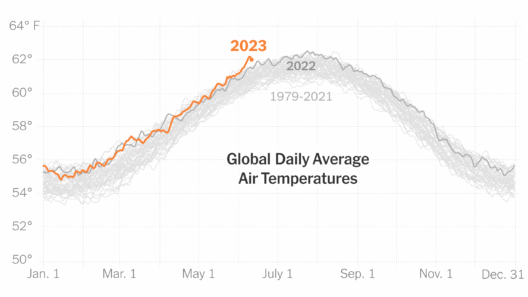
Aviation is a rapidly growing industry. The number of air travelers has surged over the past few decades, with projections indicating that this trend will continue. According to forecasts, the global demand for air travel is expected to double from 2019 levels by 2037. While this expansion heralds economic opportunities, it concurrently presents a critical juncture in the context of climate change. This irony lies at the heart of the modern dilemma: our desire to explore the globe must contend with the sustainability of our actions.
At the crux of the air travel industry’s environmental implications is the notion of greenhouse gas emissions, primarily carbon dioxide (CO2). The combustion of jet fuel releases significant amounts of CO2 into the atmosphere, a potent contributor to the greenhouse effect. To put this in perspective, it is estimated that aviation contributes approximately 2 to 3 percent of global CO2 emissions, a figure that, although seemingly modest, is disproportionately impactful given the rapid growth of the sector.
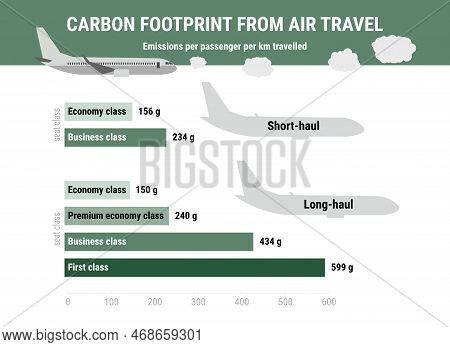
The carbon footprint of flying is influenced by several factors, including the type of aircraft, the distance traveled, and the number of passengers onboard. Long-haul flights, for instance, can produce more emissions per passenger than shorter flights due to the substantial fuel consumption required for takeoff and landing. Conversely, flying with a full flight compared to a sparsely filled plane can significantly lower the carbon emissions per passenger. Understanding these nuances is crucial for travelers keen to minimize their environmental impact.
Moreover, emissions do not encompass the entirety of aviation’s contribution to climate change. Aircraft also emit nitrogen oxides (NOx), which have a multiplier effect on global warming. These emissions contribute to ozone formation at high altitudes, amplifying the detrimental effects on the climate. This duality of impact underscores the fact that while flying offers unparalleled convenience, it also exacts a substantial environmental toll.
Interestingly, the carbon emitted during a flight can be likened to the footprint left behind by a large animal. Every journey taken leaves an imprint on the environment, necessitating a reassessment of our travel habits. It is vital for individuals to cultivate an awareness of their travel choices and recognize how these decisions contribute to accumulated atmospheric carbon levels.
In response to the burgeoning awareness of aviation’s environmental impact, the industry is embarking on a transformative journey towards sustainability. One notable innovation is the development of more fuel-efficient aircraft that utilize advanced technologies to reduce emissions. Manufacturers are increasingly investing in research and development of alternative fuels, including biofuels, which could potentially lower the carbon footprint associated with air travel significantly.
Furthermore, the exploration of electric and hybrid aircraft is slowly gaining momentum. Though still in nascent stages, these technologies represent a promising avenue towards reducing dependence on fossil fuels and curbing the greenhouse gas emissions from aviation. Emerging breakthroughs hint at the possibility of a future where sustainable air travel is not just an aspiration but a reality.
On an individual level, travelers can take proactive steps to mitigate their carbon footprint. Opting for direct flights, choosing airlines with robust sustainability practices, and considering alternative means of transportation for shorter trips can all contribute to a smaller carbon footprint. Additionally, carbon offset programs allow travelers to invest in environmental projects that counterbalance the emissions from their flights. This approach encourages awareness of one’s contributions to climate change and fosters a sense of responsibility towards the planet.
An often-overlooked element of air travel’s impact is the ripple effect on local ecosystems. Increased airport traffic and expansion can lead to habitat destruction and pollution in surrounding areas. As demand for air travel continues to rise, it is imperative to consider the broader implications beyond the immediate emissions from flights. A holistic approach encompasses both transportation methods and environmental stewardship, advocating for balance and respect for our planet’s natural resources.
The discourse surrounding aviation and climate change is not solely about restriction and renunciation. It is about reimagining travel in a way that effectively accommodates both exploration and sustainability. In this vein, the concept of ‘slow travel’ is gaining traction. This philosophy advocates for taking fewer flights and focusing on deeper, more meaningful travel experiences. By embracing local cultures and environments, individuals can foster connections that transcend the fleeting nature of hurried journeys.
As society grapples with the realities of climate change, it is vital to engage in open conversations about air travel’s role in a sustainable future. Policymakers, the aviation industry, and travelers themselves share the responsibility to cultivate an environmentally conscious approach. This includes advocating for more stringent regulations on emissions, investing in greener technologies, and prioritizing sustainability as a shared goal.
The complexities of air travel vis-à-vis global warming present not only challenges but also opportunities for innovation and change. As the world continues to navigate the delicate balance between exploration and sustainability, understanding the vast implications of our travel choices will play a pivotal role in preserving the planet for future generations. In the grand tapestry of environmental stewardship, recognizing the impact of aviation is but a thread—but one that is crucial in weaving a future rooted in sustainability and mindful exploration.