


Global warming, an urgent and pervasive issue of our time, extends its insidious influence across multiple facets of the Earth’s systems. Among the most profound consequences of climate change is its capacity to alter ocean currents. The dynamics of oceanic movements are not mere phenomena of physical geography; they form the backbone of the planetary climate system. Understanding how global warming shifts ocean currents is crucial, as it has far-reaching implications for global climate patterns, weather systems, and ecological balance.
The ocean is a vast, interconnected reservoir of water that regulates the Earth’s climate. Ocean currents operate like conveyor belts, distributing heat across the planet, influencing weather patterns, and supporting marine ecosystems. These currents are driven by a variety of factors, including wind patterns, the Earth’s rotation, salinity variations, and buoyancy differences in water temperature. However, global warming disrupts these factors, leading to changes in current strength, direction, and temperature.
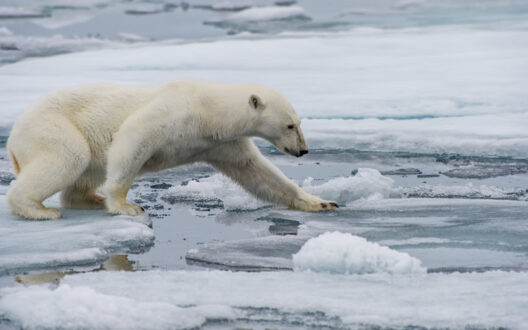
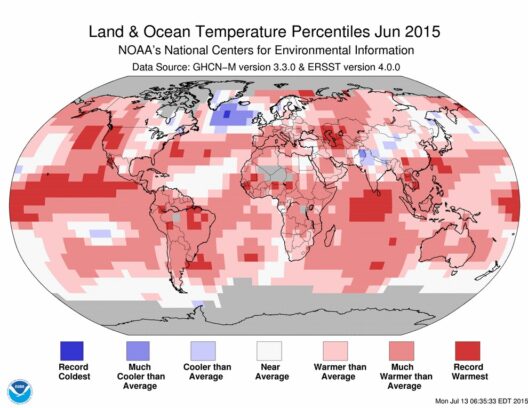
One of the primary mechanisms through which global warming shifts ocean currents is thermal expansion. As global temperatures rise due to increased greenhouse gas emissions, ocean water absorbs much of this excess heat. Warmer water is less dense than cooler water; thus, the expansion creates shifts in water positioning. When thermal expansion occurs, it can lead to changes in sea level and disrupt the hydrodynamics of ocean currents. In particular, regions that experience significant increases in temperature, such as the Arctic, can have drastic effects on current systems that have been stable for centuries.
Moreover, as the polar ice caps and glaciers melt, they introduce significant volumes of freshwater into the ocean. This influx is particularly impactful in the North Atlantic, where it can dilute seawater salinity. The alteration in salinity can create a phenomenon known as thermohaline circulation, which is vital for regulating ocean currents globally. Any disruption of this circulation can lead to a destabilization of climate patterns, thereby exacerbating extreme weather events, altering precipitation patterns, and inducing shifts in the distribution of marine species.
Furthermore, the notion of ocean gyres—large systems of rotating ocean currents—remains pivotal to understanding the broader implications of global warming. Each gyre performs an essential task, fundamentally shaping the climate of regions that lie nearby. Changes to the strength and direction of these gyres due to global warming can propagate effects that reach far beyond oceanic boundaries. For instance, alterations in gyre patterns can modify trade winds, which influence tropical storm trajectories and the intensity of hurricanes.
The El Niño and La Niña phenomena are prime examples of how shifts in ocean currents can spur dramatic changes in climate worldwide. These oscillations, driven by variations in sea surface temperatures in the equatorial Pacific, exhibit a cyclical nature. However, with climate change, we observe an increasing unpredictability to these patterns. The resulting shifts can impact rainfall, temperature, and even agrarian yields across entire continents. Such anomalies serve as cautionary tales against the underestimation of ocean systems’ intrinsic ties to global weather patterns.
Marine life, too, faces dire consequences as global warming continues to shift ocean currents. As currents change, so too do the distributions of nutrient-rich waters critical for supporting marine ecosystems. Species that rely on specific temperature ranges or salinity levels for survival may find their habitats altered or diminished. Coral reefs, which are particularly sensitive to temperature changes, can experience bleaching, effectively disrupting entire marine ecosystems reliant on their health. The cascading effect on food webs and fisheries could threaten food security and livelihoods for communities around the world.
Moreover, the shifting currents can also play a role in carbon sequestration—the natural process of trapping atmospheric carbon dioxide in oceanic reservoirs. Alterations in currents could impact the efficiency of this process, influencing not only ocean chemistry but also the global carbon cycle. As currents shift, they may trap carbon in different mechanisms or even enhance the oxidation processes, releasing more greenhouse gases back into the atmosphere. This interplay is critical in understanding how oceanic changes can exacerbate the very problem of climate change.
In conclusion, the shifting of ocean currents due to global warming presents a multifaceted issue that transcends disciplinary boundaries. The impacts are far-reaching—from alterations in climate patterns and extreme weather events to biological consequences that threaten oceanic biodiversity. It is paramount for global communities, policymakers, and environmentalists to comprehend the intricate ties between human activity, ocean currents, and climate dynamics. Addressing climate change requires collective action that encompasses not only emissions reduction but also research into the repercussions of our actions on the vast blue expanses that cover our planet. The oceans are inextricably linked to our climate, and their wellbeing is vital for the sustainability of life on Earth.