
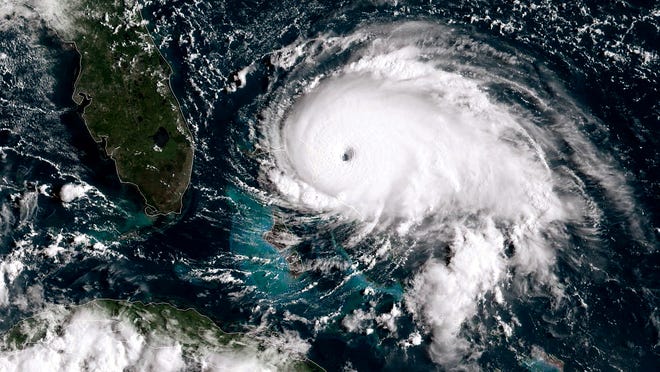

As we delve into the intricate relationship between global warming and hurricane intensification, a provocative question emerges: Could our modern lifestyle be acting as a catalyst, amplifying the ferocity of these natural disasters? The looming reality is that climate change does not simply alter weather patterns; it exacerbates the inherent devastating potential of storms, transforming the once-coastal paradise into battlegrounds of nature’s wrath.
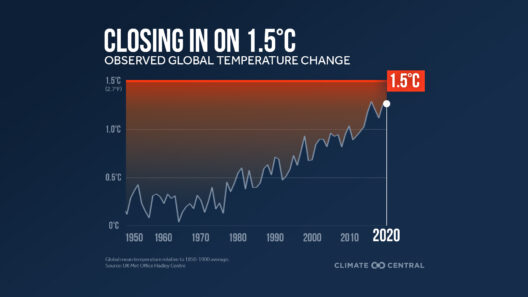
Firstly, consider the fundamental mechanisms that govern hurricane formation and strength. Hurricanes are born over warm ocean waters, where evaporated water creates heat and energy, fueling their growth. With global temperatures on the rise, it stands to reason that ocean surfaces are warming as well. According to scientists, for every 1°C increase in sea surface temperature, the potential for hurricane intensity escalates significantly. This is not mere speculation; it’s a scientifically established connection evident in recent hurricane seasons.
As the ocean continues to warm due to anthropogenic factors, the implications for hurricane activity become increasingly dire. Research indicates a correlation between elevated sea temperatures and the capacity for hurricanes to develop into catastrophic events. For instance, hurricanes are becoming more severe, attaining higher wind speeds, which translates to enhanced destructive capabilities. The years have shown a disturbing trend where Category 4 and 5 hurricanes are occurring with greater frequency—these are the storms that evoke not just fear but also a stark realization of the hazards of inaction against climate change.
Moreover, rising ocean temperatures also influence atmospheric conditions conducive to hurricane development. Warmer air can hold more moisture, leading to increased rainfall associated with tropical storms. This phenomenon contributes to what meteorologists refer to as “rainfall rates,” which can escalate to alarming levels during hurricane events. The combination of stronger winds and torrential rains leads to greater flooding, property damage, and loss of life, posing an inherent challenge to disaster response strategies.
It’s worth noting that while warmer waters serve as fuel for hurricanes, other factors such as atmospheric circulation patterns, wind shear, and geographical formations also play crucial roles. These elements interplay in complex ways, often making predictions difficult. Yet, the overwhelming consensus is that global warming tips the balance, favoring the rapid intensification of storms. Consider Hurricane Harvey in 2017—this storm, heavily influenced by climate change, unleashed catastrophic rainfall that resulted in unprecedented flooding across Texas. Data revealed that the storm produced about 33 trillion gallons of rain, a tragic testament to the exponential effects of a warming planet.
Beneath the surface of these terrifying statistics lies another layer of vulnerability: the communities that bear the brunt of such disasters. Low-lying coastal areas, particularly, face existential threats as rising sea levels—a direct consequence of global warming—encroach upon their lands. Residents of these regions are often economically disadvantaged and lack the resources necessary to prepare for, withstand, or recover from hurricanes. This inequity exposes yet another challenge: how do we mobilize community-level resilience in the face of climate-related disasters?
The answer lies in a multifaceted approach. Investing in infrastructure that can withstand severe weather events is crucial; this includes the construction of seawalls, improved drainage systems, and retrofitting buildings to endure extreme conditions. Furthermore, promoting awareness and education on disaster preparedness can empower communities to take proactive steps. For instance, conducting workshops that teach citizens how to create emergency plans or how to evacuate efficiently can save lives. The participatory approach offers an avenue for local populations to articulate their needs, making disaster response more effective.
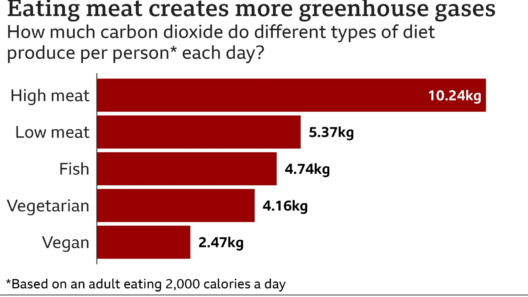
In addition to localized solutions, there is a pressing need for systemic changes at the municipal, national, and global levels. Policymakers must prioritize environmental sustainability in every decision. This means reducing greenhouse gas emissions through robust regulations on industries and promoting renewable energy sources. Climate policy needs to reflect the urgency of our situation; transitioning to cleaner energy will not only mitigate warming but also create jobs and stimulate economic growth. What could be more invigorating than that? But how do we accelerate this transition? The challenge lies in the collective will of global leaders and everyday citizens alike.
Finally, addressing the plight of marginalized communities is imperative. Climate justice and environmental equity must guide our approaches to hurricane preparedness and recovery. Acknowledging that lower-income neighborhoods often endure the harshest impacts of hurricanes requires a strategy that includes equity assessments in disaster planning. It is crucial to ensure that rescue operations and post-disaster resources are equitably distributed, leaving no community to fend for itself.
As we explore the complex intersection of global warming and hurricane intensity, one thing remains clear: our actions today will dictate the severity of storms tomorrow. The playful question that opened this discourse serves as both a reflection and a challenge: Are we willing to confront the systems and behaviors that exacerbate climate change, and in turn, endanger our communities against the specter of deadlier hurricanes? The time to engage is now. The weight of responsibility rests on our shoulders—and the winds of change are indeed upon us.