


The transition between states of matter is frequently encountered in our everyday lives, with one of the most familiar examples being the phase change from ice to water. This phenomenon is not merely an ordinary observation, but rather a striking testament to the principles of thermodynamics and energy conservation. Understanding how energy is conserved during these phase transitions invites a deeper appreciation for the natural world and emphasizes the importance of these processes in the context of broader environmental concerns.
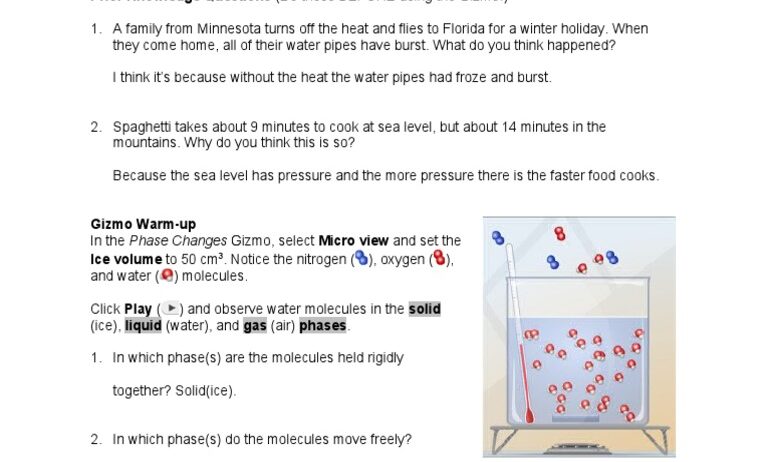
To delve deeper into the subject, one must first comprehend the fundamental definition of a phase change. A phase change refers to the transformation of matter from one state—solid, liquid, or gas—to another, and this transition is influenced by temperature and pressure conditions. When discussing ice and water specifically, we are primarily concerned with the phase changes of melting and freezing, where ice (solid) transitions to water (liquid), and the reverse process occurs when water solidifies back into ice.
During a phase change, energy plays a critical role, particularly in terms of latent heat. Latent heat is the energy absorbed or released by a substance during a phase change without changing its temperature. This phenomenon can be counterintuitive; while one might assume that increasing heat necessarily raises the temperature of a substance, this is not the case during a phase transition. Instead, energy is used to break or form the intermolecular bonds that hold the particles together, fundamentally conserving the system’s thermal energy while enabling the transition in state.
Let’s explore this in detail. When ice is heated to its melting point of 0°C (32°F), the temperature remains stable as energy is continuously absorbed. This absorbed energy is known as the latent heat of fusion. At this juncture, the energy does not serve to elevate the temperature of the ice but facilitates the overcoming of the hydrogen bonds between water molecules. As these bonds break, the structure of solid ice disassembles, transforming into liquid water while the energy remains conserved within the system.
Conversely, when water cools down and transitions back into ice, the process involves releasing the latent heat of fusion into the surrounding environment. As the water freezes, the molecules lose kinetic energy, slowing their movement and allowing stronger intermolecular hydrogen bonds to form. Again, the temperature of the system does not decrease until all the water has solidified into ice. This unrelenting shift between physical states emphasizes the intrinsic relationship between energy, phase changes, and temperature, reinforcing conservation principles.
Understanding the concept of latent heat extends beyond just recognizing how ice melts or water freezes; it has profound implications in climate science and environmental studies. The energy exchanges that occur during these transitions are pivotal in regulating Earth’s temperature. For instance, when ice caps melt due to rising global temperatures, latent heat is absorbed, which contributes to ocean currents and local weather patterns. This energy absorption can create a domino effect, influencing ecosystems and climate systems far beyond the initial phase change.
Moreover, the conservation of energy during phase changes also highlights an intriguing aspect of water: its role as a climate regulator. Water’s high latent heat capacity means it can store and transport energy efficiently. This is crucial for maintaining stable temperatures on Earth, as it helps to mitigate the severity of temperature fluctuations. In both biological and geological contexts, water acts as a thermal reservoir, absorbing heat in warmer periods and releasing it during cooler ones.
The fascination with phase changes extends to their observable effects in nature. From the stunning spectacle of icebergs calving into the ocean to the delicate formation of snowflakes, these transitions evoke awe and raise important questions about the implications of climate change. The loss of ice due to global warming not only contributes to rising sea levels but also affects species like polar bears, whose habitats depend on solid ice environments.
There is an ecological interplay when it comes to these phase changes: as ice melts and water levels rise, habitats are altered and ecosystems face increased stress. Aquatic and terrestrial life depend on stable thermal conditions, making the conservation of energy during these transitions not just a scientific principle but a necessary component for sustaining biodiversity and ecological balance.
From a broader perspective, the implications of energy conservation in phase changes invoke the necessity for responsible energy use and conservation in human activities. The insights gleaned from understanding how energy is conserved during the transition from ice to water highlight the interconnectedness of natural processes and human impact. As societies strive to mitigate climate change effects, recognizing the fundamental principles of thermodynamics becomes increasingly important.
In conclusion, the intricacies of energy conservation during phase changes remain a poignant reminder of our delicate relationship with the environment. The transformation from ice to water is not merely a physical process; it symbolizes larger implications for climate stability, energy dynamics, and ecological health. As we continue to navigate our environmental challenges, fostering an appreciation for the processes of nature can inspire more informed and sustainable decisions, ultimately leading to a healthier planet for future generations.