
Greenville, Mississippi, a vibrant city nestled along the banks of the mighty Mississippi River, is experiencing an increasingly palpable impact from global warming. The phenomenon of climate change is not merely an abstract concept; it is something that affects the daily lives of residents, the ecosystem, and the economy of this Delta city. The following exposition will delve into the myriad ways global warming is influencing Greenville, examining the environmental, economic, and social dimensions in detail.
To first understand the implications of climate change for Greenville, it is essential to consider the geographical and climatic context. Situated in the Lower Mississippi Alluvial Valley, the region is characterized by a humid subtropical climate, with hot summers and mild winters. However, rising global temperatures have disrupted traditional weather patterns, leading to an increase in frequency and intensity of extreme weather events.
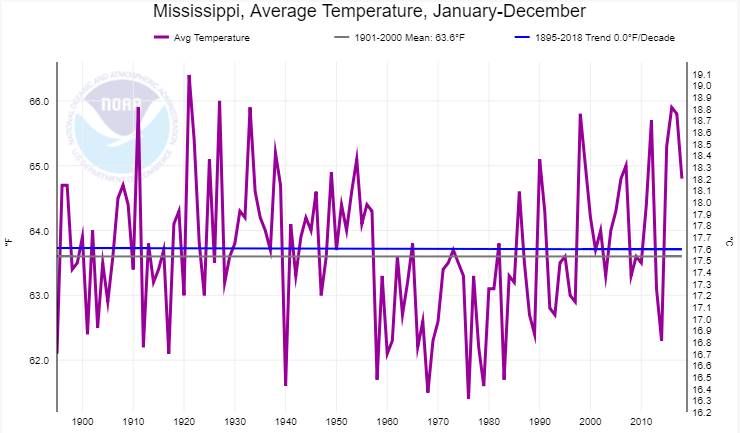
One of the most evident manifestations of global warming in Greenville is the pronounced increase in average temperatures. Long-term data indicates that summers have become sweltering, with heat waves occurring more frequently and lasting longer. This uptick in temperature not only affects human comfort but places significant strain on local agriculture, which is vital to the economy. Crop yields for staple crops such as cotton and soybeans are vulnerable to higher temperatures and altered precipitation patterns. Sustained heat can lead to reduced plant growth, poor harvests, and consequently, financial losses for farmers.
In addition to rising temperatures, Greenville has been increasingly subjected to erratic rainfall patterns. Instances of intense downpours followed by long dry spells create a precarious cycle for local farmers, whose livelihoods depend on predictable weather conditions. The inconsistency in precipitation can contribute to soil erosion, nutrient depletion, and increased susceptibility to pests. Farmers’ adaptive strategies, such as crop rotation and diversified planting, are necessary to mitigate these impacts, yet they often come at a cost.
The urban infrastructure of Greenville is also feeling the repercussions of climate change. The city’s drainage systems are being challenged by the increased frequency of heavy rainfall. Flooding, which historically may have been confined to specific areas, is now threatening more neighborhoods as waterways overflow. Such flooding events can cause extensive damage to homes and businesses, leading to costly repairs and a disruption of community life. The potential for increased flooding necessitates urgent attention to the city’s planning and development strategies, as new infrastructure must be designed to withstand the changing climate.
The ecological repercussions of global warming in Greenville are also conspicuous. Rising temperatures and changing precipitation patterns have begun to alter the local biodiversity. Species that once thrived in the Delta ecosystem may find their habitats unsuitable and traction on their resilience is challenged. Aquatic systems are particularly vulnerable, with higher water temperatures affecting fish populations and diminishing oxygen levels. The delicate balance of the aquatic ecosystem can yield a cascade of effects that impact not only wildlife but also recreational fishing and related tourism, both crucial to Greenville’s economic vitality.
Moreover, public health is at risk in the face of soaring temperatures. The elderly and vulnerable populations are particularly susceptible to heat-related illnesses. As the heat intensifies, so too do the risks of heat exhaustion and heat stroke, while poor air quality exacerbated by higher temperatures may lead to respiratory problems. Greenville must proactively implement community health initiatives that prepare residents for these escalating risks associated with climate change.
On a social level, the impacts of global warming tend to exacerbate existing socio-economic disparities within Greenville. Low-income communities often reside in areas more prone to flooding and heat. They may lack the resources to adapt or recover from climate-related disasters, leading to a cycle of vulnerability and poverty. Thus, climate change transcends environmental challenges, serving as a compelling lens through which social justice issues can be examined. Community organizations are endeavoring to raise awareness and foster resilience among the most affected populations, yet comprehensive support from local and state governments remains a paramount necessity.
Engagement and advocacy from local citizens are essential in addressing the multifaceted threats posed by climate change. Greenville residents can participate in various initiatives aimed at increasing sustainability and resilience. Efforts such as tree planting campaigns, community gardens, and educational workshops about conservation practices can foster both ecological health and a sense of community empowerment. Furthermore, participation in local government and policy advocacy can ensure that community voices are heard in the development of climate action plans.
In conclusion, Greenville, Mississippi, is unequivocally feeling the heat of global warming, affecting agriculture, infrastructure, ecosystems, public health, and social equity. The complexity of climate change necessitates a robust response that encompasses environmental stewardship, economic resilience, and social responsibility. By fostering community engagement and utilizing innovative strategies to combat these challenges, Greenville’s residents can work collectively to create a sustainable and equitable future. As climate change continues to unfold, the responsibility to protect both the environment and the community rests on the shoulders of the current generation. Adaptation and advocacy must be at the forefront of local efforts to mitigate the profound impacts of climate change in this storied Delta city.