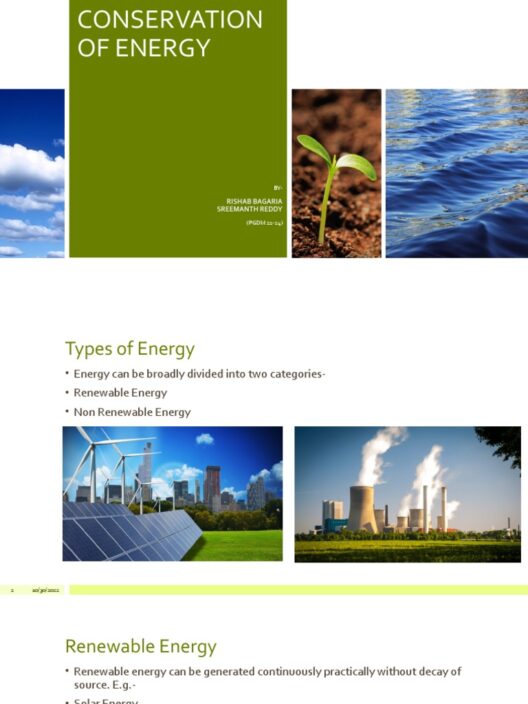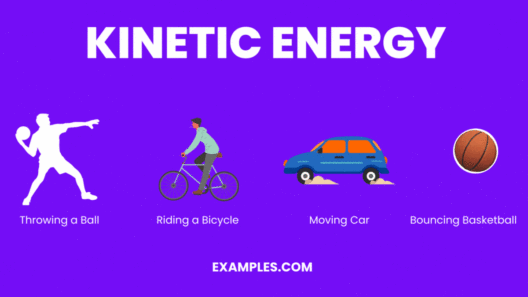




Energy is a multifaceted concept, akin to an artisan who, with deft hands, crafts different forms of art from the same raw materials. At its core, energy manifests in various formats—kinetic, potential, thermal, and more—each undergoing transformations within the grand tapestry of the universe. As we delve into the intricacies of energy conservation, it becomes essential to understand how total energy remains conserved even when kinetic energy, one of its most prominent forms, appears to vanish.
To embark on this exploration, one must first grasp the fundamental principle of energy conservation. The law of conservation of energy states that the total energy within an isolated system remains constant; it neither forms from nothing nor disappears into void. Thus, the myriad of energy types can be interchanged, swapped, and transformed, but their essence remains intact—a finite sum total that never alters.
Consider a mechanical system, like a pendulum swinging gracefully back and forth. At the pinnacle of its arc, the pendulum has maximum potential energy and minimal kinetic energy as it momentarily halts before descending again. As gravity coaxes it downward, potential energy metamorphoses into kinetic energy. Despite the relentless motion, the total energy—an unwavering constant—remains unscathed through this transformative journey.
Yet, this harmonious convergence between potential and kinetic energy may not wholly encapsulate the complexities of energy conservation. The intrigue deepens when we examine scenarios involving friction or air resistance. Herein lies a curious paradox: while kinetic energy can dissipate due to frictional forces and manifest as thermal energy, the total energy of the system remains preserved. The dissipating kinetic energy does not cease to exist; it merely transmutes into another form that is often less harnessed and undervalued, like heat.
This transformational exchange can serve as a metaphor for many processes in nature. Picture a river flowing robustly down the mountains, kinetic energy at its peak as it cuts through rocks and vegetation. Yet, as the water tumbles over falls and meanders through valleys, some energy dissipates into the environment, warming the air around it. The vibrant kinetic energy does not evaporate but changes form, reminding us how interconnected and interdependent energy types can be.
The interplay between kinetic energy and its transformative counterparts reinforces a vital lesson about energy itself: none exists in isolation. This principle resonates even in ecological systems, where energy flows through interconnected webs, darting between organisms in food chains. Photosynthesis captures solar energy in plants, converting it into chemical energy, which subsequently nourishes herbivorous organisms. These herbivores might harness this energy for movement (kinetic), yet the energy invested sustains the cycle even if it diminishes in the forms of warmth or metabolic processes, remaining integral to the total energy of the ecosystem.
A deeper examination reveals that transformations can further complicate our understanding of energy conservation. Take, for instance, the scenario of a car slowing down. When a vehicle brakes, kinetic energy transforms primarily into thermal energy through friction between the brake pads and wheels. From an observer’s perspective, it appears as though the kinetic energy dissipates, leading to confusion over ultimate energy conservation. However, in reality, the energy has transitioned into heat, dispersing into the surrounding environment but still enriching the universe’s total energy count.
In contrast, some systems exhibit elegant cycles that seem immune to energy loss. Consider the earth’s ecosystem as a microcosm reflecting energy conservation on a grand scale. Solar energy is tirelessly absorbed by vegetation, and through the intricacies of photosynthesis, it perpetuates life, facilitating growth and movement. Thus, until transformed or utilized, energy remains firmly within our universe’s grasp.
As we delve deeper, the conservation of energy raises existential queries that seek to intertwine the metaphysical with the physical. If energy transforms, does this imply that identities morph alongside the energy transitions? Observing the butterfly effect, whereby minute variations can yield significant consequences, a parallel emerges. Energy, in its many forms, melds continually through rustic cycles, catalyzing significant transformations in its identity while faithfully adhering to the law of conservation.
Importantly, the intricate dance of energy conservation is a cornerstone of both physics and environmental stewardship. Recognizing how energy transitions can lead to losses or gains across forms becomes imperative in addressing energy consumption. Our reliance on fossil fuels results in previously trapped energy rapidly dissipating into the atmosphere as heat and emissions. Thus, as activists and caretakers of the planet, understanding energy transformations illuminates paths toward sustainable practices that honor the Earth’s resources.
Ultimately, the intrinsic relationship between total energy conservation and the deceptive nature of kinetic energy transformations serves as a profound lens through which to view our universe. It reminds us that every ounce of energy persists, transitioning through forms like the ceaseless river or the cyclical breath of life. Each transformation, while materializing in a new guise, maintains a harmony that defines the energy ethos of our world.
In conclusion, grasping how energy remains conserved, even as kinetic energy occasionally eludes our grasp, is akin to observing the abstract expression of art that emerges from raw materials. It embodies a profound narrative—a symbiotic relationship between potential, kinetic, and thermal energies. The tale of energy’s eternal conservation serves not only as a scientific principle but also a clarion call for humanity to respect and harness the boundless energy that surrounds us.