
In the delicate tapestry of Earth’s ecosystems, three iconic species—koalas, polar bears, and penguins—stand as profound symbols of the fight against climate change. Each of these creatures possesses unique adaptations that reflect their environments, yet they are now embroiled in a struggle for survival due to the persistent threat of a warming planet. The plight of these animals encapsulates the complexities of environmental degradation, and their stories evoke a poignant metaphor for resilience amidst adversity.
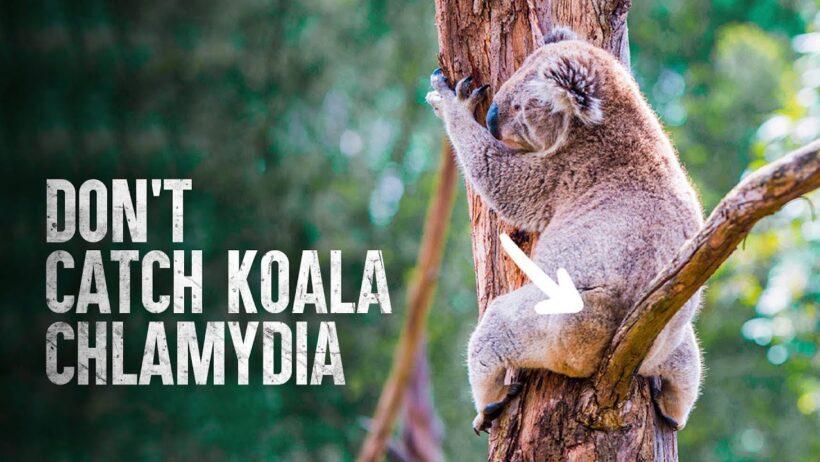
Koalas, with their endearing visage and arboreal lifestyle, reside in the eucalyptus forests of Australia, where they are often perceived as cuddly and harmless. However, beneath this charming exterior lies a profound vulnerability exacerbated by rising temperatures and increased frequency of droughts. As the climate shifts, eucalyptus trees face stress, leading to a decline in their nutritional quality and availability. Koalas, reliant on these trees for sustenance, find their food sources dwindling, akin to a painter losing their palette. This nutritional deficit heightens their fragility, making them susceptible to disease and diminishing reproductive success.
Moreover, bushfires, fueled by climate change, ravage their habitats, transforming once-lush landscapes into charred remnants. The aftermath of such catastrophic events leaves koalas disoriented and displaced, wandering through a world that has betrayed them. In these trying times, conservationists and dedicated organizations strive to mitigate these hardships. They work relentlessly to restore habitats and provide sanctuaries for these marsupials—an act of repair in a world that often seems intent on destruction. Yet, the road ahead remains perilous, as each season brings new uncertainties, resembling a tempestuous sea in which the koalas navigate their existence.
In stark contrast to the lush greenery of koalas’ homes, polar bears traverse the vast, icy expanses of the Arctic. These majestic creatures, draped in white, symbolize strength and resilience in one of the harshest environments on Earth. Yet, global warming melts the ice upon which they depend for hunting seals. The transformation of the Arctic landscape serves as a haunting reminder of the impactful changes underway; the once-solid ice becomes precarious, akin to a crumbling foundation beneath a grand edifice. Polar bears increasingly find themselves forced to swim vast distances in search of food, with the energy expended in this pursuit leading to malnutrition and starvation.
As their hunting grounds diminish, the complex social structures of polar bear populations face disruption. Mother bears, working to rear their young, confront unprecedented challenges; survival hinges on their ability to adapt swiftly to a world that is transforming at an alarming pace. The Arctic’s indigenous communities echo the plight of the bears, as their livelihoods are closely entwined with this dynamic ecosystem. The interdependence between human and wildlife becomes starkly clear—a call to stewardship, urging deeper engagement with climate justice.
The narrative of survival becomes even more intricate when we turn our attention to the resilient species of the Antarctic, the penguins. These flightless birds, often associated with playful waddles and communal breeding grounds, are also grappling with the impacts of climate change. As ice formations recede due to rising temperatures, penguin species such as the Emperor face dwindling breeding sites. Fewer ice platforms mean limited access to food supplies, as krill populations shift in response to changing ocean temperatures. Their fate mirrors that of a symphony in disarray, as the once harmonious balance of the ecosystem begins to falter.
Furthermore, the delicate choreography of chick rearing becomes disrupted. Stars of the penguin world, the watchful parents exhibit profound dedication. Yet, as their habitats become fragmented, fewer chicks survive to adulthood. The reality is akin to a theater where actors are forced to adapt their performances to an ever-changing script, struggling to find their place amidst environmental upheaval.
The survival of koalas, polar bears, and penguins serves as a microcosm of a larger environmental narrative—the urgent demand for transformative action against climate change. Conservation efforts that emphasize habitat restoration are crucial; initiatives that reduce greenhouse gas emissions and enhance biodiversity are equally vital. Engaging local communities in conservation acts not only fortifies ecosystems but also cultivates a sense of responsibility—a shared stewardship over the Earth we inhabit.
In the face of these challenges, a glimmer of hope persists. Each species resonates with the intricacies of a living planet, exhibiting behaviors that embody resilience and adaptability. The koalas’ gumtree oases, the polar bears’ icy domains, and the penguins’ adaptive rookeries reflect the intricate interconnections that define our world. They implore humanity to listen, to learn, and to act. It is a collective journey towards a sustainable future, where the rich tapestry of life can flourish without constant threat.
As these remarkable creatures continue to battle the repercussions of a warming world, their stories beckon us to engage in the fight for survival. In understanding the unique challenges each species faces, we cultivate empathy and a deeper appreciation for our shared environment. In this interconnected world, where climate change casts a long shadow, every action counts. The koalas, polar bears, and penguins may be fighting for their survival, but they also offer us a poignant reminder of our capacity to inspire change. Together, we can weave a narrative of hope, resilience, and restoration, ensuring that these magnificent creatures continue to thrive for generations to come.