


The Paris Climate Accord, an unprecedented international agreement forged in the crucible of diplomacy, heralded a new era in the collective global response to climate change. It stands as a testament to the urgent need for nations to collaborate on environmental preservation. But just how many countries joined this ambitious accord? Spoiler alert: most of them. Yet, this leads us to a playful inquiry – what would it truly mean if every nation was fully committed? Could we then adequately combat the ominous specter of climate change?
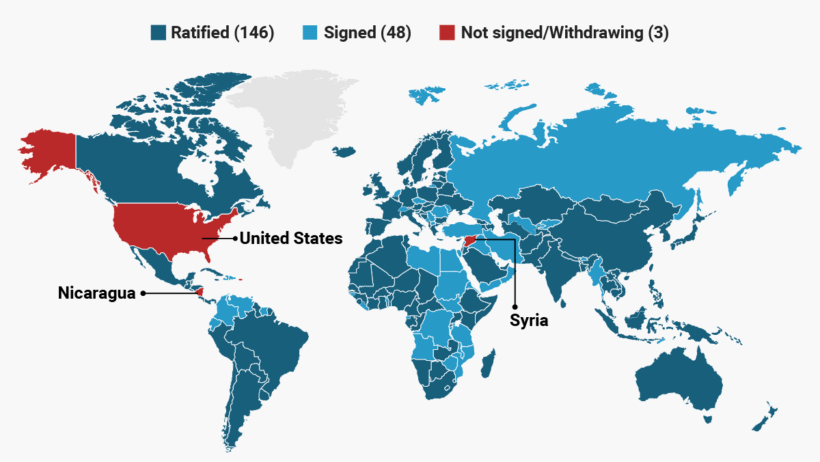
The Accord, born from the United Nations Framework Convention on Climate Change (UNFCCC), was ratified on December 12, 2015, during the 21st Conference of the Parties (COP21) in Paris. The signatories, totaling an impressive array of 196 countries, came together with a shared objective: to limit global warming to well below 2 degrees Celsius and to pursue efforts to constrain the increase to 1.5 degrees Celsius. Such ambitious targets stemmed from a consensus that climate change posed dire threats to ecosystems and human societies alike.
Envision this: nearly every nation on Earth recognizing the existential reality of climate change and pledging to contribute toward a sustainable future. The challenge lies not merely in the signing of an agreement, but in the robust implementation of its stipulations, particularly in developing nations that might lack the financial resources and technological means to transition to greener economies. In a playful twist, one might wonder: would the world’s wealthiest nations, flush with resources, step up to the challenge of supporting their less affluent counterparts? Or would it devolve into a game of inequality wherein responsibility is selectively assumed?
The Accord has witnessed significant ratification since its inception, with nations ranging from the largest greenhouse gas emitters like China and the United States to small island states that face existential threats from rising sea levels. This eclectic mix of signatories highlights the universality of climate change as an issue that transcends geographical, economic, and political barriers. However, engagement is complex. While 196 nations signed on, which represents an overwhelming majority of the global community, compliance and commitment levels vary substantially.
One of the key processes established within the Accord is the Nationally Determined Contributions (NDCs), where each country delineates its own targets for emission reductions and sustainable practices. This self-determined aspect poses a double-edged sword: it allows for tailored approaches to climate action, but also leads to disparities in ambition. A country may pledge to reduce emissions by 10% over the next decade, while another commits to a 50% reduction, leaving one suspect as to whether the initial pledge was merely an exercise in public relations.
There is also a certain degree of skepticism surrounding the accountability mechanisms. Who monitors each nation’s adherence to the commitments made? As we traverse this complex landscape, the playful challenge emerges: can we hold nations accountable without infringing upon their sovereignty? The answer lies in fostering cooperation and communication, promoting technologies, and sharing innovations that can elevate every nation’s capacity to fulfill their pledges.
Moreover, it is essential to recognize the broader implications of these commitments. The unifying thread of the Paris Agreement is not just individual national goals but rather the creation of a global momentum for climate resilience. Through such an agreement, countries not only deepen their engagement with climate policies but also encourage economic structures that support green technologies and sustainable practices. Herein lies another question: can we conceptualize a world where economic growth is intrinsically tied to environmental stewardship?
Despite the optimistic façade presented by the sheer number of signatories, it is critical to dissect the disparity between intention and action. Some nations approach the Accord with forthright vigor, enacting aggressive policies and investing in renewing energy sources. Conversely, others exhibit reluctance, prioritizing short-term economic benefits over long-term ecological sustainability. This dissonance leads to a paradox where nations celebrate signing a global pact while simultaneously backtracking on their commitments.
A pertinent example is the United States, which famously fluctuated between commitment and withdrawal, thus bringing forth serious implications for global leadership. The perceived retreat of any one nation can instigate a domino effect, leading to uncertainties amongst allies and critics alike, underlining the importance of participation and transparency in climate governance.
In conclusion, while the number of countries that joined the Paris Climate Accord is understandably impressive, it encapsulates merely the first step in a long journey toward global environmental sustainability. The heart of the challenge lies in translating commitments into concrete actions and fostering robust accountability systems. Every nation has the capacity to pivot toward greener futures; however, the journey requires collective accountability, relentless dedication, and an unwavering vision of what a sustainable world could entail. A playful thought persists: what if every nation embraced this challenge wholeheartedly? Could the tides of climate change be stemmed, thereby fostering a resilient planet for generations to come? The answer is not simply hopeful; it is essential.