


Global warming, a slowly heating kettle on the stove of our planet, has ignited debates that reverberate through international spheres. As nations grapple with the implications of climate change, their approaches oscillate between cooperation and conflict. This discourse delves into the multifaceted strategies countries deploy in their efforts to address this imminent threat.
The modern era witnesses an intricate tapestry of international relations, woven with threads of both collaboration and discord. On one hand, the specter of climate change emerges as a collective adversary, demanding an assemblage of global cooperation. On the other, it manifests as a battleground for national interests, where the pursuit of economic viability often clashes with environmental imperatives. Navigating this turbulent waters requires not just resolve, but also innovative frameworks grounded in mutual benefit.
To understand the dynamics at play, one must first recognize the significance of key international treaties. The Kyoto Protocol, adopted in 1997, serves as a cornerstone in global efforts to mitigate greenhouse gas emissions. It represents an initial step toward a collaborative framework, compelling developed nations to take the lead in reducing their carbon footprints. However, the implementation proved fraught with challenges and criticisms, primarily due to the exclusion of developing nations from binding targets. This led to a persisting narrative: cooperation hampered by discrepancies in capability and responsibility.
As the years progressed and scientific consensus on climate change solidified, the conversation shifted. The Paris Agreement of 2015 emerged from this crucible of shifting perspectives, embracing the principles of inclusivity and ambition. Unlike its predecessor, the Paris Agreement invited all nations, regardless of development status, to contribute towards the global goal of limiting temperature rises to well below 2 degrees Celsius. This new compact embodies the essence of collective action—a symphonic call for unity in an increasingly fragmented world.
Yet, just as a symphony requires harmony among instruments, the implementation of the Paris Agreement has not been without dissonance. Nations grapple with various tensions as they balance economic interests with environmental responsibilities. For instance, countries rich in fossil fuels face an existential paradox: the very resources that fuel their economies are also the harbingers of climate catastrophe. This reality has often sparked conflict both within and between nations, as vested interests resist the symphonic call of climate action.
Take the example of the United States’ withdrawal from the Paris Agreement under the previous administration. This pivotal moment was a stark illustration of how nationalistic policies can interpolate discord within the global climate agenda. In contrast, subsequent re-entry into the accord showcased the oscillating nature of climate policy, where domestic politics can dramatically reshape international commitments. It underscores a fundamental truth: nations must contend not only with global standards but also with the ambitions and apprehensions of their citizens.
The geopolitical landscape complicates these dynamics further. Nations with developing economies often find themselves caught in a double bind: they are expected to curtail emissions while simultaneously advancing their economic growth. This predicament fuels conflicts over financial aid, technology transfer, and shared expertise, which are crucial for enabling meaningful climate action. The Green Climate Fund, established to assist developing nations, symbolizes an effort to alleviate this conflict by offering financial resources and technological support. However, its efficacy remains a mode of contention, often ensnared in bureaucratic inefficiencies and stringent stipulations.
Despite these hurdles, there are compelling instances of cooperation that illuminate a path forward. Regional pacts such as the European Union’s Green Deal showcase how collective ambitions can harness economic power towards environmental benefit. By uniting member states under a comprehensive framework for sustainability, the EU exemplifies how collaboration can yield tangible results. It cultivates green technologies, promotes renewable energy, and encourages sustainable practices—all while stimulating economic growth. Such initiatives remind us that even amidst conflict, potential for progress persists when nations align their interests with the wider calculus of planetary health.
In recent years, grassroots movements, often capitalized by youth activists, have added a fresh layer of urgency to the climate dialogue. These passionate individuals harness social media to amplify their voices, demanding accountability and transparency from their leaders. Their influence has spurred national and international actors to take swift actions, often aligning governmental policies with the aspirations of their constituents. These movements illustrate that cooperation can extend beyond the confines of diplomatic negotiations; it can be birthed from the streets, merging public sentiment with policy advocacy.
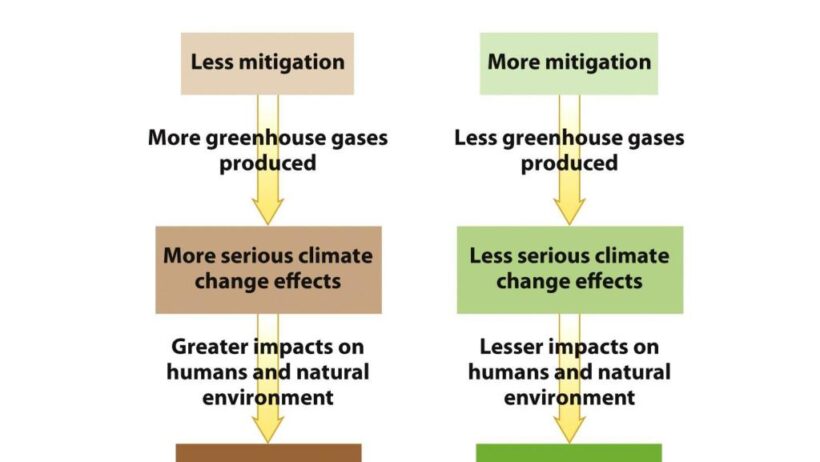
The dichotomy of cooperation versus conflict in climate action encapsulates a fundamental battle of wills among nations. The stakes are colossal—the fate of ecosystems, the livelihoods of countless individuals, and ultimately, the very fabric of life on Earth hangs in the balance. As nations navigate the treacherous waters of climate policy, the choice between collaborative pathways and divisive approaches will define their legacy in the annals of environmental history.
Only through an intricate balancing act between mutual cooperation and obligatory governance can the global community hope to quell the escalating tide of climate change. The journey ahead will demand not only diplomacy but also courage to confront entrenched interests and paradigms. History has taught us that the path to sustainability, while fraught with challenges, offers the promise of a resilient and thriving future for generations to come. Ultimately, the question is not merely how nations manage their conflicting interests, but rather how they unite under the shared banner of planetary stewardship for the sake of humanity—and the Earth itself.