
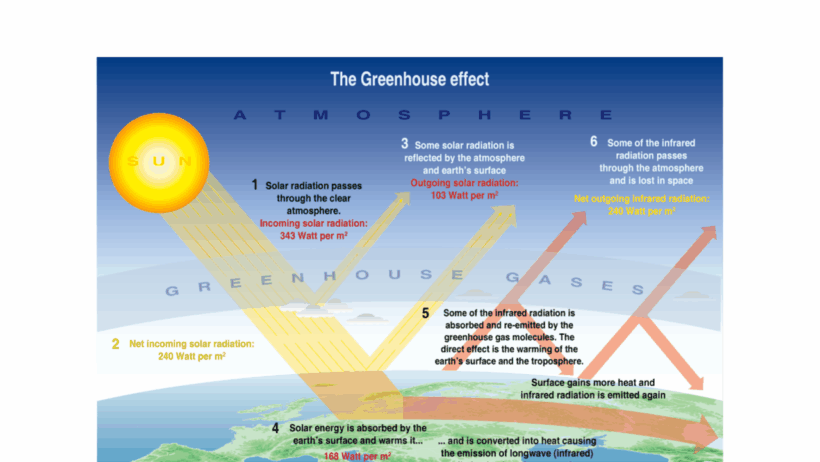

In the vast expanse of our planet’s oceans, where the crystalline waves dance under the sun and the symphony of marine life flourishes, lies a battleground against one of the most pressing challenges of our age: global warming. Oceanographers, the sentinels of the sea, are pivotal in this struggle, employing their expertise not merely as observers, but as proactive agents of change. Their endeavor can be likened to a tireless craftsman sculpting a masterpiece from raw, living marble—each wave they analyze creates ripples that can influence climate policy and shape our future.
The oceans, covering over seventy percent of the Earth’s surface, are a vast reservoir of carbon dioxide, absorbing significant amounts of this potent greenhouse gas. However, this natural caprice has its limits; as human activities continue to emit carbon at unprecedented rates, the delicate equilibrium of marine ecosystems is jeopardized. Oceanographers are acutely aware of this outcome—every increase in temperature, every alteration in salinity, and every shift in aquatic life creates a mosaic of challenges that must be addressed.
One might envision oceanographers as modern-day alchemists, transforming data into actionable insights. They harness cutting-edge technology and methodologies, from satellite imagery to autonomous underwater vehicles (AUVs). These ingenious tools allow them to gather extensive data on ocean temperatures, currents, and biological activity, creating a multidimensional portrait of the marine environment. This information is critical in predicting climate trends and understanding their ramifications on global weather patterns.
Among the most critical initiatives undertaken by oceanographers is the examination of ocean acidification—an often-overlooked aspect of climate change. The oceans absorb around one-third of the carbon dioxide produced by human activity, leading to a decrease in pH levels, which has dire consequences for calcifying organisms such as corals and shellfish. These organisms form the backbone of marine ecosystems, and their decline could lead to broader ecological collapse. Through comprehensive field studies and laboratory experiments, oceanographers are not only documenting these changes but are also investigating potential adaptive mechanisms of marine organisms, akin to scientists seeking to find a cure for a patient on the brink of systemic failure.
Another pivotal area of focus for oceanographers is the influence of ocean currents on climate change. The Great Ocean Conveyor Belt—a complex system of currents that redistributes heat and nutrients across the globe—plays a vital role in regulating our planet’s climate. Oceanographers meticulously track these currents, analyzing how increased freshwater influx from melting ice caps alters their flow and, consequently, global weather patterns. The implications are staggering: alterations in current movement can lead to extreme weather events, shifting agricultural zones, and more intense hurricanes. Observations derived from such studies are akin to prophetic signals, revealing the interconnectedness of global systems.
Marine protected areas (MPAs) represent another critical weapon in the oceanographer’s arsenal. Establishing these sanctuaries is essential for preserving biodiversity and enhancing the ocean’s ability to absorb carbon. Oceanographers advocate for the creation and enforcement of MPAs, basing their arguments on extensive research that illustrates the benefits of biodiversity for resilient ecosystems. These sanctuaries not only serve as breeding grounds for marine species but also provide safe havens where ecosystems can thrive, acting as natural defenses against the oncogenic effects of climate change. By lobbying governments and stakeholders, oceanographers lay the groundwork for policies that protect marine environments while simultaneously addressing climate challenges.
Moreover, collaboration is at the core of oceanographic pursuits. Through partnerships with climatologists, policymakers, and even local communities, oceanographers arc their interventions beyond academic study into tangible actions. For instance, they engage in citizen science, mobilizing enthusiasts and non-experts to collect data. This inclusive approach democratizes oceanography, expanding the network of observation and enabling a wider range of insights into the impacts of climate change. This collective effort echoes the sentiment that the fight against global warming is not solely the responsibility of scientists but requires a community of informed and active participants.
The conservation narrative is further enriched by the rise of innovative technologies, such as machine learning and artificial intelligence. Oceanographers are beginning to utilize these tools to predict future changes in marine environments with increased accuracy. By processing vast datasets—collected over decades—they can identify patterns and predict potential tipping points within ecosystems. This predictive capacity could revolutionize our responses to climate challenges, allowing for preemptive actions rather than reactive measures.
As we sail into an uncertain future, the role of oceanographers remains pivotal. They are the guardians of the briny deep, utilizing knowledge as their compass and innovation as their vessel. Each wave they study not only reveals the intricacies of our planet’s climate system but also underscores the urgency of addressing global warming. The confluence of research, community involvement, and technology-driven strategies creates a multi-faceted approach to not only understanding but mitigating the effects of climate change.
In conclusion, oceanographers are not just chroniclers of oceanic phenomena; they are champions of a sustainable future. As they tackle global warming one wave at a time, their endeavors ripple outward, fostering hope and instigating change. In the words of the ocean itself, they remind us that while we stand on the shores of uncertainty, the tides of resilience and knowledge continually flow forward, beckoning us to embrace stewardship of our blue planet.