


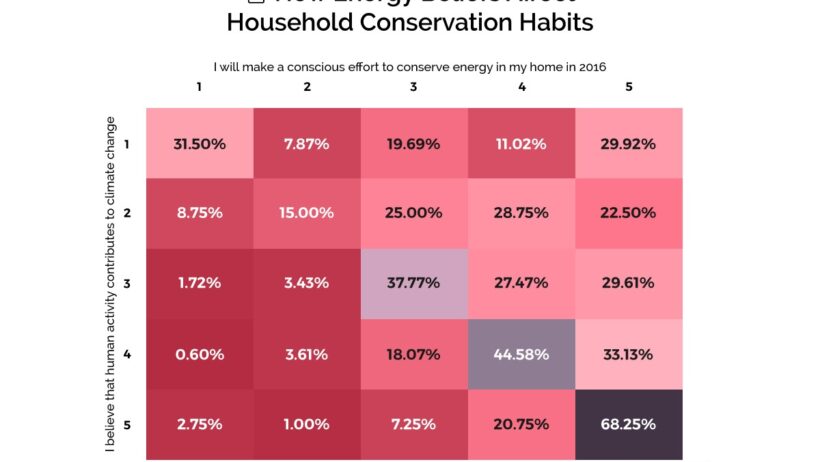

Energy conservation is an essential endeavor for not only individuals but society as a whole, particularly in the face of climate change and environmental degradation. Despite the growing awareness surrounding this issue, a striking question remains: How often do Americans truly engage in energy conservation? Examining trends within this crucial matter reveals not only the current state of American energy consumption but also offers insights into practices that can lead to smarter living.
To begin with, it is fundamental to understand current trends in energy conservation in the United States. Over the past decade, there has been a notable shift towards more sustainable living practices among many Americans. As public awareness of climate change intensifies, so too does the collective desire to reduce energy consumption and lower carbon footprints. Reports indicate that a significant portion of the population now regularly adopts energy conservation measures. However, this varies widely by region, socio-economic status, and public education. Urban areas, for example, tend to exhibit higher rates of energy conservation behaviors compared to rural regions.
Despite this trend towards increased conscientiousness, many individuals still grapple with the implementation of effective energy-saving strategies. Surveys suggest that while individuals may express an intention to conserve energy, their actions do not always align. This disconnect often arises from a lack of knowledge regarding practical steps that can be taken to save energy in daily life. Consequently, illuminating effective energy conservation tips becomes imperative for fostering a more environmentally friendly culture.
One of the most straightforward yet impactful ways to conserve energy at home is through the utilization of energy-efficient appliances. The Energy Star label, for instance, signifies that an appliance meets specific energy efficiency criteria set by the Environmental Protection Agency. By investing in such appliances, households can significantly decrease their energy consumption while simultaneously enjoying the long-term financial benefits of reduced utility bills.
In addition to upgrading appliances, there are simple behavioral changes that can yield substantial results. Turning off lights when leaving a room, unplugging devices that are not in use, and harnessing natural light during the day all contribute to decreased energy consumption. Such habits, while seemingly minor, can accumulate over time, leading to a more conscious approach to energy usage.
Another promising trend relevant to energy conservation involves the adoption of smart technology. Smart thermostats, for instance, allow homeowners to optimize heating and cooling systems with remarkable precision. These devices learn user preferences, adjusting temperature settings automatically based on occupancy patterns. By managing energy use efficiently, smart technology not only enhances comfort but also promotes significant energy savings.
Moreover, advocacy for renewable energy sources has gained momentum in recent years. Solar panels, wind turbines, and other renewable energy systems have become increasingly accessible to homeowners. By harnessing natural resources, individuals can produce their own energy, reducing reliance on traditional fossil fuels. This shift not only contributes to personal energy conservation efforts but also plays a vital role in the broader transition towards a more sustainable energy landscape.
Understanding the broader societal context is crucial for gauging energy conservation trends. Policies at both federal and state levels as well as community initiatives heavily influence consumer behavior. The integration of energy efficiency standards and renewable energy incentives propels this movement forward. Programs that educate citizens on the importance of energy conservation and offer financial support for energy-efficient upgrades serve to catalyze change. Yet, there remains significant room for growth; educational efforts must continue to elevate awareness and motivate action.
Delving deeper into demographic influences reveals noteworthy disparities. Research indicates that younger individuals, particularly millennials and Generation Z, exhibit a heightened commitment to environmental issues, including energy conservation. This cohort prioritizes sustainability, often seeking out products and services that align with their eco-conscious values. Consequently, businesses that embrace energy-efficient practices and sustainability initiatives stand to gain favor with this emerging demographic, further driving industry-wide change.
In contrast, older generations may be more resistant to adopting new energy-saving practices. Factors such as inertia, financial limitations, and a lack of familiarity with new technologies can serve as barriers to widespread energy conservation adoption. Addressing these impediments requires tailored outreach and education efforts that resonate with diverse populations.
One cannot overlook the psychological aspect of energy conservation behavior. Research suggests that social norms play a pivotal role in influencing individual actions. When individuals perceive energy conservation as a shared value within their community, they are more likely to adopt similar behaviors. Encouraging community-based initiatives and creating platforms that celebrate energy-saving achievements can foster a sense of collective commitment to sustainability.
In summation, while Americans have made strides towards energy conservation, there remains much work to be done. Energy-efficient technologies, behavioral adjustments, and community engagement are all pivotal elements that can enhance energy-saving practices. By embracing these strategies and cultivating a culture of conservation, individuals can contribute to a more sustainable future. Ultimately, understanding how often and effectively Americans conserve energy provides a clear pathway toward a more conscious approach to living that prioritizes the health of our planet. The choice lies in the hands of individuals to transform awareness into action—leading society towards smarter living for generations to come.