


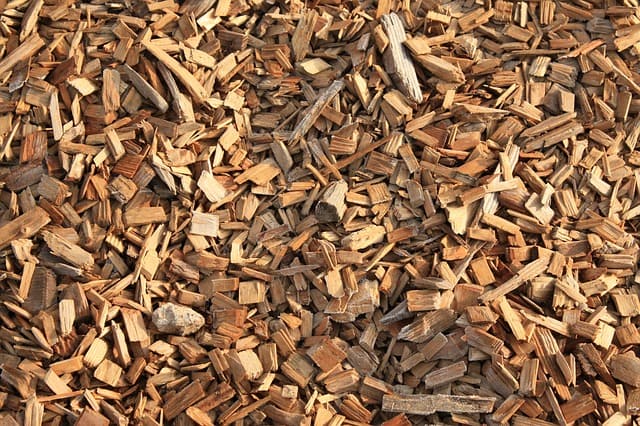

In recent years, the conversation surrounding renewable energy has intensified. Among the various renewable sources, biomass energy stands out due to its versatility and potential for sustainability. Biomass, which encompasses organic materials such as plant matter, animal waste, and other biodegradable substances, converts into energy through processes like combustion, anaerobic digestion, and fermentation. However, efficient conservation of biomass energy is crucial for fostering a sustainable future. This essay will delve into practical strategies for conserving biomass energy, addressing common observations about its utilization while hinting at deeper underlying issues that warrant our attention.
One of the most prevalent observations regarding biomass energy is its reliance on agricultural practices. The burning of wood pellets and other crop-derived materials can be viewed positively as it utilizes waste and offers an alternative to fossil fuels. Yet, this reliance often leads to overharvesting and exploitation of resources. Sustainable practices must be adopted to mitigate these adverse effects. Crop rotation and agroforestry are methodologies that can enhance soil health while simultaneously providing biomass. By planting diverse crops and integrating trees into agricultural systems, we can improve the biomass yield while ensuring that natural ecosystems are preserved.
Another vital consideration in conserving biomass energy lies in the methods used for energy production. Traditional combustion techniques contribute to air pollution, which contradicts the very purpose of seeking renewable energy solutions. Therefore, transitioning to advanced technologies such as gasification and pyrolysis is essential. These methods allow for the thermal breakdown of organic materials in the absence of oxygen, producing syngas and bio-oil, which serve as cleaner energy sources. The implementation of these technologies not only conserves biomass energy but also reduces harmful emissions, promoting a healthier environment.
Furthermore, waste management plays an instrumental role in biomass energy conservation. Agricultural and municipal waste can be harnessed to generate energy, thereby keeping waste out of landfills and mitigating methane emissions. Anaerobic digestion, a process in which microorganisms break down organic material in the absence of oxygen, can transform waste into biogas. This biogas serves as a renewable energy source for electricity generation and heating. Thus, communities must invest in organic waste management systems, fostering a circular economy that emphasizes waste as a resource rather than a burden.
The integration of biomass energy into urban settings presents another opportunity for conservation. Urban areas, characterized by high density and resource consumption, can adopt innovative solutions to tap into nearby biomass resources. For instance, using green waste from landscaping and food scraps from restaurants not only provides biomass feedstock but also curtails transportation emissions. Community initiatives, such as neighborhood composting programs or urban farms, can significantly contribute to a localized biomass energy supply chain, decreasing reliance on fossil fuels and maximizing energy efficiency.
Moreover, education plays a crucial role in promoting the conservation of biomass energy. Communities must be informed about the benefits and potential pitfalls of biomass energy. Workshops, seminars, and educational campaigns can raise awareness and allow individuals to understand their role in energy conservation. By cultivating a knowledgeable populace, we can inspire collective action. Collaboration with schools and universities in research and development activities will further enhance our understanding of biomass technology and its sustainable applications.
In the realm of policy, government incentives can facilitate the transition toward sustainable biomass energy practices. Subsidies for renewable energy technologies, tax incentives for utilizing biomass energy systems, and support for research initiatives can catalyze growth in this sector. Governments should foster partnerships with private entities to bolster innovation while ensuring that sustainability remains at the forefront of biomass energy initiatives. Implementing regulations that prioritize sustainable sourcing, production, and consumption of biomass energy can safeguard our natural ecosystems for generations to come.
The successful conservation of biomass energy also hinges on the local community’s engagement. Building local partnerships among farmers, energy producers, and consumers can create a network of support that promotes sustainability. Community-based energy projects, where stakeholders collaborate on biomass energy initiatives, have shown immense potential in fostering resilience. Collaborative efforts can lead to shared resources, enhanced energy security, and innovative solutions tailored to specific regional needs. Such partnerships not only improve the conservation aspect of biomass energy but also bolster economic development at the community level.
Finally, the exploration of international biomass energy practices can provide valuable insights. Countries leading the way in biomass energy conservation have often established frameworks that prioritize sustainability, efficiency, and community involvement. By analyzing methodologies employed in these countries, we can identify best practices and replicate successes in our local contexts. This global perspective fosters a sense of interconnectedness and shared responsibility in addressing climate change, as nations collaborate towards a common goal of sustainability.
In conclusion, the conservation of biomass energy is a multifaceted endeavor involving sustainable agricultural practices, advanced processing technologies, waste management, education, regulatory frameworks, community engagement, and international collaboration. By implementing these strategies, we can harness the full potential of biomass energy while mitigating its drawbacks. As stewards of the planet, it is imperative to recognize that every action counts. Embracing sustainable biomass energy conservation not only combats climate change but also contributes to a brighter, greener future for all.