


Energy conservation is not merely a personal choice; it is a collective responsibility that we all share in safeguarding our planet. By altering our habits and embracing sustainability, we have the potential to create a significant positive impact on the environment. This article explores practical tips for conserving energy that everyone can adopt, ensuring we do our part to combat climate change.
Understanding Energy Consumption
To effectively conserve energy, it’s essential to first understand where and how energy is consumed. Energy is utilized in various aspects of our daily lives—from heating and cooling our homes to powering our devices and appliances. The more we grasp our energy usage patterns, the more adept we become at pinpointing opportunities for savings.
The Role of Home Energy Efficiency
One of the primary areas where individuals can make a substantial impact is within their own homes. Improving energy efficiency not only reduces energy consumption but also lowers utility bills. Here are several strategies:
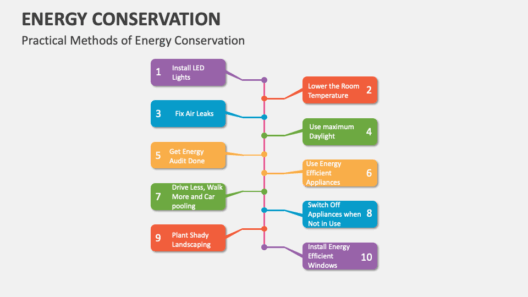
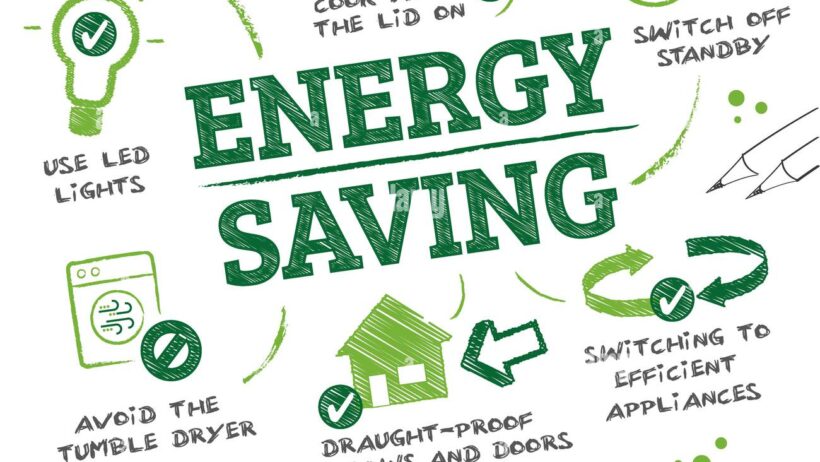
- Upgrade to Energy-Efficient Appliances: Modern appliances often carry energy efficiency ratings, typically labeled as ENERGY STAR. Choosing these models, despite their higher upfront cost, can result in long-term savings and diminished environmental harm.
- Proper Insulation and Sealing: Ensuring your home is well-insulated can dramatically decrease heating and cooling demands. Investing in quality insulation, sealing leaks around doors and windows, and utilizing weatherstripping can enhance comfort while curtailing energy waste.
- Smart Thermostats: Implementing a smart thermostat allows for precise control of home heating and cooling systems. Programming temperature settings based on daily schedules can result in significant energy reductions.
Utilizing Renewable Energy Sources
Transitioning to renewable energy can exponentially enhance energy conservation efforts. Solar panels, wind turbines, and geothermal systems provide sustainable alternatives to fossil fuels. While the initial setup may require considerable investment, the long-term environmental and financial benefits are undeniable. Exploring solar energy incentives and rebates can also alleviate costs associated with installation.
Mindful Energy Use in Daily Life
Energy conservation transcends major home improvements; it can be seamlessly integrated into daily routines. By cultivating mindfulness around energy consumption, individuals can take small yet impactful steps:
- Turning Off Unused Electronics: Devices left plugged in—often referred to as “phantom loads”—continue to draw power. Unplugging chargers and using power strips can minimize energy waste effectively.
- Maximizing Natural Light: Instead of relying solely on artificial lighting, take advantage of available daylight. Positioning mirrors strategically can amplify natural light within a room, reducing the need for electric lighting.
- Shorten Showers and Use Cold Water: Hot water heating is a significant energy consumer. By reducing shower time and washing clothes in cold water, individuals can decrease their overall energy footprint.
Advocating for Sustainable Transportation
Transportation is another major contributor to energy consumption and greenhouse gas emissions. Embracing sustainable transportation methods can yield considerable benefits for the environment:
- Public Transport and Carpooling: Utilizing public transportation systems or carpooling not only lessens individual carbon footprints but also alleviates traffic congestion and pollution.
- Biking and Walking: For shorter distances, consider biking or walking instead of driving. These alternatives not only conserve energy but also promote physical health.
- Electric and Hybrid Vehicles: For those who require a vehicle, investing in electric or hybrid options can be a sustainable choice. These vehicles utilize less fossil fuel and can significantly lower emissions.
Community Involvement and Education
Collective action amplifies the impact of individual efforts. Engaging in community initiatives fosters a culture of sustainability:
- Organize Energy Audits: Hosting community workshops to conduct energy audits can help residents identify areas where they can improve energy efficiency in their homes.
- Support Local Sustainability Programs: Many communities initiate programs aimed at reducing energy consumption, such as tree planting or renewable energy projects. Participating in these can create a sense of belonging and collective empowerment.
- Educate Others: Share knowledge about energy conservation and its importance. The more individuals recognize their role in fighting climate change, the more likely they are to adopt sustainable practices.
Conclusion: Making a Meaningful Difference
Conserving energy unequivocally aids in combating climate change and preserving our planet for future generations. Each small action contributes to a larger movement towards sustainability. By adopting the strategies outlined above, individuals and communities can foster a culture of conservation that transcends personal habits. The journey to an energy-efficient lifestyle begins with curiosity and a willingness to change—embrace it and witness the profound impact of your efforts on the environment.