
In the bustling urban landscapes of Singapore and the Philippines, where the relentless pace of progress often outstrips our environmental consciousness, the imperative to conserve energy at home takes center stage. As residents of these vibrant nations, how often do we ponder this question: Are we truly maximizing our potential to curtail energy consumption while enhancing our living conditions? This challenge isn’t just about saving on electricity bills; it’s a crucial step toward mitigating the broader impacts of climate change, both locally and globally.
To embark on this journey of energy conservation, it’s essential to incorporate localized strategies that align with the unique features of Singaporean and Filipino households. Surprisingly, many measures can be simple yet profoundly effective.
1. Embrace Energy-Efficient Appliances
One of the simplest yet most impactful ways to reduce energy consumption is by investing in energy-efficient appliances. Look for devices that have high energy efficiency ratings, such as those certified by Energy Star in the United States or similar local standards. In Singapore, the Energy Efficiency Label (EEL) provides consumers with reliable information on the energy efficiency of appliances. In the Philippines, the Department of Energy’s Energy Label helps guide purchasing decisions. Individuals can significantly lower electricity use by considering alternatives like LED bulbs, which consume substantially less power than traditional incandescent bulbs.
2. Optimize Air Conditioning Usage
Given the tropical climates of both countries, air conditioning systems are a common necessity. Nevertheless, improper use can lead to exorbitant energy bills. One effective strategy to mitigate this issue involves setting thermostats to a higher temperature, ideally between 24 and 26 degrees Celsius. Moreover, embracing natural ventilation by opening windows during cooler parts of the day can limit the need for artificial cooling. Regular maintenance of air conditioning units, such as cleaning or replacing filters, ensures optimal performance. Residents might also consider investing in programmable thermostats, which allow for more precise control over energy usage.
3. Utilize Solar Energy
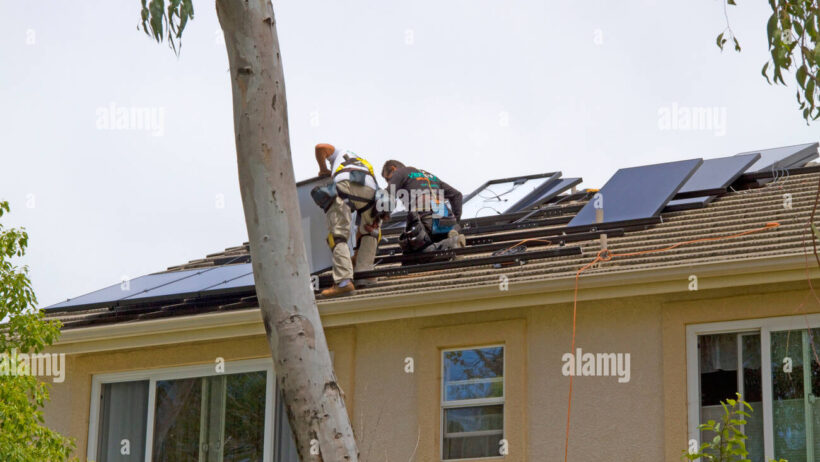
As small island nations, both Singapore and the Philippines are conducive to harnessing solar energy. The current government policies in the Philippines encourage the installation of solar panels, offering incentives to residents who integrate these systems into their homes. Similarly, Singapore has made substantial investments in photovoltaic technology. Homeowners can take advantage of these advancements not only to reduce dependency on the grid but also to produce excess energy for sale back to it. Given the tropical sun’s availability, maximizing solar energy can serve as a long-term investment in household energy independence.
4. Implement Smart Home Technology
Integrating smart home technology offers a modern solution to energy conservation challenges. Smart thermostats, smart lighting, and energy monitoring systems allow residents to track and optimize their energy usage in real-time. In Singapore, the Smart Nation Initiative propels the adoption of smart technologies. These instruments can significantly aid in managing energy consumption, responding intelligently to occupancy patterns, and minimizing waste. The ability to control home systems remotely from smartphones enhances convenience and energy levels when combined with other eco-friendly practices.
5. Practice Water Conservation
It’s imperative not to overlook water conservation as a critical component of energy savings. Energy is needed to heat water, so reducing hot water consumption directly lowers energy usage. Simple changes, such as taking shorter showers, fixing leaks, and using energy-efficient water heaters, can contribute to substantial savings. In both Singapore and the Philippines, promoting dual-flush toilets and low-flow faucets also enhances conservation efforts. Every drop counts, and these small actions can culminate in significant energy and water savings, fostering a sustainable lifestyle.
6. Create an Eco-Friendly Garden
Enhancing outdoor spaces by creating eco-friendly gardens can further conserve energy in unexpected ways. Planting trees and installing green roofs can provide natural cooling, lowering the need for artificial air conditioning in homes. Native plants and drought-resistant species are preferable, as they typically require less water and maintenance, contributing to a decrease in water usage. Additionally, urban gardens or vertical gardens offer an aesthetic appeal while improving the building’s insulation, creating synergistic benefits for energy conservation.
7. Engage the Community
No energy conservation strategy thrives in isolation. Engaging with community initiatives in Singapore and the Philippines, such as local workshops on energy efficiency or neighborhood challenges aimed at reducing consumption, can exponentially enhance individual efforts. Sharing knowledge, resources, and best practices fosters collective action and accountability. For example, community solar initiatives can provide shared solar installations for those unable to install systems on their properties, benefiting a broader group of individuals.
Conclusion
In conclusion, the question remains – are we ready to take on the challenge of conserving energy in our homes and our communities? By adopting these localized strategies, residents of Singapore and the Philippines can combat climate change effectively. The route to energy conservation is paved with proactive decisions and informed actions. It is a journey well worth embarking upon for the sake of the planet and future generations. The time is now – let us transform our homes into beacons of sustainable living.