



In the grand tapestry of urban landscapes, towering buildings stand as monolithic sentinels, often embodying both human ingenuity and excessive energy consumption. As climate change accelerates its relentless pace, it’s imperative to devise strategies that not only harness the energy of these colossal structures but also mitigate their voracious appetite for resources. Conserving energy within large buildings is akin to nurturing a fragile ecosystem: every decision reverberates through the delicate balance of our environment.
One of the principal strategies for energy conservation is the integration of passive design principles. Much like a well-designed habitat in nature, a building can be crafted to capture sunlight, retain heat, and utilize natural ventilation without relying solely on mechanical systems. Incorporating features such as south-facing windows can optimize solar gain, allowing sunlight to warm interiors during the colder months while strategically placed overhangs offer shade in the sweltering heat of summer. This dance between light and shadow can reduce reliance on artificial heating and cooling systems, resulting in significant energy savings.
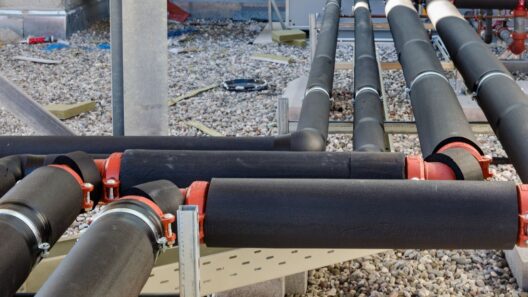
Moreover, the installation of high-performance insulation acts as the building’s protective shield, minimizing the flow of conditioned air between the interior and exterior environments. Just as an animal’s fur protects it from harsh climates, so too does insulation help maintain a stable indoor climate. The effectiveness of an insulation material is measured by its R-value, and opting for materials with higher R-values can dramatically decrease energy consumption. This expansion of thermal resistance ensures that buildings require less energy to keep their inhabitants comfortable.
The transition towards renewable energy sources presents another monumental opportunity in the quest for energy efficiency in large buildings. By installing solar panels or wind turbines, buildings can transform from passive consumers of energy to active producers. Imagine rooftops adorned with solar arrays, reminiscent of sunflowers turning to face the sun. This not only reduces the carbon footprint of these structures but also aligns with broader sustainability goals by reducing dependence on fossil fuels. The financial implications can also be significant, as generating one’s own energy can lead to substantial savings on utility bills over time.
Implementing smart building technologies is another powerful stride forward. This includes the use of Internet of Things (IoT) devices, which allow for real-time monitoring of energy consumption. Through sophisticated energy management systems, buildings can adjust lighting, heating, and cooling based on occupancy and usage patterns. It’s akin to having a personal energy coach, guiding large structures to perform better. Smart thermostats can learn from user behavior, continuously adapting to optimize energy use, ensuring that energy is not expended unnecessarily when spaces are unoccupied.
Employees, who are the lifeblood of any building, play a critical role in energy conservation. Engaging tenants through awareness programs fosters a culture of sustainability. Educational initiatives can illuminate the often-overlooked impact of small behavioral changes. Simple practices, like turning off lights in unoccupied rooms or utilizing natural light whenever possible, can snowball into substantial reductions in overall energy consumption. By understanding their role within the ecosystem of the building, occupants can become stewards of energy conservation.
The concept of green certifications also merits attention. Achieving certification from recognized bodies such as LEED (Leadership in Energy and Environmental Design) not only elevates a building’s status but also ensures rigorous standards of energy efficiency and sustainability are met. These accolades reflect a commitment to environmental stewardship, sending ripples of inspiration throughout the surrounding community. When buildings aspire to embody the principles of sustainability, they encourage others to follow suit, creating a collective momentum towards greater ecological responsibility.
Indoor air quality (IAQ) is another understated aspect of energy conservation. Innovations in ventilation systems can significantly enhance energy efficiency. Controlled ventilation ensures indoor spaces remain fresh and comfortable while minimizing energy loss. Indirect evaporative cooling and heat recovery systems exemplify technologies that offer dual benefits: preserving both energy and human health. By cultivating environments that are as nurturing to their inhabitants as they are to the planet, we can reclaim the lost symbiosis between nature and architecture.
In the long run, the vitality of our planet hinges on the choices we make today. The repercussions of inaction are too dire to ignore. As stewards of modernity, building owners and designers must embrace energy conservation as both a responsibility and an opportunity. In orchestrating the symphony of energy usage, each element must harmonize, creating a resonant impact on our environment. When large buildings adopt these energy conservation strategies, it signifies more than just reduced consumption; it represents a conscientious movement towards a sustainable future.
In summary, the fusion of passive design, high-performance insulation, renewable energy installations, smart technology, and occupant engagement creates a robust framework for conserving energy in large buildings. Each strategy is a thread woven into the larger fabric of sustainability, illustrating that through collective endeavor, we can mitigate the sprawling impact of climate change. As we stand at the crossroads of architectural innovation and environmental responsibility, the pathways we choose today will echo well beyond our lifetimes, shaping the legacy we leave for future generations.